
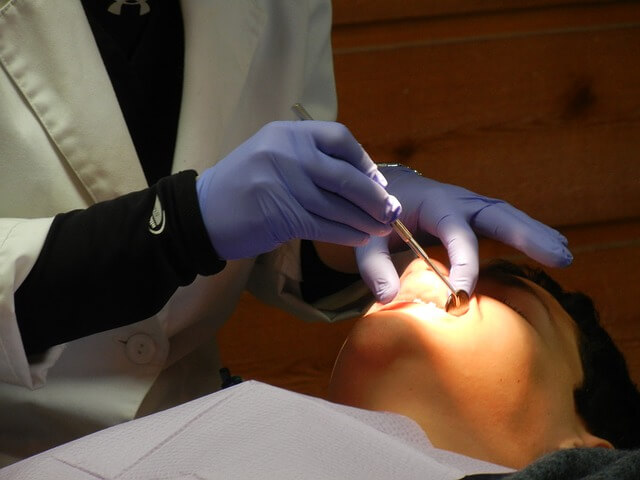
A Conversation with State Officials on Medicaid Adult Dental Coverage
Date: Friday, July 10, 2015
Time: 1:00-2:00PM EDT
Oral health is an important part of overall health, however, access to dental coverage for low-income adults remains a challenge, particularly since these benefits are optional for state Medicaid programs. In this webinar, state officials from Colorado, Iowa, and Washington—three states that have recently taken action on their adult dental benefits— share insights on important factors in the decision to add, reinstate, or introduce adult dental benefits; how adult dental benefits fits into the larger health reform discussion in each state; successes and challenges each state has faced since implementation; and future policy considerations. NASHP also provides an overview of a new brief that draws out lessons for state policymakers on these topics.
This webinar is supported by the DentaQuest Foundation.
Speakers:
- Bill Heller
Provider Relations and Dental Program Division Director
Colorado Department of Health Care Policy & Financing - MaryAnne Lindeblad
Medicaid Director
Washington State Health Care Authority - Dr. Bob Russell
Public Health Dental Director
Iowa Department of Public Health - Moderator:
Andrew Snyder, NASHP
Please contact Najeia Mention at nmention@oldsite.nashp.org for more details.




 For individuals living with complex, often chronic conditions, and their families, palliative care can provide relief from symptoms, improve satisfaction and outcomes, and help address critical mental and spiritual needs during difficult times. Now more than ever, there is growing recognition of the importance of palliative care services for individuals with serious illness, such as advance care planning, pain and symptom management, care coordination, and team-based, multi-disciplinary support. These services can help patients and families cope with the symptoms and stressors of disease, better anticipate and avoid crises, and reduce unnecessary and/or unwanted care. While this model is grounded in evidence that demonstrates improved quality of life, better outcomes, and reduced cost for patients, only a fraction of individuals who could benefit from palliative care receive it.
































































