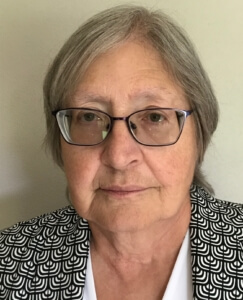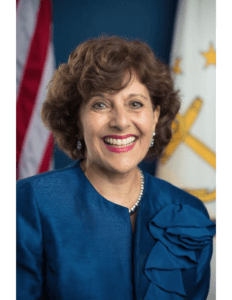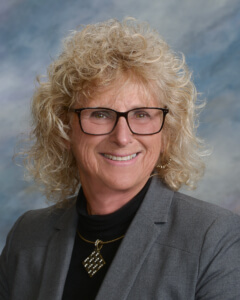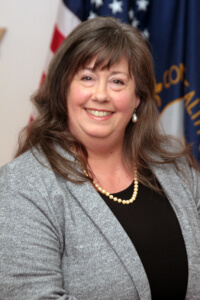
Board of Directors
Incorporated in 1987, the Center for Health Policy Development (CHPD) Board of Directors is responsible for the legal and fiduciary management and oversight of the organization, which includes the non-profit National Academy for State Health Policy (NASHP). NASHP is an independent academy of state health policymakers working together to identify emerging issues, develop policy solutions, and improve state health policy and practice. NASHP is led by and for state health policy officials including leaders from both the executive and legislative branches of state government.
Center for Health Policy Development – 2022 Board of Directors
Chair
Nicolette (Nikki) Highsmith Vernick, MPA
President and Chief Executive Officer
The Horizon Foundation
Vice Chair
Anne Barry, JD, MPH
Senior Faculty, School of Public Health
University of Minnesota
Treasurer
Janette Schwartz, CPA
Principal
Cordia Partners
Secretary
Marcia (Marci) Nielsen, PhD, MPH
PolicyPRN Consulting
Immediate Past Chair
Susan Reinhard, PhD, RN
Senior Vice President
AARP
Ex Officio
Jane Beyer, JD
Senior Health Policy Advisor
Washington State Office of the Insurance Commissioner
Members
John Morrison, Esq.
Senior Partner
Morrison, Sherwood, Wilson and Deola PLLP
Carolyn Magill
Chief Executive Officer
Aetion, Inc.
Shannon M. McMahon, MPA
Executive Director, Medicaid Policy | Government Relations
Kaiser Foundation Health Plan, Inc.
David Rousseau
Vice President and Executive Director of Health Policy Media and Technology and Publisher of Kaiser
Health News
Kaiser Family Foundation
Michelle Spencer, MS
Associate Chair, Inclusion, Diversity, Anti-Racism, and Equity
Department of Health Policy & Management, Johns Hopkins Bloomberg School of Public Health
President
Hemi Tewarson
President and Executive Director
National Academy for State Health Policy
President Emerita
Trish Riley
Former Executive Director
National Academy for State Health Policy
Staff Liaison
Ellen Jane Schneiter
Chief Operating Officer
Chief Financial Officer
Center for Health Policy Development
National Academy for State Health Policy
 For individuals living with complex, often chronic conditions, and their families, palliative care can provide relief from symptoms, improve satisfaction and outcomes, and help address critical mental and spiritual needs during difficult times. Now more than ever, there is growing recognition of the importance of palliative care services for individuals with serious illness, such as advance care planning, pain and symptom management, care coordination, and team-based, multi-disciplinary support. These services can help patients and families cope with the symptoms and stressors of disease, better anticipate and avoid crises, and reduce unnecessary and/or unwanted care. While this model is grounded in evidence that demonstrates improved quality of life, better outcomes, and reduced cost for patients, only a fraction of individuals who could benefit from palliative care receive it.