Executive Office
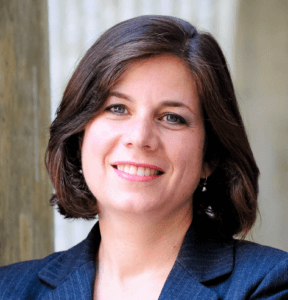
Hemi Tewarson
Executive Director
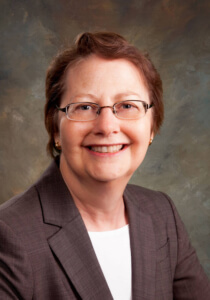
Elaine Chhean
Special Assistant to the Executive Director
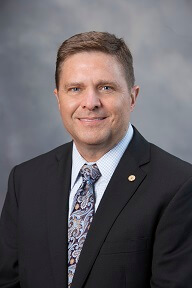
Hannah Tavares
Executive Assistant
Child and Family Health Team
Karen VanLandeghem
Senior Director
Heather Smith
Director
Robin Buskey
Senior Policy Associate
Allie Atkeson
Policy Associate
Emily Creveling
Policy Associate
Veronnica Thompson
Policy Associate
Zack Gould
Research Analyst II
Anoosha Hasan
Research Analyst II
Behavioral Health, Aging, and Disability
Neva Kaye
Policy Fellow
Wendy Fox-Grage
Senior Policy Fellow
Rebekah Falkner
Senior Policy Associate
Kimberly Hodges
Policy Associate
Miriam Pearsall
Policy Associate
Salom Teshale
Policy Associate
Sam Mermin
Research Analyst
Ella Taggart
Research Analyst
Coverage, Cost, and Value
Maureen Hensley-Quinn
Senior Director
Marilyn Bartlett
Senior Policy Fellow
Jennifer Reck
Director — Center for Drug Pricing
Drew Gattine
Senior Consultant
Anita Cardwell
Senior Policy Associate
Christina Cousart
Senior Policy Associate
Johanna Butler
Policy Associate
Adney Rakotoniaina
Policy Associate
Kris Vallecillo
Policy Associate
Gia Gould
Research Analyst II
Allison McDowell
Research Analyst
Population and Public Health Team
Sandra Wilkniss
Senior Director
Nicole Evans
Director — Equity and Population Health
Katie Greene
Director — Public Health
Michelle Fiscus
Senior Consultant
Shaza Stevenson
Senior Policy Associate
Elinor Higgins
Policy Associate
Josh Rohrer
Policy Associate
Megan D’Alessandro
Research Analyst
Ella Roth
Research Analyst II
Communications
Jennifer Laudano
Senior Director of Communications & Community Engagement
Ashlee Maxfield
Director of Conferences and Partnership Development
Emily Brostek
Digital Media Manager
 For individuals living with complex, often chronic conditions, and their families, palliative care can provide relief from symptoms, improve satisfaction and outcomes, and help address critical mental and spiritual needs during difficult times. Now more than ever, there is growing recognition of the importance of palliative care services for individuals with serious illness, such as advance care planning, pain and symptom management, care coordination, and team-based, multi-disciplinary support. These services can help patients and families cope with the symptoms and stressors of disease, better anticipate and avoid crises, and reduce unnecessary and/or unwanted care. While this model is grounded in evidence that demonstrates improved quality of life, better outcomes, and reduced cost for patients, only a fraction of individuals who could benefit from palliative care receive it.