
Building Medical Home Neighborhoods through Community-Based Teams: Lessons from Three States with Emerging Programs
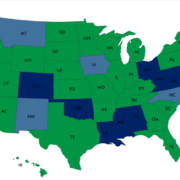
Community-based teams can help medical home providers offer primary care that is coordinated, whole-person oriented, and integrated with local community resources. Nine states are now making payments to community-based practice support teams, and others are exploring possibilities for launching teams in the near future. Webcast attendees will hear from program leaders in Alabama, Michigan, and Minnesota about why they are enhancing their medical home programs with community-based teams. The speakers will also discuss program financing and how teams can help link medical homes to medical neighborhoods, especially to care for complex Medicaid enrollees.
Speakers
Melinda K. Abrams, M.S., Vice President at The Commonwealth Fund
Jason Buxbaum is a Policy Analyst at the National Academy for State Health Policy (Download presentation)
Robert Moon, M.D., is Chief Medical Officer and Deputy Commissioner, Health Systems for the Alabama Medicaid agency (Download presentation)
Carol Callaghan, M.P.H., Director of the Division of Chronic Disease and Injury Control at the Michigan Department of Community Health (Download presentation)
Marie Maes-Voreis, R.N., M.A., is Director, Health Care Homes at the Minnesota Department of Health (MDH) and the Minnesota Department of Human Services (DHS) (Download presentation)
Jason Buxbaum is a Policy Analyst at the National Academy for State Health Policy (Download presentation)
Robert Moon, M.D., is Chief Medical Officer and Deputy Commissioner, Health Systems for the Alabama Medicaid agency (Download presentation)
Carol Callaghan, M.P.H., Director of the Division of Chronic Disease and Injury Control at the Michigan Department of Community Health (Download presentation)
Marie Maes-Voreis, R.N., M.A., is Director, Health Care Homes at the Minnesota Department of Health (MDH) and the Minnesota Department of Human Services (DHS) (Download presentation)
 For individuals living with complex, often chronic conditions, and their families, palliative care can provide relief from symptoms, improve satisfaction and outcomes, and help address critical mental and spiritual needs during difficult times. Now more than ever, there is growing recognition of the importance of palliative care services for individuals with serious illness, such as advance care planning, pain and symptom management, care coordination, and team-based, multi-disciplinary support. These services can help patients and families cope with the symptoms and stressors of disease, better anticipate and avoid crises, and reduce unnecessary and/or unwanted care. While this model is grounded in evidence that demonstrates improved quality of life, better outcomes, and reduced cost for patients, only a fraction of individuals who could benefit from palliative care receive it.
































































