Speakers

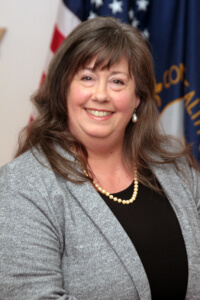
Patrick Allen
Director, Oregon Health Authority
Patrick Allen is the director of the Oregon Health Authority. OHA is the state’s umbrella health organization, committed to eliminating health inequity in Oregon by 2030. OHA is responsible for administration of the Oregon Health Plan, behavioral health programs including the Oregon State Hospital. OHA provides employee health insurance benefits to all state employees and most local school district employees across the state. OHA provides health insurance to about 40% of Oregonians. OHA is also responsible for administering the statewide public health system. In that role, Allen has helped lead the state’s response to the SARS-CoV-2 pandemic. Today, Oregon has the lowest COVID-19 case rate in the nation, and the 7th lowest fatality rate.
Sessions:
- Opening Plenary: What Is the Forecast for State Health Policy
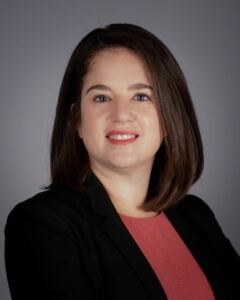
Jessica Altman
Executive Director, Covered California
Jessica Altman is the executive director of Covered California, overseeing the planning, development, administration, and evaluation of the exchange’s efforts to increase the number of insured Californians, improve health care quality, lower costs, and reduce health disparities through an innovative, competitive marketplace. Prior to her current role, Altman served as Pennsylvania’s insurance commissioner from August 2017 to February 2022. She also worked at the U.S. Department of Health and Human Services’ Center for Consumer Information and Insurance Oversight, where she developed policy and facilitated implementation of the Affordable Care Act. Altman grew up in the Bay Area. She has a master’s degree in Public Policy from the Harvard University John F. Kennedy School of Government and a Bachelor of Science in Policy Analysis and Management, with a concentration in Health Care Policy, from Cornell University.
Sessions:
- A Visit to the Seattle Gum Wall: States Making Federal Policy Stick

Ena Backus
Director of Health Care Reform, State of Vermont Agency of Human Services
Ena Backus, MPP, is the Director of Health Reform at the Agency of Human Services in Vermont. In this role she is responsible for coordinating health care reform initiatives within the Agency and between other agencies and departments in state government. Prior to this role, Ena was a staff person at the Green Mountain Care Board where she participated in designing and negotiating Vermont’s All-Payer ACO Model Agreement.
Sessions:
- Tuesday Morning Plenary: Economic Outlook and the Impact on the Health Care Workforce
Natasha Bagdasarian
Chief Medical Executive, State of Michigan
Dr. Natasha Bagdasarian has been the Chief Medical Executive for the State of Michigan since 2021. In this role she provides overall medical guidance for the State of Michigan as a cabinet member of the Governor. She is board certified by the American Board of Internal Medicine in Internal Medicine and Infectious Diseases and is a Fellow of the Infectious Diseases Society of America. She has worked in Michigan and internationally (Singapore, Bangladesh, for the World Health Organization), and has 50+ publications on topics in infectious diseases and public health. From 2020-2021 Dr. Bagdasarian served the State of Michigan as Senior Public Health Physician. Since 2020 she has served as a technical advisor for the World Health Organization (WHO), on outbreak preparedness and COVID-19. Dr. Bagdasarian completed medical school at Wayne State University; internal medicine residency and infectious diseases fellowship at the University of Michigan; and she received a Master’s in Public Health degree in hospital and molecular epidemiology, from the University of Michigan School of Public Health.
Sessions:
- After the Rain the Sun Will Appear: Applying Lessons from the COVID-19 Pandemic to the Future of Public Health

Sarah Bartelmann
Cost Growth Target Program Manager, Oregon Health Authority
Sarah Bartelmann manages Oregon’s cost growth target and health care market oversight programs at the Oregon Health Authority. She previously led Oregon’s Medicaid and hospital pay for performance measurement programs, and has worked as a policy and data strategy consultant with clients in Washington, Oregon and California. Sarah received her Masters in Public Health from Tulane University.
Sessions:
- How States Are Addressing Rising Health Care Costs: Understanding the Data and Policy Strategies

Suzanne Berman
Managing Partner, Plateau Pediatrics
Suzanne Berman is a general pediatrician in Crossville, Tennessee. She is currently the chair of the Section on Administration and Practice Management, the American Academy of Pediatric’s (AAP) special interest group for pediatricians who own and manage their own practices. She is also the chair of the Tennessee Pediatric Council, which provides a forum for discussion of payment issues between Medicaid MCOs and the Tennessee Chapter of the AAP. Dr. Berman frequently contributes to AAP projects and publications regarding medical home practice transformation, rural health, coding, data mining, and policymaking.
Sessions:
Moving the Needle on Preventive Care for Children

Jane Beyer
Senior Health Policy Advisor, Washington State Office of the Insurance Commissioner
Jane Beyer has served as Senior Health Policy Advisor to Washington State Insurance Commissioner Mike Kreidler since January 2017. She was legal counsel to the Washington State House of Representatives for twenty years, working on a broad range of health and human services issues. Jane served as Washington State’s Medicaid director from 1995 through 1998, and Washington State’s Behavioral Health Commissioner from 2012 through 2015. She began her career as a legal services attorney in Tacoma Washington, graduated with honors from the University of North Carolina School of Law and is admitted to the Washington State and District of Columbia bar. She serves as Chair of the Executive Committee at the National Academy for State Health Policy (NASHP).
Sessions:
- Closing Lunch Plenary: Inspiring the Next Generation of State Health Policymakers

Cara Biddlecom
Deputy Public Health Director, Oregon Health Authority
Cara Biddlecom, MPH is the Deputy Public Health Director for the Public Health Division. In her role, Cara supports the division’s legislative policy development, administrative rulemaking, partnerships with local and tribal public health authorities, and the implementation of division-wide initiatives, including health equity, public health modernization and the State Health Improvement Plan. Cara’s prior public health experience includes work in chronic disease prevention, health system transformation, adolescent health and HIV/STI prevention for injection drug users and individuals impacted by the carceral system. Cara holds a Master of Public Health degree from the University of North Carolina at Chapel Hill.
Sessions:
- After the Rain the Sun Will Appear: Applying Lessons from the COVID-19 Pandemic to the Future of Public Health
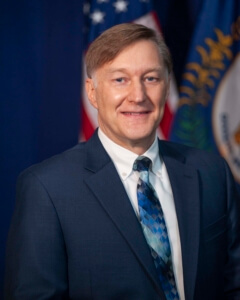
Allen Brenzel
Medical Director, CHFS, BHDID
Dr. Allen Brenzel is the Medical Director for the Kentucky Department for Behavioral Health, Developmental & Intellectual Disabilities (BHDID). He is an Associate Professor of Psychiatry and Pediatrics at the University of Kentucky (UK). During his 29 years in state government, he has developed broad health policy expertise including working to modernize Kentucky’s State Medicaid Plan to include a full continuum of behavioral health and substance abuse services. In partnership with other state agencies, Dr. Brenzel has worked on reducing prescription drug abuse, increasing access to Medications for Opioid Use Disorder (MOUD), addressing buprenorphine diversion, and broad harm reduction strategies. Currently he is serving at the Co-PI for the Kentucky’s Opioid SOR grants. In March of this year, Dr. Brenzel was honored to be appointed as a member of the National Academy for State Health Policy (NASHP) as a member of the Behavioral Health, Aging and Disability Steering Committee
Sessions:
- State Innovations Addressing the Substance Use Epidemic
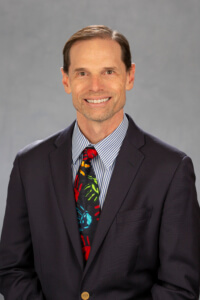
Jeff Brosco
Professor, University of Miami
Jeff Brosco teaches and practices both general pediatrics and developmental pediatrics at the University of Miami Miller School of Medicine (UMMSOM). He served as chief resident after training in pediatrics at the University of Miami/Jackson Memorial Hospital. As a researcher, Dr. Brosco analyzed the history of health care for children in early 20th century America, the historical epidemiology of intellectual disability, and the history of newborn screening in the US. At UMMSOM, he serves as Associate Director of the Mailman Center for Child Development, Director for Population Health Ethics, and Associate Chair of Pediatrics (Population Health). In addition to his practice and research, he has served on many state and national policy groups. A former Deputy Secretary of Health for Children’s Medical Services in Florida, he continues in the Department of Health as Florida’s Title V Director for Children and Youth with Special Health Care Needs Program.
Sessions:
- Improving Systems for Care for Children with Medical Complexity
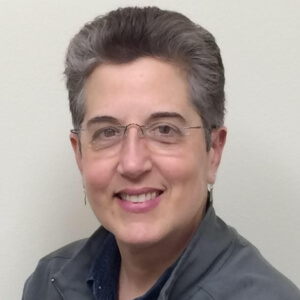
Becky Burns
Statewide Coordinator, CYSHCN
Becky Burns, is the Wisconsin Statewide Coordinator for the Children and Youth with Special Health Care Needs (CYSHCN) program and EBDM and Engagement Specialist for the National Workforce Development Center at the Waisman Center, UW-Madison. Becky’s career centers on supporting children and families whose lives have been affected by unanticipated journeys through the world of disability services. She treasures opportunities to work with these families and the professionals who support them. With a Master of Science in Social Work, she uses her education along with her personal experience of being raised with a sister who had a disability to influence her work with families. She has worked in one capacity or another for the state of WI for over 20 years.
Sessions:
- Improving Systems of Care for Children with Medical Complexity

Antonina Capurro
Deputy Administrator, Department of Health and Human Services, Division of Health Care Financing and Policy
Antonina Capurro, DMD, MPH, MBA, is the Deputy Administrator for the Nevada Division of Health Care Financing and Policy. In this role, Dr. Capurro oversees policy implementation, works collaboratively with stakeholders to improve the health of vulnerable citizens, and directs Medicaid’s medical programs. Dr. Capurro’s career highlights include serving as Nevada’s DHHS State Dental Health Officer and training the next generation of clinicians as a professor and program developer at the UNLV School of Dental Medicine. Dr. Capurro earned her Doctor of Dental Medicine, Master of Public Health with a concentration in health care administration and policy, and Master of Business Administration with a concentration in mass communication and public affairs from the University of Nevada, Las Vegas. Additionally, Dr. Capurro completed a Dental Public Health Residency Program at A.T. Still University and passed the written specialty examination toward dental public health diplomate status.
Sessions:
- Connecting the Streams of Population Health and Public Health

Stacey Carless
Executive Director, NC Counts Coalition
Stacey is the founding Executive Director of NC Counts Coalition. She began working with the Coalition in 2017 to lead the state in achieving a complete, fair and accurate 2020 Census count. As Executive Director of NC Counts Coalition, Stacey has testified before Congress advocating for extending the 2020 Census timeline during the COVID-19 pandemic to ensure that BIPOC communities were not missed. Following the 2020 Census , Stacey transitioned NC Counts’ cross-sector infrastructure to COVID-19 outreach to ensure vaccine equity in North Carolina’s BIPOC communities. Through her leadership and vision, NC Counts Coalition is co-developing and implementing Healthier Together, a public-private partnership launched alongside Governor Roy Cooper and Secretary Mandy Cohen to advance health equity, starting with vaccine equity in NC’s BIPOC communities. Stacey is also a licensed attorney and a member of the North Carolina State Bar.
Sessions:
- Lunch Plenary — Community Partnerships in State Policymaking
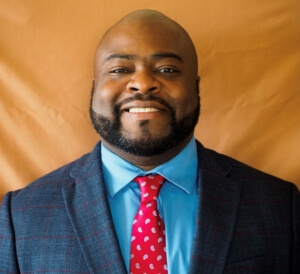
Jamye Chapman
Policy Initiatives Advisor — Executive, State of Wisconsin, Department of Health Services
Jamye Chapman is a justice, equity, diversity, and inclusion (JEDI) Policy Initiatives Executive who partners with healthcare and government entities to develop and implement organization specific strategic plans that provide them with the skills and confidence to shift institutionalized paradigms so that necessary change can happen in hypersensitive environments. After spending a decade plus working for state government in just about every public assistance program imaginable and growing up in a historically marginalized community, Jamye knows what is truly necessary to effectuate positive change, keep an organization psychologically safe, and marshal inclusive partnerships—and it’s not mastering the “equity” flavor of the week. It’s how well you connect with the heart-beating people that are administering services and those who are navigating systems built in such a way that creates disproportionate disparities.
Sessions:
- Diving into Workforce: Building a More Equitable Public Workforce

Nathan Chomilo
Medicaid Medical Director, Minnesota Department of Human Services
Dr. Nathan T. Chomilo is Medical Director for the State of Minnesota’s Medicaid & MinnesotaCare programs and practices as a General Pediatrician with Park Nicollet Health Services/HealthPartners. He also served as the State of Minnesota’s COVID-19 vaccine equity director and is currently a Senior Advisor on Equity to the Minnesota Commissioner of Health. He is an executive committee member of the American Academy of Pediatrics (AAP) Section on Minority Health Equity and Inclusion, an Adjunct Assistant Professor of Pediatrics at the University of Minnesota Medical School and is a co-founder of the organization Minnesota Doctors for Health Equity. His work has been recognized by the City of Minneapolis Department of Civil Rights, which recognized him as a 2019 History Maker at Home recipient, Minnesota Physician, which named him one of the 100 most influential health care leaders in 2020 and the Aspen Institute which selected him to be an Aspen Ascend Fellow in 2022.
Sessions:
- Changing Tides: Investing in Equity

Christine Comer
Client Services Director, Colorado Department of Health Care Policy and Financing
Christine Comer is a Division Director with the State of Colorado, Department of Health Care Policy and Financing (HCPF). HCPF administers the state’s Medicaid Program and supports more than 1.5 million members. Ms. Comer leads the operations and strategic direction of her division, which includes the member-facing contact center. The center serves as an initial point of contact for members seeking assistance in navigating the complex healthcare landscape.Ms. Comer has spent her 30+ years in service of others, working through local departments of Human Services before joining HCPF in 2012. Ms. Comer believes an individual’s economic status should not prevent one from being treated with dignity and respect. It is through that lens that she has led the center through a cultural transformation to improve the member experience.
Sessions:
- Diving into Workforce: Building a More Equitable Public Workforce
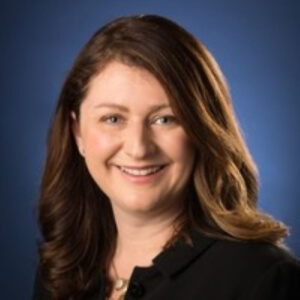
Mary Jo Condon
Director, Office of Value Based Health Care Delivery, Delaware Department of Insurance
Senior Consultant, Freedman HealthCare
Mary Jo Condon, MPPA, serves as Director of the Office of Value Based Health Care Delivery for the Delaware Department of Insurance. Since launching the Office in 2020, Ms. Condon and her team have proposed strategies to increase primary care investment, limit hospital price growth and expand meaningful adoption of alternative payment models. With those proposed strategies now in statute, the Office has turned its attention to enforcing them. The Office also collects data on non-claims payments and pharmacy rebates to create a detailed picture of commercial healthcare spending in Delaware. Ms. Condon is also a Senior Consultant at Freedman HealthCare (FHC), where she leads consulting engagements on complex, data driven health care policy projects requiring extensive stakeholder engagement, analytic methodologies and clear, concise presentation. Ms. Condon holds a Bachelor of Journalism from the University of Missouri-Columbia and a Master’s in Public Policy Administration.
Sessions:
- Reining in Rising Health Care Costs

Jacey Cooper
State Medicaid Director, California Department of Health Care Services
Jacey Cooper serves as State Medicaid Director and Chief Deputy Director for Health Care Programs at the California Department of Health Care Services (DHCS). Ms. Cooper is responsible for the overall leadership of Benefits, Eligibility, Delivery Systems, Financing, Behavioral Health, Quality, Population Health, and Legislative and Governmental Affairs. Prior to serving as State Medicaid Director, Jacey served in various roles at DHCS beginning in April 2016. Prior to her work at DHCS, Ms. Cooper was Vice President at Kern Medical Center, a public hospital and a health care consultant. Through that work, she gained more than 15 years’ experience in health care policy, operations, integrated delivery models, managed care, business development, and quality monitoring.
Sessions:
- Connecting the Streams of Population Health and Public Health
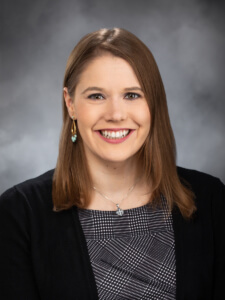
Lauren Davis
State Representative, Washington State House of Representatives
Lauren Davis represents the 32nd Legislative District in the Washington State House of Representatives. She was the founding Executive Director and is the current Strategy Director of the Washington Recovery Alliance. The WRA is a movement of individuals and families impacted by addiction and mental health challenges driving change in public policy and public understanding. Prior to serving in public office, Lauren led efforts to pass 2016’s Ricky’s Law, named after her best friend, which created a crisis treatment system for people with life-threatening addiction. Lauren graduated from Brown University, taught Head Start preschool, and researched education access as a Fulbright scholar. She helped launch Forefront, a suicide prevention nonprofit, where she directed school-based mental health programs. She taught mental health policy at the UW School of Social Work. In the legislature, Lauren’s work centers on behavioral health treatment and recovery and criminal legal system reform.
Sessions:
- It’s Not a Crime to Be Ill: Emerging Behavioral Health Strategies

Anthony Dekker
Chief Medical Officer, Division of Developmental Disabilities, Department of Economic Security, State of Arizona
Anthony Dekker, DO is the Chief Medical Officer for the Division of Developmental Disabilities of Arizona. Dr. Dekker is board certified in Family Practice and Osteopathic Manipulative Treatment, Adolescent and Young Adult Medicine, Addiction Medicine, and Pain Medicine. He is a Fellow in numerous professional societies. His areas of expertise include addiction medicine, high-risk children and youth, domestic violence, and behavioral health. Past faculty appointments include clinical professorships at George Washington University (Washington DC), and currently at the Burrell College of Osteopathic Medicine and Andrew Taylor Still University (Mesa, AZ). He was professor and chair of Family Medicine at Kansas City University 1994-1998. Born and raised in Western Michigan he graduated from Hope College in Holland Michigan. He completed his Osteopathic education at Michigan State University in 1978. He is dedicated to improving the life, health, safety and wellbeing of DDD members.
Sessions:
- Improving Systems of Care for Children with Medical Complexity
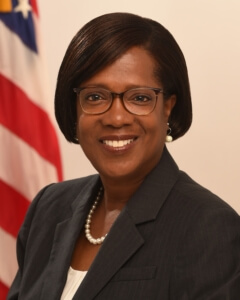
Miriam Delphin-Rittmon
Assistant Secretary for Mental Health and Substance Use and Administrator, SAMHSA
Dr. Miriam E. Delphin-Rittmon is currently Assistant Secretary for Mental Health and Substance Use in the U.S. Department of Health and Human Services and the Administrator of the Substance Abuse and Mental Health Services Administration. She previously served as Commissioner of the Connecticut Department of Mental Health and Addiction Services (DMHAS) and served in this role for six years. Prior positions held at DMHAS include Deputy Commissioner, Senior Policy Advisor and Director of the department’s Office of Multicultural Healthcare Equity. In her role as Commissioner, Dr. Delphin-Rittmon was committed to promoting recovery oriented, integrated, and culturally responsive services and systems that foster dignity, respect, and meaningful community inclusion. Prior to her current appointment, Dr. Delphin-Rittmon was an Adjunct Associate Professor at Yale University where she served on faculty for the past 20 years.
Sessions:
- Breakfast Plenary — Powerful Partnerships: Opportunities for Federal-State Collaboration

Chris DeMars
Director of the Delivery System Innovation Office
Chris DeMars, MPH, is the Director of the Delivery System Innovation Office, and was recently the Director of the Transformation Center, at the Oregon Health Authority (OHA), where she also plays a lead role in the agency’s value-based payment and social determinants of health work. Before joining OHA in 2013, Chris spent eight years as a senior program officer at the Northwest Health Foundation, where she managed the foundation’s health reform grantmaking portfolio. Chris also spent six years as a senior health policy analyst for the U.S. Government Accountability Office, where she authored numerous reports for Congress on Medicaid, Medicare and private health insurance payment policy; and worked at Kaiser Permanente Northwest and health-policy consulting firms, including Health Management Associates. Chris holds a Master of Public Health degree from the University of Michigan School of Public Health and a bachelor’s degree in English literature from the University of Michigan.
Sessions:
- Wiring for Maximizing Health: Collaborative Partnerships to Address Social Drivers of Health
- What’s Brewing? Revisioning Payment Models
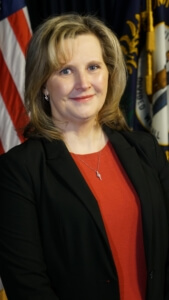
Lesa Dennis
Deputy Commissioner, Kentucky Department for Community Based Services
Lesa Dennis was appointed Deputy Commissioner of the KY Department for Community Based Services on Feb. 1, 2021, bringing more than 25 years of child welfare experience to the leadership role. She has served families and children during her tenure, through various roles including frontline intervention, implementation and planning of legislation and policies, in addition to organizational leadership. As Deputy Commissioner, she serves with department executive leadership, providing coordination of and direct support to the Commissioner on strategic and critical projects to achieve department mission, goals, and objectives. That work includes developing initiatives to increase efficiency and productivity to better support individuals served by the department, as well as to support employees through secondary trauma by building resilience. Dennis earned her MSW from the University of KY. She is the proud mother of two daughters and delighted grandmother of one grandson.
Sessions:
- Home Is Where the Child Is: Fostering Access to Prevention Services in Child Welfare
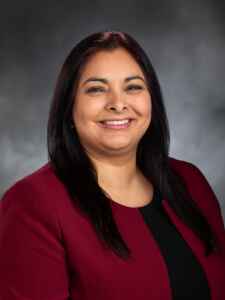
Manka Dhingra
State Senator, Washington State Senate
Manka Dhingra is Deputy Majority Leader of the Washington State Senate. She brings two decades of experience as a prosecutor and behavioral health expert to her roles as Chair of the Senate Law & Justice Committee and member of the Behavioral Health Subcommittee. She also serves on the Ways & Means Committee. In November 2017, Dhingra was elected to the Senate by the constituents of the 45th Legislative District, the first Sikh legislator in the nation. She continues to serve as a Senior Deputy Prosecuting Attorney with the King County Prosecuting Attorney’s Office. As Chair of the Therapeutic Alternative Unit, she helped develop and oversee the Regional Mental Health Court, the Veterans Court, and the Community Assessment and Referral for Diversion program. As a mental health and crisis intervention expert, she has also been an instructor at the Washington State Criminal Justice Training Commission for the 40-hour Crisis Intervention Training for law enforcement officers.
Sessions:
- It’s Not a Crime to Be Ill: Emerging Behavioral Health Strategies

Robert Dole
Deputy Associate Commissioner, HHSC
Deputy Associate Commissioner Robert Dole, System Integration, Intellectual Developmental Disabilities-Behavioral Health Services (IDD-BHS), is Licensed Clinical Social Worker and is a Board Approved Clinical Supervisor. He has over 20 years of clinical and administrative experience in community mental health. He leads the System Integration Team in IDD-BHS. Mr. Dole and the Team are the project leads on All Texas Access which is a statewide initiative directed by the 86th and 87th Texas Legislatures. All Texas Access requires rural-serving Local Mental Health Authorities and Local Behavioral Health Authorities develop regional plans to increase capacity for needed mental health services.
Sessions:
- The Last Frontier: Building Rural Crisis Systems
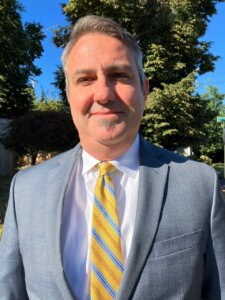
Oliver Droppers
Deputy Director Policy Research, Oregon Legislature
Dr. Droppers joined the Oregon Health Authority (OHA) in 2010 as the director for a five-year CMS CHIPRA Quality Demonstration project and staffed the Medicaid Advisory Committee, advising the operation of Oregon’s Medicaid program. While at OHA, Oliver served as a senior analyst on legislative task forces and work groups to expand coverage for children and adults. In 2017, Oliver transitioned to Legislative Policy and Research Office, which provides centralized, professional, and nonpartisan research to the Oregon Legislature. Oliver has staffed the House and Senate Health Care Committees and currently supports the COVID-19 Special Committee. In 2019, Oliver was appointed the Deputy Director for Policy Research in the Oregon Legislature. Dr. Droppers is an adjunct faculty member at the OHSU-PSU School of Public Health. When he’s not engaged in public policy, he enjoys time with his two children and partner and can be found exploring the Olympic National Park
Sessions:
- After the Rain the Sun Will Appear: Applying Lessons from the COVID-19 Pandemic to the Future of Public Health

Theresa Eagleson
Director, Department of Healthcare and Family Services
Theresa Eagleson has served as Director of the Department of Healthcare and Family Services (HFS) since 2019. Immediately prior to her appointment by Governor Pritzker, she was the Executive Director of the Office of Medicaid Innovation at the University of Illinois for a little over four years. Director Eagleson had previously been the longest serving Medicaid Director in the state’s history, from 2007-2014. She has served in policy and administrative positions in state government since 1990, with a concentration in human services and healthcare. Her career included Governor’s budget and policy teams under two previous administrations and fifteen years at HFS. Director Eagleson is a founding Board member of the National Association of Medicaid Directors and was elected by her peers to serve two terms. She was a member of the Edgar Fellows Class of 2014 and one of six Medicaid directors chosen nationally for the Medicaid Leadership Institute in 2011. She holds a BA in Economics and an MBA.
Sessions:
- We’ve Got You Covered: Affordable Coverage Strategies

Susan Engels
Office Chief, State Unit on Aging, DSHS/ALTSA/HCS
Susan has worked in the Aging Network since 1998 through an Area Agency on Aging (AAA) for 4 years and with the Washington State Aging & Long-Term Support Administration for the balance. She has been the Office Chief of the State Unit on Aging since 2011. Her unit focuses on supporting individuals to live lives as independently as possible in the settings of their choice with the supports they may need to do so. Many of these supports are provided through contracting with 13 AAAs for service delivery for people who are older or live with disabilities, including their family caregivers. She has lived experience as a family caregiver for her father and mother.
Sessions:
- Better Together: State Innovations in Family Caregiving and the Direct Care Workforce

Debra Farrington
Deputy Secretary/Chief Health Equity Officer, North Carolina Department of Health and Human Services
A native North Carolinian reared and educated in rural Columbus County, Debra learned the value of family, hard work and perseverance from her mother, who raised five children as a 28yo widow. She learned to work diligently, never give up on her dreams and always strive for better. Debra received BA & MSW degrees from the UNC/Chapel Hill. A licensed clinical social worker with 30+ years in community-based services for children and adults with behavioral health needs, she joined the NC Medicaid transformation design team and was later appointed chief of staff, providing support on overall program vision, leadership and strategic direction. As chief of staff, Debra prioritized equity in hiring, career advancement and health equity policies for individuals who are historically marginalized. As the newly appointed Deputy Secretary/Chief Health Equity Officer, she will focus on addressing health disparities and the health needs of North Carolina’s most vulnerable citizens.
Sessions:
- Tuesday Lunch Plenary: Community Partnerships in State Policymaking
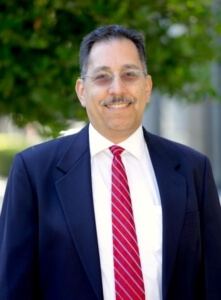
Richard Figueroa
Deputy Cabinet Secretary, State of California — Office of Governor Gavin Newsom
Richard Figueroa is a Deputy Cabinet Secretary in the Office of the Governor Gavin Newsom where he works on health, human services and veterans affairs issues. Richard was previously Director of Prevention for The California Endowment, a health care philanthropy. He has served in several previous administrations, including Deputy Cabinet Secretary for Governor Arnold Schwarzenegger and Deputy Legislative Secretary for Governor Gray Davis. Richard was also Legislative Director for Insurance Commissioner John Garamendi, served as a Legislative Consultant for the California State Senate Insurance and Budget and Fiscal Review Committees and worked in the Legislative Analyst Office.
Sessions:
- Reining in Rising Health Care Costs

Charissa Fotinos
Medicaid and Behavioral Health Medical Director, Washington State Health Care Authority
Dr. Charissa Fotinos serves as the Medicaid and Behavioral Health Medical Director for the Washington State Health Care Authority. She is actively involved in behavioral health integration efforts with a particular focus on improving the access to and care of persons with substance use and mental health disorders. She is a co-sponsor of the Washington State Opioid Response Plan. Prior to her current position, Dr. Fotinos was the Chief Medical Officer for Public Health Seattle-King County. Dr. Fotinos is board certified in Family and Addiction Medicine. Before joining Seattle-King County, she was a physician-faculty member at the Providence Family Medicine Residency in Seattle, Washington. She holds a Master of Science degree in evidence-based health care from Oxford University, Kellogg College, in England and is a Clinical Associate Professor at the University of Washington in the Department of Family Medicine.
Sessions:
- Tuesday Lunch Plenary: Community Partnerships in State Policymaking

Erin Fuse Brown
Catherine C. Henson Professor; Director, Center for Law, Health & Society, Georgia State University College of Law
Erin C. Fuse Brown, J.D., M.P.H., is the Catherine C. Henson Professor and Director of the Center for Law, Health & Society at Georgia State University College of Law. She specializes in health law and policy, and her research focuses on health care markets, consolidation, and cost-control. Fuse Brown has published articles in leading legal and medical journals about hospital prices, medical billing and collection, health care competition and consolidation, consumer financial protection in health care, and state health reforms. She has consulted with NASHP on legal analysis and state strategies to control health care costs, address health care consolidation, and rising drug prices. She received a JD from Georgetown, an MPH from Johns Hopkins, and a BA from Dartmouth College.
Sessions:
- How States Are Addressing Rising Health Care Costs: Understanding the Data and Policy Strategies

Tad Gary
Deputy Chief Executive Officer, Mercy Care
Tad Gary is the Deputy CEO of Mercy Care, an Arizona-based managed care organization serving more than 475,000 Medicaid and Medicare members under six governmental contracts. These include AHCCCS Complete Care, Arizona Long Term Care System (ALTCS), Regional Behavioral Health Authority for Maricopa County, Developmentally Disabled, Department of Child Safety Comprehensive Health Plan (DCS CHP), and Medicare Dual SNP contracts. As Deputy CEO, Tad is responsible for all health plan activities for all product lines. He also supports all Mercy Care business development and implementation efforts throughout Arizona. Tad has held multiple leadership roles during his more than 20-year career in health care and social services. Tad is member of the Greater Phoenix Chamber Board and the Maricopa County Continuum of Care Board, which is the county-wide entity that allocates housing funds. He was also appointed to the State of Arizona Opioid Review Council and to the Phoenix Police Review.
Sessions:
- It’s Not a Crime to Be Ill: Emerging Behavioral Health Strategies

Cindy Gillespie
Secretary, Arkansas Department of Human Services
Cindy Gillespie was appointed Secretary of the Arkansas Department of Human Services by Governor Asa Hutchinson in March of 2016. She oversees Medicaid, child welfare, juvenile justice and other programs that support the well-being of the state’s most vulnerable populations. Her previous career includes serving as a principal at the multinational law firm Dentons where she led the Health Policy and Health Insurance Exchange Teams, as an advisor to Massachusetts Governor Mitt Romney on health policy and federal programs, and as senior management for both the Salt Lake and Atlanta Olympic Games.
Sessions:
- Opening Plenary: What Is the Forecast for State Health Policy?
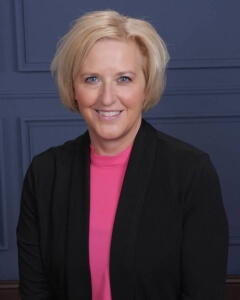
Krissie Guerard
Health Equity Director, North Dakota Department of Health
Krissie Guerard is the Health Equity Director for the North Dakota Department of Health. Krissie is a graduate of Minnesota State University – Moorhead with a Bachelor of Science Degree in Community Health Education and Minnesota State University – Mankato with a Master of Science Degree in Health Science with an emphasis in community health. Krissie began her public health career with the North Dakota Department of Health, Division of Disease Control, in August 2006 as the Ryan White/HIV Surveillance Coordinator. She then took over as the HIV/STD/TB/Hepatitis Program Manager in May 2007. Krissie worked in that role through February 2013. In March 2013, Krissie took over as the STD/HIV/TB Section Manager at the Minnesota Department of Health. In August of 2018, she came back to the North Dakota Department of Health as the Health Equity Director.
Sessions:
- Changing Tides: Investing in Equity

Kate Harris
Chief Deputy Commissioner, Life & Health Policy, Colorado Division of Insurance
Kate Harris has spent her career working at the intersection of public health and public policy, primarily on the implementation of the Affordable Care Act in Washington State and Colorado. In 2019 she joined the Colorado Division of Insurance as the Chief Deputy Commissioner for Life & Health Policy, where she oversees much of the Division’s work increasing consumer protections and Coloradans’ access to affordable, high-quality health coverage and care. Prior to this, Kate was the Policy and External Affairs Director at Connect for Health Colorado, the state’s health insurance marketplace. Kate holds a Masters in Public Administration from the University of Washington’s Evans School of Public Policy and Governance with a graduate certificate from the University of Washington’s School of Public Health.
Sessions:
- Reining in Rising Health Care Costs
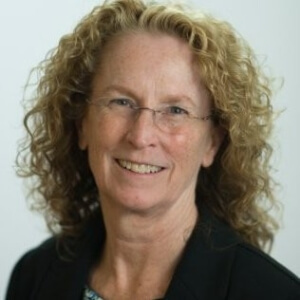
Jennie Harvell
Senior Advisor, Washington Health Care Authority
Jennie Harvell works at the Health Care Authority (HCA), the Washington State Medicaid Agency, as a Senior Advisor in Health Information Technology. Jennie works with leaders and staff across HCA, other state agencies, and the private sector to advance health IT and information exchange including in the State’s Medicaid 1115 and mental health and SUD IMD Waivers, managed care contracts, and behavioral health programs. She leads and collaborates with others in the development of a legislatively mandated technical plan to enhance and expand the State’s crisis call and response system. Jennie joined HCA in 2017 after working in the U.S. Department of Health and Human Services in the Office of the Assistant Secretary for Planning and Evaluation and the Centers for Medicare & Medicaid Services, and on detail to the Office of the National Coordinator for Health Information Technology supporting policy development, research, and use of technology in long-term care and other sectors
Sessions:
- Wiring for Maximizing Health: Collaborative Partnerships to Address Social Drivers of Health
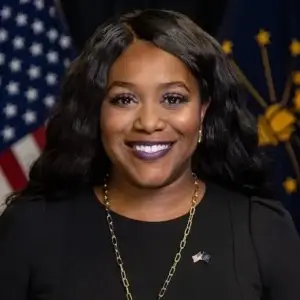
Karrah Herring
Chief Equity, Inclusion & Opportunity Officer, State of Indiana
Karrah (Miller) Herring has served as Indiana’s first-ever chief equity, inclusion, and opportunity officer since November 2020. In this role, she works with Governor Eric Holcomb and his team to improve state government operations as well as remove hurdles in the government workplace and services the state provides. Prior to this role, she worked for the University of Notre Dame for nearly a decade and served as the director of public affairs in the Office of Public Affairs and Communications. She previously served on the University of Notre Dame’s Office of Human Resources senior executive leadership team as the director of the Office of Institutional Equity and University Title IX coordinator. She is also a member of the Center for Digital Government’s Digital Equity Advisory Committee and the NASHP Population and Public Health Steering Committee, is a board member for Sunz Insurance and Sunz Holdings LLC, and is assistant pastor of her family’s church. In 2020, she authored a book on the intersection of race and gender and the complexities of how Black women navigate corporate culture, religion, higher education, and athletics. She and her husband, Ray, have three children: Bryce, Brianna, and Ja’Mari.
Sessions:
- Changing Tides: Investing in Equity
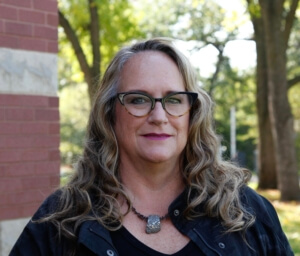
Amy Hewitt
Director/Professor, University of Minnesota, Institute on Community Integration
Amy Hewitt, PhD has an extensive background in the field of intellectual and developmental disabilities. She has worked in various positions over the past 39 years to improve community inclusion and quality of life for children and adults with disabilities and their families. Her career began as a Direct Support Professional and she currently employs DSPs to support her brother-in-law. She is the Director of the University of Minnesota’s Institute on Community Integration and conducts research, evaluation, and demonstration projects about community services for children, youth and adults with IDD and the direct support workforce. She has authored numerous journal articles, curriculum, technical reports, including a book entitled, Staff Recruitment, Retention and Training. Dr. Hewitt is a Past President of the Association of University Centers on Disabilities and American Association on Intellectual and Developmental Disabilities.
Sessions:
- Better Together: State Innovations in Family Caregiving and the Direct Care Workforce
- Paying It Forward: Investing in the LTSS Workforce

Kaha Hizanishvili
Chief of the Office of Provider and Pharmacy Programs, MassHealth
Kaha Hizanishvili is the Chief of the Office of Provider and Pharmacy Programs for MassHealth, the Commonwealth’s Medicaid and CHIP program. He oversees teams responsible for managing pharmacy services, managing fee for service provider networks, and administering the Commonwealth’s Health Safety Net program. As part of his responsibilities, Kaha leads strategic initiatives related to spending and revenues (rebates) for MassHealth’s Pharmacy Program, which last year spent approximately $2.4 billion on drugs on behalf of MassHealth’s nearly 2 million members. He was previously MassHealth’s Director of Strategy, and prior to working for the Commonwealth Kaha worked in private equity and management consulting in the U.S. and overseas. Kaha received his MBA from the Kellogg School, Northwestern University and his Master’s in International Affairs from Fletcher School, Tufts University.
Sessions:
- How States Are Addressing Rising Health Care Costs: Understanding the Data and Policy Strategies
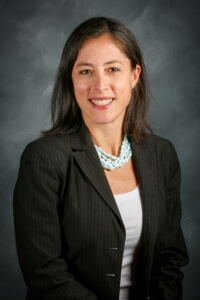
Danielle Holahan
Executive Director, NY State of Health
Danielle Holahan is Executive Director of the New York State of Health, New York’s Health Plan Marketplace. Ms. Holahan joined the Marketplace team inApril 2011 during its early planning stages. She plays a lead role in the development and operation of the Marketplace, providing direction for the Marketplace’s research and analysis, development of policy options and recommendations, management of the U.S. Department of Health and Human Services’ Exchange certification process, and management of federal Marketplace grants. From 1999 to 2011, Ms. Holahan worked at the United Hospital Fund of New York, where she was Co-Director of the Fund’s Health Insurance Project. From 1994 to 1997, Ms. Holahan worked at AARP’s Public Policy Institute in Washington, D.C. where her work focused on analysis of state and federal legislation pertaining to the Medicaid program. Ms. Holahan holds a Bachelor of Arts from Franklin & Marshall College and a Master of Public Health from Columbia University.
Sessions:
- We’ve Got You Covered: Affordable Coverage Strategies
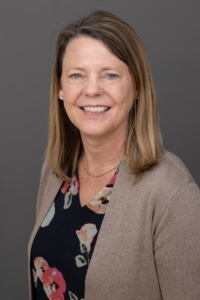
Leah Hole-Marshall
General Counsel and Chief Strategist, Washington Health Benefit Exchange
Leah Hole-Marshall is the General Counsel and Chief Strategist for the Washington Health Benefit Exchange. In this role, she coordinates compliance, security and privacy offices, provides advice to the leadership team and board, and leads strategic planning efforts.Previously, Leah served in health policy leadership roles at the Washington State Department of Labor and Industries and Health Care Authority. At L&I, she oversaw the office responsible for creating, implementing, disseminating, and enforcing medical policy to ensure high quality health care for injured workers in Washington State. At HCA, she was the founding director of Washington’s Health Technology Assessment program, a nationally recognized effort to purchase high-quality health care that is proven safe, effective, and cost-effective. She has also provided regulatory consulting and project management to state Medicaid agencies and the federal Department of Health and Human Services.
Sessions:
- How States Are Addressing Rising Health Care Costs: Understanding the Data and Policy Strategies
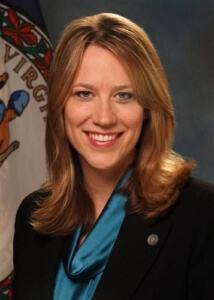
Janet Kelly
Special Advisor, Office of the Governor
The Honorable Janet Kelly has 25 years of political and public service experience, including setting a record for the youngest female to win a statewide campaign in VA and serving as a member of the Governor’s Cabinet from 2010-2014. She has been married for 10 years and has 3 children, one of whom came to her through fictive kin adoption in 2012. Her personal story forged her path out of politics and into child welfare, starting with a Governor’s office initiative called Virginia Adopts in 2013. This effort matched 1041 kids with adoptive families in one year. She then spent 8 years in the non-profit world, co-founding America’s Kids Belong and its Virginia affiliate. She serves as a Special Advisor to Governor Glenn Youngkin who made children’s mental health and solving the challenge of displaced children in foster care priorities of his Administration. She recently led his Safe and Sound Task Force, which resulted in a 68% decrease in kids sleeping in offices, hotels and ERs.
Sessions:
- Home Is Where the Child Is: Fostering Access to Prevention Services in Child Welfare
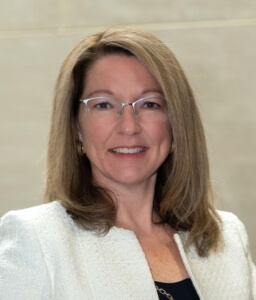
Caprice Knapp
Medicaid Director, North Dakota Department of Human Services
In August 2019, Caprice Knapp became the North Dakota Medicaid Director. She brings to the position more than 17 years’ experience working on Medicaid and CHIP in the private sector, state and federal policymaking, and academics. Knapp’s career has been focused on vulnerable populations, delivery system reform, and global health. Examples of her funded research topics include an assessment of Florida’s Children’s Health Insurance Program Reauthorization Grant; an evaluation of fertility-preservation decision making for adolescent girls with cancer; outcomes of concurrent models of pediatric palliative care; and an assessment of the quality, patient experiences, and costs of health and dental plans for children in Florida. Her global health projects also focus on maternal and child health and have been conducted in Africa, Asia, Europe, and South America. At the University of Florida, Knapp earned a PhD in economics and completed postdoctoral training in health services research.
Sessions:
- Diving into Workforce: Building a More Equitable Workforce
Dawn Lambert
Co-Leader Community Options, Connecticut Department of Social Services, Division of Health Services
Dawn Lambert co-leads the Community Options Unit within Connecticut’s Department of Social Services. Within that role, her focus is on person-centered strategy and innovation. With over 25 years of experience in long-term services and supports, she currently serves as an appointed member of the National Academy for State Health Policy, an advisor to the AARP’s Long-Term Services and Support Scorecard.
Sessions:
- Paying It Forward: Investing in the LTSS Workforce
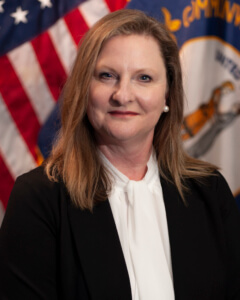
Lisa Lee
Commissioner, Kentucky Department for Medicaid Services
Ms. Lisa Lee has over 20 years of experience with Medicaid programs. Much of her career was spent in Kentucky State government with the Kentucky Cabinet for Health and Family Services. While at the Cabinet, Ms. Lee served in a variety of roles within the Department for Medicaid Services, including Member Services Representative, Director of Provider Services, Policy Analyst, Deputy Commissioner, and Commissioner. In addition, Ms. Lee served as the Program Director for the Kentucky Children’s Health Insurance Program (KCHIP) for approximately 14 years. During her tenure as KCHIP Director, she led a successful outreach campaign that resulted in coverage of an additional 60,000 eligible children within Medicaid and KCHIP. In addition, Ms. Lee was instrumental in expanding Medicaid Services to childless adults in Kentucky as well as assisting with the creation of Kentucky’s successful state-based exchange, kynect. Ms. Lee retired from state government in 2016 and worked as a health care consultant for three years before returning as the Commissioner for the Department for Medicaid Services.
Sessions:
- The Long Unwinding Road: End of the Public Health Emergency
- Home Is Where the Child Is: Fostering Access to Prevention Services in Child Welfare

Sonya Jaquez Lewis
Senator, Colorado State Senate
Senator Jaquez Lewis was the first Pharmacy Director and first Latina Health Administrator with Colorado Medicaid, called Colorado Access. She is an adjunct Professor at the University of Colorado School of Pharmacy and guest lecturer at the Denver School of Nursing. Sonya is Boulder County’s first Latina and first LGBTQ elected to the General Assembly and in 2019. In 2019 NCSL named her a National Henry Toll fellow and Top New Legislator. Senator Jaquez Lewis sponsored and passed the nation’s first PDAB, Prescription Drug Affordability Board law that includes an Upper Payment limit. The Board is already hard at work to establish affordability standards and payment limits for high-cost prescription drugs in Colorado. Sonya also sponsored historic Importation of Prescription Drugs laws, 2 insulin accessibility bills including a mandatory coverage bill and a Colorado Public Option and Reduction of surprise billing fees legislation.
Sessions:
- How States Are Addressing Rising Health Care Costs: Understanding the Data and Policy Strategies
Vicki Lowe
Executive Director, American Indian Health Commission for Washington State
Vicki Lowe is a descendant of both the Jamestown S’Klallam Tribe and Bella Coola First Nations in Canada. Ms. Lowe has worked in Indian Health Services beginning 1996 in the Health Program for the Jamestown Tribe. This work built a foundation of understanding for how the Indian Health System interacts with the health delivery system in our Washington State. In July of 2015, Ms. Lowe officially became the Executive Director of the American Indian Health Commission for Washington State (AIHC). AIHC works on behalf of the Tribes and Urban Indian Health Programs in Washington state to provide a forum to address Tribal/State health issuers and helping to decrease health disparities of the American Indians and Alaska Natives living in Washington State. She has utilized her vast knowledge of the Indian Health system to implement statewide strategies supporting Tribal health programs.
Sessions:
- Lunch Plenary — Community Partnerships in State Policymaking

Jay Ludlam
Assistant Secretary for Medicaid, DHHS Division of Health Benefits
Jay Ludlam joined the NC Department of Health and Human Services’ Medicaid program in August 2017. Mr. Ludlam lead the statewide NC DHHS Medicaid Transformation project and launched the biggest change in NC Medicaid’s history. North Carolina’s Transformation project is recognized for its innovation and commitment to whole-person care, including addressing unmet resource needs. He is an attorney and executive with extensive experience in Medicaid, managed care, health care delivery reform, and quality and care management innovations. Before joining the Department, he served as an Assistant Attorney General for Missouri in its Medicaid Fraud Control Unit and as Missouri’s acting state Medicaid Director.
Sessions:
- What’s Brewing? Revisioning Payment Models
- Wiring for Maximizing Health: Collaborative Partnerships to Address Social Drivers of Health

Ralph Magrish
Executive Director, Oregon Prescription Drug Pricing Affordability Board & Drug Pricing Transparency Program, State of Oregon
Ralph Magrish is the Executive Director of Oregon’s Prescription Drug Affordability Board and Director of the Drug Pricing Transparency program. Ralph has more than 15 years of experience in government sponsored healthcare programs including prescription drug policy and reimbursement strategy development. As manager of Oregon’s Medicaid pharmacy program, he implemented the preferred drug list and brought the state into a multistate drug purchasing pool to collect supplemental rebates. Ralph led the implementation of Average Acquisition Cost (AAC) reimbursement for Oregon Medicaid, a precursor to the National Drug Acquisition Cost (NADAC) pricing benchmark. Ralph was a consultant for Mercer Government Consulting, where he led pharmacy policy analysis for the firm’s national pharmacy practice and helped states develop targeted and effective reimbursement strategies to help contain drug costs. Ralph has an MPA from the Arizona State University and a BSW from the University of Cincinnati.
Sessions:
- How States Are Addressing Rising Health Care Costs: Understanding the Data and Policy Strategies

Nancy Maier
Director, North Dakota Department of Human Services, Adult and Aging Services Division
Nancy Nikolas Maier is the director of the North Dakota Department of Human Services’ Adult and Aging Services Division. Nancy has a passion for working with adults with physical disabilities and advocating for the needs of family caregivers. She has worked in the Aging and Home and Community-Based Services field for the past 28 years. She has a master’s degree in public and human service administration from Minnesota State University – Moorhead and a bachelor’s degree in psychology with a minor in gerontology. Nancy has worked as a direct service provider of Older Americans Act (OAA) services and uses her lived experience as a family caregiver to inform the way services and programs for older adults and adults with disability are administered.
Sessions:
- Better Together: State Innovations in Family Caregiving and the Direct Care Workforce

Kevin Martone
Executive Director, Technical Assistance Collaborative, Inc.
Kevin Martone is Executive Director at TAC and president for the National Association for Rural Mental Health. With nearly 30 years of leadership at the national, state, and provider level, he is nationally recognized for his expertise in behavioral health policy, system financing and design, community integration, homelessness, and housing for persons with disabilities. He is regularly engaged as a subject matter expert on Olmstead planning, implementation, and litigation matters. Before TAC, Kevin was the mental health commissioner in New Jersey where he led transformation of the public behavioral health system to advance recovery, expand peer-delivered services, and improve access to community-based programs, and was president of the National Association of State Mental Health Program Directors. He spent several years in community services as CEO of a supportive housing agency and as a direct service provider, and has taught courses on mental health at Tufts and Rutgers.
Sessions:
- The Last Frontier: Building Rural Crisis Systems
Jason McGill
Assistant Director, Medicaid Programs Division, Washington State Health Care Authority
Jason serves the state through public leadership for Washington’s Medicaid programs operations, including joint stewardship of the program key elements such as Medicaid managed care oversight. Working across divisions, he is leading managed care strategic planning and establishing performance metrics along with other major tasks of managing this large program. He previously served two Governors for Washington state as senior health policy advisor. He led the Governor’s health and related strategic vision, goals, and policy initiatives. His service has spanned critical times during the deep recession to implementing the Affordable Care Act that resulted in expanded Medicaid and exchange health coverage to over 800,000 people in Washington. He has a deep interest in evidence-based medicine and population health and health systems improvement. He is a lifelong Washingtonian and earned both a business and law degree, with a focus in health law, and later earned an executive management certificate.
Sessions:
- See Me, Hear Me: Next Generation Person-Centered Care
Lisa McGuire
Lead, Alzheimer’s Disease, Centers for Disease Control and Prevention (CDC)
Dr. Lisa McGuire is the Lead for CDC’s Alzheimer’s Disease and Healthy Aging Program with more than 100 articles and book chapters on aspects of cognition, caregiving, and aging. Dr. McGuire is a member of the National Alzheimer’s Project Act Federal Advisory Council, Editorial Board of The Gerontologist, co-lead for Healthy People 2020/2030 Older Adults and Dementia Including Alzheimer’s and holds Fellow Status in the American Psychological Association and the Gerontological Society of America. As a caregiver for her mother with mixed dementia, Dr. McGuire is professionally and personally passionate about issues related to dementia and caregiving.
Sessions:
- Better Together: State Innovations in Family Caregiving and The Direct Care Workforce
Michelle Mello
Professor of Law and Health Policy, Stanford University
Michelle Mello is Professor of Law at Stanford Law School and Professor of Health Policy at Stanford University School of Medicine. She conducts empirical research into issues at the intersection of law, ethics, and health policy. She is the author of more than 200 articles on medical liability, public health law, pharmaceuticals and vaccines, biomedical research ethics and governance, health information privacy, and other topics. Dr. Mello was elected to the National Academy of Medicine at the age of 40. From 2000 to 2014, she was a professor at the Harvard School of Public Health, where she directed the School’s Program in Law and Public Health. Dr. Mello teaches courses in torts and public health law. She holds a JD from the Yale Law School, a PhD in Health Policy and Administration from the University of North Carolina at Chapel Hill, an MPhil from Oxford University, where she was a Marshall Scholar, and a BA from Stanford University.
Sessions:
- How States Are Addressing Rising Health Care Costs: Understanding the Data and Policy Strategies

Elizabeth Mitchell
President and CEO, Purchaser Business Group on Health
Elizabeth Mitchell is President and CEO of the Purchaser Business Group on Health (PBGH), a 501c (3) non-profit organization representing 40 of the largest public and private purchasers of health care services in the country who collectively spend $100 billion on health care annually for 15 million employees and their families. As leader of PBGH, Mitchell advances the organization’s strategic focus areas of redesigning care delivery, driving affordability and optimizing health care markets, leveraging her extensive experience working with health care purchasers, providers, policymakers and payers to improve health care quality and cost.
Sessions:
- How States Are Addressing Rising Health Care Costs: Understanding the Data and Policy Strategies

Judy Mohr Peterson
Hawaii State Medicaid Director, Med-QUEST, DHS, Hawaii
Judy Mohr Peterson serves as the Medicaid Director for Hawaii. She is a nationally recognized leader in health care delivery system reform and Medicaid policy. She served as president of the board of the National Association of Medicaid Directors from 2017-2019. She began her career with Oregon’s Medicaid program in 1997 and served as Oregon’s Medicaid Director from 2009 to 2015. In that role she was one of the architects of Oregon’s successful health system transformation and coverage expansion. Before working for the Oregon Medicaid program, Dr. Mohr Peterson received her doctoral degree in Sociocultural Anthropology from the University of Texas at Austin.
Sessions:
- See Me, Hear Me: Next Generation Person-Centered Care
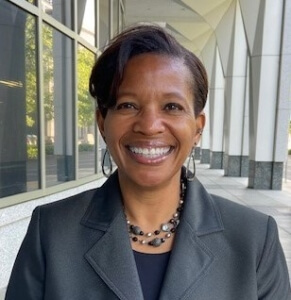
René Mollow
Deputy Director, California Department of Health Care Services
René has been with the California Department of Health Care Services (DHCS) since 1995. In the Medi-Cal program, she serves as the Deputy Director for Health Care Benefits and Eligibility (HCBE). She provides leadership for benefit and eligibility policy planning, development, implementation, and evaluation of health care services and delivery systems under Medi-Cal and for the Children’s Health Insurance Program (CHIP). HCBE is comprised of four divisions and two offices: Benefits, Eligibility, Pharmacy Benefits, Dental; and the Office of Family Planning and the Office of Tribal Affairs. Rene has played a major role in policy planning, development, and implementation on matters pertaining to health care coverage maintenance and expansions for children and adult populations, as well as benefit management for the Medi-Cal program.
Sessions:
- The Long Unwinding Road: End of the Public Health Emergency
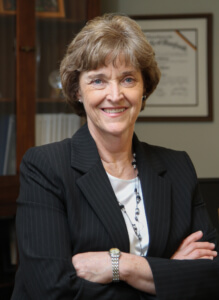
Judy Monroe
President and CEO, CDC Foundation
Dr. Judith Monroe is president and CEO of the CDC Foundation. In her work at the CDC Foundation, she advances priority programs that improve the health of people across America and around the world. Prior to this role, Dr. Monroe served as a deputy director of the U.S. Centers for Disease Control and Prevention (CDC) and director of CDC’s Office of State, Tribal, Local and Territorial Support. During her tenure as the state health commissioner for Indiana she served as president of the Association of State and Territorial Health Officials. She currently serves on the board of directors for the Center for Global Health Innovation, was appointed by Gov. Holcomb to co-chair a public health commission aimed at modernizing the public health system in Indiana, is a member of the Milken Institute’s Public Health Advisory Board, the COVID Collaborative, the Advisory Council of the Pandemic Action Network and the APHA Alliance for Disease Prevention and Response.
Sessions:
- After the Rain the Sun Will Appear: Applying Lessons from the COVID-19 Pandemic to the Future of Public Health

Jeff Nelson
Director, CHIP Director, Office of Eligibility Policy, State of Utah
Jeff Nelson is the Director of the Office of Eligibility Policy at the Utah Department of Health & Human Services and serves as Director of Utah’s Children’s Health Insurance Program (CHIP). Over a career of twenty-two years, he has worked closely with community partners, members, and state officials to improve the eligibility process and experience. Jeff graduated with a BA in Economics from the University of Utah.
Sessions:
- The Long Unwinding Road: End of the Public Health Emergency
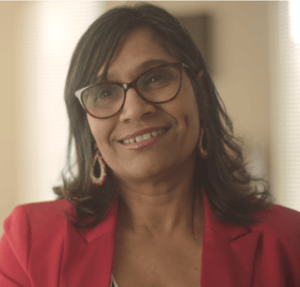
Ana Novais
Acting Secretary, RI Executive Office of Health and Human Services
Ana Novais holds a Clinical Psychology degree from UCLN, Belgium and is a graduate of the NPHL Institute, University of Albany, NY. Ana’s career in Public Health started in 1985 (Cape Verde) and includes 5 years in Portugal. In the U.S. since 1995, Ana started working as a Clinical Psychologist before moving to the RI Department of Health in 1998 where she remained until 2020, first addressing the needs of RI BIPOC community and later leading the areas of Chronic Disease, Environmental Health, and Maternal and Child Health; Ana’s work include the development of nationally recognized programs such as “Vaccinate Before You Graduate” and “Health Equity Zones” initiative. In 2015 Ana was promoted to Deputy Director. Ana currently serves as the Acting Secretary for the RI Executive Office of Health and Human Services. Ana was born and raised in Cabo Verde; a proud mother of 4 adult children and grandmother to 5 beautiful children she loves spending time traveling, reading, and gardening.
Sessions:
- Connecting the Streams of Population Health and Public Health

India Ornelas
Professor and Interim Chair, Department of Health Systems and Population Health, University of Washington
Dr. India Ornelas (she/her) is Interim Chair and Professor in the Department of Health Systems and Population Health at the University of Washington. Her research focuses on understanding how social and cultural factors influence health disparities, especially among of Latino and American Indian populations. She collaborates with communities to develop health promotion interventions in the areas of mental health, substance use and cancer prevention. Dr. Ornelas currently teaches and mentors graduate students in the areas of social determinants of health, health promotion and community engagement. She also serves as the Director of the MPH Core Curriculum in the School of Public Health. She received a bachelor’s degree from Brown University, a MPH from the University of Washington and a PhD in Health Behavior from the University of North Carolina at Chapel Hill.
Sessions:
- Diving into Workforce: Building a More Equitable Public Workforce
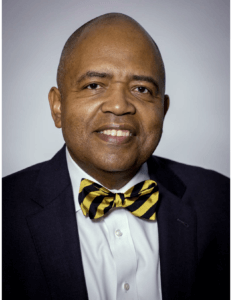
Kevin Patterson
CEO, Connect for Health Colorado
Kevin Patterson has served as Chief Executive Officer of Connect for Health Colorado since April of 2015. He previously served as chief administrative officer and interim chief of staff to Gov. John Hickenlooper and has an extensive history of public service. Kevin has served as the interim executive director of three state agencies during leadership transitions, the Governor’s Office of Information Technology, the Colorado Department of Local Affairs and the Governor’s Energy Office. He brings a strong understanding of state government and stakeholder engagement to this role. Kevin has held leadership roles for the city and county of Denver. He was elected to the Denver Board of Education in 2001 and reelected in 2005. Kevin graduated with a B.A. in Teaching from Sam Houston State University and holds both a Master’s of Public Administration and a Master’s of Urban Regional Planning from the University of Colorado at Denver.
Sessions:
- We’ve Got You Covered: Affordable Coverage Strategies
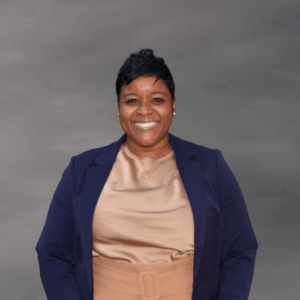
Shirley Payne
Assistant Commissioner, Public Health Protection Commission, Indiana Department of Health
Dr. Shirley Payne is the Assistant Commissioner (AC) for the Public Health Protection Commission at the Indiana Department of Health. Her primary responsibility is to provide leadership to the Emergency Preparedness, Environmental Public Health, Food Protection, Immunization, Lead & Healthy Homes, and Vital Records Divisions. Prior to assuming the AC role, Dr. Payne worked in the Children’s Special Health Care Services Division for nine years. As Director, she was responsible for managing Indiana’s supplemental coverage program to help families of children with chronic medical conditions pay for treatment related to their child’s condition. She also served as the state’s Title V CYSHCN Director.Dr. Payne is a former President and Regional Director of the Association of Maternal and Child Health Programs’ Board of Directors and is President of the Domestic Violence Network Board in Indianapolis. She is also an Adjunct Professor at the Indiana University School of Public Health
Sessions:
- Moving the Needle on Preventive Care for Children

Joseline Peña-Melnyk
Chair, Health and Government Operations Committee, Maryland House of Delegates
Delegate Joseline Peña-Melnyk proudly serves in the Maryland General Assembly where she is the Chair of the House Health and Government Operations Committee. Equal rights and health equity are at the core of her character. After graduating law school, she worked as a public defender, and later as a U.S. Attorney and guardian for vulnerable children. She is committed to making Maryland stronger, fairer, and more inclusive. The Delegate has sponsored more than 80 successful bills, several of which were the first in the nation. In March 2022, she proudly accepted an appointment to the NASHP Population and Public Health Steering Committee. The Delegate serves as the Vice Chair of the Council on Communities of Color for the Council of State Governments Eastern Regional Conference. She is Membership Chair for the Eastern Region of the National Caucus of Hispanic Legislators and Co-Chair of the National Black Caucus of State Legislators Health and Human Services Policy Committee.
Sessions:
- Changing Tides: Investing in Equity

Ryan Pistoresi
Assistant Chief Pharmacy Officer, Washington State Health Care Authority
Dr. Ryan Pistoresi, PharmD, MS joined the Washington State Health Care Authority (HCA) in November 2015 as the new Assistant Chief Pharmacy Officer. Ryan’s main duties with the HCA are to provide clinical support to the Apple Health (Medicaid) program and to the Public Employees Benefits Board (PEBB) and School Employees Benefits Board (SEBB). Ryan also supports the implementation of various pharmacy legislation in Washington State, including Drug Price Transparency, the Prescription Drug Affordability Board, naloxone bulk purchasing and distribution, insulin access and affordability, among others. Ryan graduated with a Doctor of Pharmacy from the University of Washington and earned a Master of Science studying health economics and outcomes research from the University of Washington CHOICE Institute.
Sessions:
- How States Are Addressing Rising Health Care Costs: Understanding the Data and Policy Strategies

Susan Podshadley
Program Director, Social Determinants of Health, Arizona Health Care Cost Containment System (AHCCCS)
Susan Podshadley serves as the Program Director for the AHCCCS Whole Person Care Initiative, which seeks to improve social determinants of health for over 2 million Medicaid members in Arizona. She works closely with Medicaid leadership and community stakeholders on the development and management of the statewide program. Susan specializes in creating new ways to connect disadvantaged populations to community resources in order to improve their health outcomes.
Sessions:
- Wiring for Maximizing Health: Collaborative Partnerships to Address Social Drivers of Health

Kelsey Potter
Vice President, Apple Health (Medicaid) Coordinated Care, Coordinated Care Health of Washington
As the Vice President of Apple Health for Coordinated Care, Kelsey oversees the performance of Coordinated Care’s Medicaid and sole-source Foster Care contracts. Kelsey was born and raised in Pierce County and is a graduate of Pacific Lutheran University. Kelsey is passionate about serving others and helping to improve the health of the greater community. She started volunteering at a young age, serving on the Pierce County Juvenile Court’s Community Accountability Board through the Diversion Program, as well as providing free tutoring services to youth that needed it. This experience sparked Kelsey’s interest in education and mental health, which ultimately led to her employment at Coordinated Care. Kelsey also serves on Comprehensive Life Resource’s (a local Community Behavioral Health Agency) Board of Directors.
Sessions:
- Home Is Where the Child Is: Fostering Access to Prevention Services in Child Welfare

Kelly Ramsey
Chief of Medical Services, New York State Office of Addiction Services and Supports (OASAS)
Dr. Kelly S. Ramsey is an internal medicine physician who has treated substance use disorder since 2004. She is board certified in internal medicine and addiction medicine. Dr. Ramsey currently works as the Chief of Medical Services at New York State Office of Addiction Services and Supports (NYS OASAS), the single state regulatory and policy agency for addiction in NYS. Dr. Ramsey has provided expert advice to the NYS Department of Health (DOH) AIDS Institute by serving on numerous committees related to HIV care and SUD care for over a decade. Dr. Ramsey was the recipient of the NYS DOH Commissioner’s Special Recognition Award for contributions to drug user health in NYS in December 2018. Dr. Ramsey is the President for the NY Society of Addiction Medicine (NYSAM) Board of Directors (BOD). Dr. Ramsey sits on the American Society of Addiction Medicine (ASAM) National BOD, as the Region I Director, representing NYS.
Sessions:
- State Innovations Addressing the Substance Use Epidemic
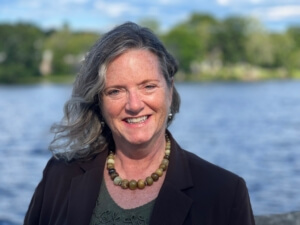
Joanne Rawlings-Sekunda
Director, Consumer Health Care Division, Maine Bureau of Insurance
Joanne Rawlings-Sekunda has been the Director of the Consumer Health Care Division of the Maine Bureau of Insurance since 2015, and part of the Bureau since 2001. She is actively involved in a broad range of regulatory, consumer protection, and policy matters related to health, life, disability, and long-term care insurance. She has worked on plan management activities for both the Affordable Care Act and Maine’s new state-based Marketplace, as well as on Maine’s many efforts to improve its healthcare financing system. She also participates on the commission to oversee the State employee health plan, and on the National Committee for Quality Assurance (NCQA)’s Public Sector Advisory Council. Prior to joining the State of Maine, Joanne worked for NASHP for 5 years, and is pleased to participate in a NASHP conference once again.
Sessions:
- A Visit to the Seattle Gum Wall: States Making Federal Policy Stick
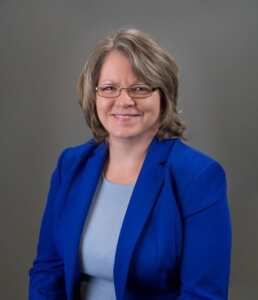
Bea-Alise Rector
Assistant Secretary, DSHS Aging and Long-Term Support Administration of Washington State
Bea Rector is the Assistant Secretary for the Department of Social and Health Services’ Aging and Long-Term Support Administration (ALTSA) in Washington State. Bea is responsible for guiding policy, strategy and innovations in what experts consistently rank as one of the nation’s best performing long-term services and supports systems. ALTSA administers long-term services and supports to adults with disabilities, older adults, and their caregivers as well as services and communication access to individuals who are hard of hearing, deaf or deaf blind. ALTSA also investigates and administers services to protect vulnerable adults from abuse, neglect and exploitation; and regulates and does complaint investigation of the state’s licensed and certified residential and community provider network. Bea has worked in the long-term care field for more than 30 years, including more than two decades with the state. She has a Master’s Degree in Public Administration from the University of Washington.
Sessions:
- Better Together: State Innovations in Family Caregiving and the Direct Care Workforce

Megan Renfrew
Associate Director of External Affairs, Health Services Cost Review Commission
Megan Renfrew is the Associate Director of External Affairs at the Maryland Health Services Cost Review Commission (HSCRC). HSCRC sets hospital rates and works to achieve the goals of Maryland’s Total Cost of Care Model, an innovative agreement with CMS. Megan collaborates with stakeholders to develop regulations, policies, and reports on a variety of topics, including medical debt, hospital financial assistance, behavioral health, and Maryland’s advanced primary care program. Prior to joining the State of Maryland, Megan worked for the CMS on 1115 demonstrations and the collection of Medicaid enrollment data. From 2007 to 2013, she served as a non-partisan attorney in the Office of Legislative Counsel in the U.S. House of Representatives and contributed to the drafting of the Affordable Care Act. She has a Juris Doctor from Columbia University, a Masters of Public Affairs from Princeton, and a Bachelor of Arts from Cornell University.
Sessions:
- What’s Brewing? Revisioning Payment Models

Dave Richard
Deputy Secretary, NC Medicaid, North Carolina DHHS
Dave Richard is the Deputy Secretary, NC Medicaid, where he leads North Carolina’s $14 billion Medicaid and NC Health Choice programs for the state’s Department of Health and Human Services (DHHS). Richard’s vision for Medicaid is to ensure a sustainable, person-centered and innovative Medicaid program for more than two million North Carolinians who use Medicaid. As the programs undergo transformation to even better fit the needs of state and its residents, he is committed to the fundamental goal of improving the health and well-being of all residents. Richard believes the right way to achieve success is to work closely with stakeholders in all aspects of Medicaid. Prior to leading Medicaid, Richard was the Deputy Secretary for DHHS Behavioral Health and Developmental Disability Services and the State Operated Healthcare Facilities divisions. He joined DHHS in May 2013 as the Director of the Division of Mental Health, Intellectual and Developmental Disabilities and Substance Abuse Services.
Sessions:
- Paying It Forward: Investing in the LTSS Workforce

Heather Roth
Immunization Branch Chief, Colorado Department of Public Health and Environment
Heather Roth serves as Immunization Branch Chief at the Colorado Department of Public Health and Environment. In this position, she develops strategic direction and policies for the state’s immunization program and is responsible for program operations, grant management, data management and staff management. Heather holds a Masters degree in International Human Rights and a Certificate in Global Health Affairs from University of Denver’s Graduate School of International Studies as well as a Bachelors degree in Political Science and French from the University of Notre Dame. A Colorado native, Heather’s previous experience includes program management for the Colorado Immunization Information System and the Colorado Children’s Immunization Coalition. Heather currently serves as Treasurer and President-Elect of the American Immunization Registry Association and Executive Committee Member of the Association of Immunization Managers.
Sessions:
- Moving the Needle on Preventive Care for Children

Daniel Rusyniak
Secretary, Indiana Family and Social Services Administration
Dr. Daniel Rusyniak is the Chief Medical Officer for the Indiana Family and Social Services Administration (FSSA). He is also a Professor of Emergency Medicine at the IU School of Medicine. Prior to his role at FSSA, Dr. Rusyniak was the Medical Director for the Indiana Poison Control Center and the IU Division Chief for Medical Toxicology. He has had a sustained research career with multiple NIH grants. His work has focused on the prevention of complications related to drug overdose and misuse. He has authored over 70 articles, 13 textbook chapters and edited 4 books.
Sessions:
- Tuesday Morning Plenary: Economic Outlook and the Impact on the Health Care Workforce
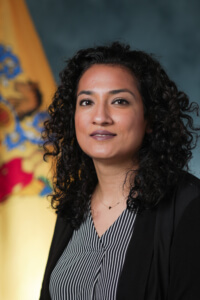
Shabnam Salih
Director, Office of Healthcare Affordability and Transparency, Office of the Governor Philip D. Murphy
Shabnam Salih, MPA, was appointed by New Jersey Governor Phil Murphy in February 2020 as the first Director of the Governor’s Office of Health Care Affordability and Transparency. In this role, she advances administration and market wide health care affordability efforts, most recently focused on mitigating health care cost growth and prescription drug affordability. Salih previously served as Senior Policy Advisor to the Governor and advanced key priorities in areas of health, human services, health insurance, and children and families. She has successfully developed and implemented policies on issues related to opioid use disorder, health insurance, behavioral health, state health benefits, and the COVID-19 pandemic. From 2013 to 2018, Salih was with the Camden Coalition of Healthcare Providers. Salih is also a former legislative aide in the New Jersey Senate and Teach for America Corps Member. She has an MPA from Baruch College, CUNY and a BA from The College of New Jersey.
Sessions:
- Reining in Rising Health Care Costs

Linette Scott
Deputy Director, Enterprise Data and Information Management, and Chief Data Officer, Department of Health Care Services
Linette Scott, MD, MPH, is the Chief Data Officer and Deputy Director of Enterprise Data and Information Management in the California Department of Health Care Services. In this role she works across the Department and with stakeholders to ensure that reliable data and information are available, and used to drive improvements in population health and clinical outcomes through the Department’s programs and policies. Dr. Scott is a Board Certified Physician in Public Health and General Preventive Medicine and in Clinical Informatics. She has a Doctor of Medicine from Eastern Virginia Medical School, a Masters in Public Health from University of California, Davis, and a Bachelors of Arts in Physics from University of California, Santa Cruz.
Sessions:
- Connecting the Streams of Population Health and Public Health

David Seltz
Executive Director, Massachusetts Health Policy Commission
David Seltz is the first Executive Director of the Massachusetts Health Policy Commission (HPC). Prior to leading the HPC, Mr. Seltz was the Special Advisor on health care for Governor Deval Patrick (MA) and Senate President Therese Murray. Through these positions, Mr. Seltz advised the passage of historic health care access reform legislation in 2006, a forerunner to the Affordable Care Act of 2010. Subsequently, he worked on landmark cost containment legislation in Massachusetts, which has also become a model of success for many states. Mr. Seltz is a 2003 graduate of Boston College and originally from Minnesota. He was a recipient of Modern HealthCare’s 2015 Up and Comer Award, as well as a recipient of the Massachusetts Health Council’s 100th Anniversary Health Care Star Award (2020). Mr. Seltz also serves as a designated member of the Oversight Council to the Massachusetts Center for Health Information and Analysis (CHIA) and as a member of NASHP’s Executive Committee.
Sessions:
- How States Are Addressing Rising Health Care Costs: Understanding the Data and Policy Strategies
- Reining in Rising Health Care Costs
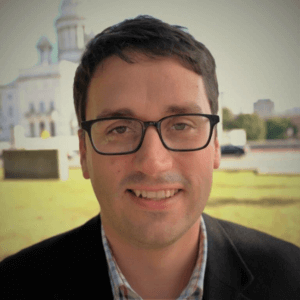
Zach Sherman
Executive Director, Pennie — Pennsylvania Insurance Exchange
Executive Director Zachary W. Sherman leads Pennie, the Commonwealth’s newly established state-affiliated insurance marketplace, which was created to reduce costs and better support the needs of consumers purchasing health coverage.Sherman brings a wealth of health policy and analytics experience to his role. As Executive Director, he aims to ensure a stable and accessible individual insurance market and to improve affordability and customer service quality for the hundreds of thousands of Pennsylvanians getting coverage through Pennie. Prior to this role, Sherman served as Director of HealthSource RI, where he held multiple positions since the establishment of Rhode Island’s marketplace in 2011. Sherman has worked in health policy and research since earning his bachelor’s degree in Business Administration from Rhodes College in Memphis, Tennessee.
Sessions:
- The Long Unwinding Road: End of the Public Health Emergency
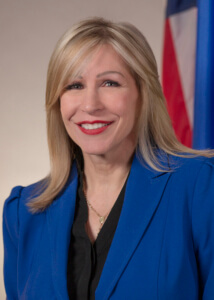
Carrie Slatton-Hodges
Commissioner, Oklahoma Department of Mental Health and Substance Abuse Services
Carrie Slatton-Hodges is the Commissioner for the Oklahoma Department of Mental Health & Substance Abuse Services. Prior to her current role, Carrie served 12 years as Deputy Commissioner for ODMHSAS, overseeing treatment & recovery services statewide. She is committed to mental health & substance use prevention, treatment & recovery for Oklahomans and believes that everyone deserves to live a valuable, productive life in the community. Carrie has transformed the delivery of treatment services through innovative programming & strategically leveraging resources to improve Oklahoma’s behavioral health, including the launch of Urgent Behavioral Health Care Centers, integrating Comprehensive Community Addiction Recovery Centers, developing a system of ambulatory detoxification services, & transitioning to an outcome-based payment system for Community Behavioral Health Centers. She has a Master’s in Applied Psychology Southwestern Oklahoma State University, and has been an LPC for 30 years.
Sessions:
- The Last Frontier: Building Rural Crisis Systems
Amber Slichta
Vice President of Programs & Learning, Ralph C. Wilson, Jr. Foundation
Amber Slichta, a Buffalo native, joined the Ralph C. Wilson, Jr. Foundation as Vice President of Programs & Learning in July 2016. In this role, she oversees grantmaking strategies and collaboration within the Foundation’s early childhood, afterschool, caregivers, and young adults and working families program areas as well as learning and evaluation.Slichta previously served as vice president at the Health Foundation for Western & Central New York, where she launched several major initiatives to improve the lives of children in poverty and vulnerable older adults. Prior to this, Slichta was the executive director of HealthforAll of WNY, Inc. where she led an effort to provide insurance subsidies for the working uninsured and their employers. She received an associate degree in applied science/nursing from Trocaire College, a bachelor’s degree in accounting from Canisius College and a master’s degree in health services administration from D’Youvillle College.
Sessions:
- Better Together: State Innovations in Family Caregiving and the Direct Care Workforce
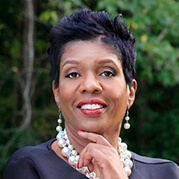
Dannette Smith
Chief Executive Officer, Nebraska Department of Health and Human Services
Dannette R. Smith was appointed Chief Executive Officer of the Department of Health and Human Services for the state of Nebraska in February of 2019. She brings more than 25 years of executive leadership experience with complex organizations to the State. Prior to joining the Nebraska Department of Health and Human Services Ms. Smith was the Director of the Virginia Beach Department of Human Services. She has also worked in a leadership capacity in Seattle, WA, Atlanta, GA, Charlotte, NC, and Cook County, IL. Smith holds a Bachelor’s of Science in Psychology from Eastern Michigan University and a Master’s of Social Work from the University of Illinois at Chicago. Under the auspices of the Child Welfare League of America, she participated in a child welfare leadership program at Harvard’s Kennedy School of Government. She also attended the County Administration Program at the University of North Carolina at Chapel Hill.
Sessions:
- Opening Plenary: What Is the Forecast for State Health Policy

Margaret Smith-Isa
Program Development Specialist, Oregon Health Authority — Public Employees’ Benefit Board and Oregon Educators Benefit Board
Margaret Smith-Isa is a Program and Policy Specialist for the Public Employees’ Benefit Board (PEBB) and Oregon Educators Benefits Board (OEBB). PEBB and OEBB are programs of the Oregon Health Authority’s Health Policy and Analytics Division, with PEBB providing benefits to state and university system employees, OEBB providing employee benefit plans to K-12 school districts and community colleges, and both programs allowing Oregon local governments to opt in for their employee benefits. Margaret’s work spans a variety of areas including value-based benefit design and payment, health plan quality measurement, and research and development for chronic condition and wellness programs. Prior to joining PEBB/OEBB Margaret worked in health analytics for a large health plan and in health policy and research at a federal government agency. She holds a bachelor’s degree in biological sciences from the University of Illinois and a master’s degree in public policy from Duke University.
Sessions:
- How States Are Addressing Rising Health Care Costs: Understanding the Data and Policy Strategies
Rani Snyder
Vice President of Program, The John A. Hartford Foundation
Rani E. Snyder, MPA, is Vice President, Program at The John A. Hartford Foundation. Ms. Snyder has over 25 years of experience working with preeminent health care institutions across the nation improving the care of older adults, identifying and guiding health care programs that have set the standard for medical best practices, increasing medical education opportunities, and maximizing resources to improve health care broadly. She brings that experience to The John A. Hartford Foundation where she coordinates initiatives that foster collaboration among academic institutions, hospitals and health care providers to build Age-Friendly Health Systems, support family caregivers, and improve serious illness and end-of-life care. She is a board member and past board chair for Grantmakers in Aging, a membership organization comprised of philanthropies with a common dedication to improving the experience of aging, a board member for the American Society on Aging.
Sessions:
- Better Together: State Innovations in Family Caregiving and the Direct Care Workforce

Joanne Spetz
Director, Philip R. Lee Institute for Health Policy Studies, University of California, San Francisco
Joanne Spetz is Director and Brenda and Jeffrey L. Kang Presidential Chair in Healthcare Finance at the Philip R. Lee Institute for Health Policy Studies (IHPS), University of California San Francisco. IHPS is a 50-year-old research unit that conducts innovative research to support, guide, and enable policymakers, communities, and clinicians in making evidence-informed decisions that improve health and health care for individuals and families.Dr. Spetz’s research focuses on the economics of the health care workforce, organization of health care services, and quality of health care. She directs the federally funded UCSF Health Workforce Research Center on Long-Term Care and is an internationally known expert on the nursing workforce, leading studies of nurse supply, demand, education, earnings, and contributions to the quality of care.
Sessions:
- Tuesday Morning Plenary: Economic Outlook and the Impact on the Health Care Workforce
Melissa Stafford Jones
Director of the California Children and Youth Behavioral Health Initiative, CalHHS
Melissa Stafford Jones serves as Director of the California Children and Youth Behavioral Health Initiative at the California Health & Human Services Agency. Melissa’s career in health policy is grounded in deep dedication to the vision of improving health, well-being and opportunity for all Californians to thrive and fully reach their potential, particularly those who are the most underserved and face the most structural barriers to opportunity. As Director of the Children and Youth Behavioral Health Initiative, Melissa is working with CalHHS departments, sister state agencies and with partners and stakeholders throughout the state to reimagine California’s children and youth behavioral health system into an innovative, up-stream focused, ecosystem where ALL children and youth are routinely screened, supported, and served for emerging and existing behavioral health (mental health and substance use) needs.
Sessions:
- State Strategies to Support Children’s Mental Health
Dawn Stehle
Deputy Director for Health and Medicaid Director, Arkansas Department of Human Services
Dawn Stehle serves as the Deputy Director for Health & Medicaid Director at the Arkansas Department of Human Services (DHS). The Divisions included in her oversight are Aging, Adult & Behavioral Health Services, County Operations, Developmental Disabilities Services, Provider Services & Quality Assurance, and Medical Services. In this role, Dr. Stehle also serves as the State Medicaid Director. The Arkansas Medicaid Program has an approximately $9 billion dollar budget and serves over 1 million Arkansans each year. Prior to joining DHS in 2006, Dr. Stehle served in a variety of capacities within and outside the U.S. conducting research, providing technical assistance, and coordinating care and treatment for seniors, intellectually/developmentally disabled adults, and visually impaired consumers, among others. Dr. Stehle has earned Bachelor of Science degrees in biology and social work, a Master of Public Service, and a Doctor of Public Health.
Sessions:
- The Long Unwinding Road: End of the Public Health Emergency
Brian Stettin
Senior Advisor on Severe Mental Illness, New York City Office of the Mayor
Brian Stettin is Senior Advisor on Severe Mental Illness in the office of New York City Mayor Eric Adams. From 2009 until earlier this year, Brian was Policy Director for the Treatment Advocacy Center, a national organization based in Arlington, VA working to remove barriers to the treatment of severe mental illness. Other prior roles include Counsel to the Health Comittee of the New York State Assembly (2008-2009); Special Counsel to the New York State Commissioner of Criminal Justice Services (2007-2008); and Assistant New York State Attorney General (1999-2007). In the latter position, Brian was instrumental in conceiving and drafting “Kendra’s Law,” New York’s law authorizing court-ordered “assisted outpatient treatment” (AOT) for individuals with mental illness who struggle to maintain adherence to prescribed treatment. Brian is a 1991 graduate of City College of New York and a 1995 graduate of the University of Texas School of Law.
Sessions:
- It’s Not a Crime to be Ill: Emerging Behavioral Health Strategies
Andrew Stolfi
Oregon Insurance Commissioner, Oregon Department of Consumer and Business Services
Andrew R. Stolfi is the Department of Consumer and Business Services director. He is also the state’s insurance commissioner. He joined the department in February 2018 as Division of Financial Regulation administrator and insurance commissioner and was appointed DCBS director in April 2020. Previously, Andrew worked in Switzerland at the International Association of Insurance Supervisors in a variety of roles, including chief operating officer and chief counsel. He held various senior management roles at the Illinois Department of Insurance, including acting director, chief of staff, and special counsel for policy and legislative affairs. His legal background includes serving as attorney and policy analyst in the Office of the Governor of the State of Illinois; judicial law clerk for the Honorable Thomas E. Hoffman in the Illinois Appellate Court, First District; and a special assistant corporation counsel for the City of Chicago Law Department.
Sessions:
- How States Are Addressing Rising Health Care Costs: Understanding the Data and Policy Strategies
- A Visit to the Seattle Gum Wall: States Making Federal Policy Stick
Dena Stoner
Director, Innovation Strategy, IDD/BH Division, Texas Health and Human Services
Dena Stoner, Director of Innovation Strategy for the Texas Health and Human Services Commission’s Intellectual and Developmental Disabilities / Behavioral Health Division, has over 40 years of policy, design and implementation experience, including long term services for people with physical and developmental disabilities; acute medical care; managed healthcare and behavioral health. She currently concentrates on systemic changes to Medicaid-funded behavioral health services and supports. She oversees the state’s Money Follows the Person behavioral health projects and other initiatives such as development of a mental health self-direction benefit for adults with serious mental illness. She chairs the National Association of State Mental Health Program Directors’ Finance Policy Division, serves on the National Research Institute’s Board of Directors and is a member of the NASHP Executive Committee, chairing it’s Behavioral Health, Aging and Disability Committee.
Sessions:
- See Me, Hear Me: Next Generation Person-Centered Care
- The Last Frontier: Building Rural Crisis Systems

Hemi Tewarson
President and Executive Director, NASHP
Hemi Tewarson is the president and executive director of the National Academy of State Health Policy (NASHP), a nonpartisan forum of policymakers throughout state governments, learning, leading, and implementing innovative solutions to health policy challenges. Ms. Tewarson joins NASHP from the Duke-Margolis Center for Health Policy where she has been a leader of the Center’s emerging state policy portfolio, including COVID-19 testing and containment, vaccine distribution and education, coverage and health system reform, Medicaid system improvements and addressing equity within and beyond the COVID-19 pandemic. Previously, Ms. Tewarson served as the director of the Health Division at the National Governors Association’s (NGA) Center for Best Practices, overseeing a broad project portfolio including Medicaid transformation and coverage, Medicaid data systems, health care delivery and payment system reform, workforce, opioids, and behavioral health and social determinants of health. She also served as senior attorney for the Office of the General Counsel at the U.S. Government Accountability Office addressing Medicaid and related health care topics for members of Congress.

Jamie Thongphet
Tribal Health Liaison, North Dakota Department of Health
Jamie Thongphet is a Tribal Health Liaison at the North Dakota Department of Health (NDDoH) Health Equity Office. In this role, she assists the NDDoH Health Equity Office and the Division of Disease Control in addressing vaccine hesitancy and conducting education and awareness for COVID-19 in Tribal and urban areas. She also assists with conducting disease investigations and interventions for other reportable conditions and provides education and awareness for other infectious and chronic diseases as needed and/or requested. Jamie received her Bachelor of Science in Nursing at Minot State University and Master of Science in Nursing at the University of Mary. She is an enrolled Tribal member and has a background in nursing. As a Tribal Health Liaison, she assists on a wide range of projects within and outside of the NDDoH with the commitment of furthering health equity.
Sessions:
- Changing Tides: Investing in Equity

Patrick Tigue
Health Insurance Commissioner, State of Rhode Island
Commissioner Patrick M. Tigue was appointed to serve as the State of Rhode Island’s fourth health insurance commissioner in January 2021. Throughout his career, he has focused on expanding access to care and improving affordability and quality in the health care system through delivery system reform and payment reform. At the State of Rhode Island Office of the Health Insurance Commissioner, Commissioner Tigue has prioritized ensuring coverage for coronavirus disease 2019 testing, treatment, and care, accelerating delivery system reform, increasing health care affordability, increasing access to behavioral health care, advancing the statewide expansion of telehealth services, and promoting transparency and accountability for health care costs. Previously, he served as assistant secretary for health and Medicaid director at the State of Rhode Island Executive Office of Health and Human Services where he led the Medicaid Program.
Sessions:
- How States Are Addressing Rising Health Care Costs: Understanding the Data and Policy Strategies
Daniel Tsai
Center Director, Center for Medicaid and CHIP Services
Daniel Tsai is the Deputy Administrator and Director of Center for Medicaid and CHIP services at the Center for Medicare and Medicaid Services (CMS) where he leads the Center in addressing disparities in health equity and serving the needs of individuals and families who rely on these essential programs. Before joining CMS, Dan was the Assistant Secretary for MassHealth and Medicaid Director for the Commonwealth of Massachusetts, serving for six years — the state’s longest-serving Medicaid director in nearly two decades. His tenure focused on building a robust and sustainable Medicaid program to ensure equitable coverage and improve how health care is delivered for two million individuals and families in the state. Dan also helped lead Massachusetts Medicaid through its most significant restructuring since the 1990s through its landmark 2016 Medicaid 1115 waiver. Under these reforms, MassHealth implemented one of the most at-scale shifts to value-based care in the nation.
Sessions:
- Breakfast Plenary (Wednesday)

Ryan Van Ramshorst
Chief Medical Director, Medicaid/CHIP Services, Texas Health and Human Services Commission
Dr. Ryan Van Ramshorst is proud to serve as the Chief Medical Director for the Medicaid and CHIP Services Division at the Texas Health and Human Services Commission. In this role, Dr. Van Ramshorst serves as the lead physician for the Texas Medicaid program, which provides needed health services to over 5 million Texans. He supervises the Office of the Medical Director, responsible for providing clinical direction and oversight of managed care and fee-for-service programs. He has been in this role since February of 2019. His work experience includes primary care practice in San Antonio as part of a National Health Service Corps Scholarship service commitment and serving as faculty at the UT Health San Antonio Department of Pediatrics. Dr. Van Ramshorst has been married for over 13 years to Dr. Christine Van Ramshorst, an OB/GYN in private practice. His personal interests include spending time with his wife and their two cats, soccer, fitness, traveling, and cooking.
Sessions:
- Moving the Needle on Preventive Care for Children

Jeremy Vandehey
Health Policy and Analytics Director, Oregon Health Authority
Jeremy Vandehey, JD, is the Director of the Health Policy and Analytics Division for the Oregon Health Authority, which is responsible for developing and implementing the state’s vision for health reform and providing health insurance to nearly half a million Oregonians. His teams’ work includes policy analysis, health care cost and quality reporting, advancing evidence-based care and best practices, spreading the use of electronic health records, advancing payment reform, providing health insurance for state employees and educators, and administering the state’s Health Insurance Marketplace. Before joining OHA, Jeremy served as Health Policy Advisor to Governor Kate Brown. Jeremy previously led government relations for Kaiser Permanente’s Northwest Region and served as the legislative director for OHA during the design and implementation of Oregon’s coordinated care organizations.
Sessions:
- We’ve Got You Covered: Affordable Coverage Strategies

Makalah Wagner
Quality and Special Initiatives Section Manager, Wisconsin Department of Health Services
Makalah Wagner works in the Wisconsin Department of Health Services to provide managed care and LTSS program services to over 1.1 million Wisconsinites. Within the Division of Medicaid Services, Makalah is the Quality and Special Initiatives Section Manager, which includes quality improvement efforts across multiple programs and models of service delivery. Makalah has fifteen years of experience working in Wisconsin acute and primary Medicaid managed care, and prior to that received a Master’s in Social Work from UW-Madison.
Sessions:
- No Belaboring the Point: Advancing Equitable Perinatal Health Policy
Renee Walk
Strategic Health Policy Director, Wisconsin Department of Employee Trust Funds
Renee Walk is the Programs & Policy Unit Director for the State of Wisconsin Department of Employee Trust Funds’ Office of Strategic Health Policy. In her role, she leads a team of six advisors who determine contract, benefits, and coverage policy for 235,000 public employees, retirees, and their families. Her work focuses on cost containment and health program innovation. Prior to her role at ETF, Ms. Walk was an insurance product manager for WEA Trust Insurance Corporation, and a policy analyst for the Wisconsin Medicaid Program. She received her Master’s of Public Health from the University of Wisconsin – Madison in 2012.
Sessions:
- How States Are Addressing Rising Health Care Costs: Understanding the Data and Policy Strategies
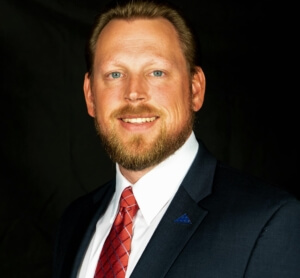
Dan White
Senior Director of Economic Research, Moody’s Analytics
Dan White is a senior director of economic research at Moody’s Analytics. In this role he manages the firm’s economic consulting practice and oversees a wide variety of research with a special emphasis on public policy. Dan’s most recent research has focused on public policy responses to COVID-19, particularly how the pandemic has impacted public revenues and spending. He and his team have performed pioneering research into ways that policymakers can use stress-testing to estimate potential budget short-falls and ensure that public budgets are adequately protected from changes in the business cycle. Before joining Moody’s Analytics, Dan worked as a financial economist for the state of New Mexico where he forecast revenues and analyzed a wide range of policy issues concentrated around economic development, public investment, and debt management. Dan holds an MA in economics as well as undergraduate degrees in finance and international business from New Mexico State University.
Sessions:
- Morning Plenary — Economic Outlook and the Impact on the Health Care Workforce
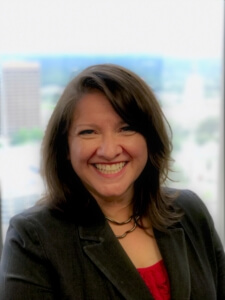
Wendy White Tiegreen
Director of Medicaid Coordination and Health System Innovation, Georgia Department of Behavioral Health and Developmental Disabilities
Wendy White Tiegreen, M.S.W. is the Director of Medicaid and Health System Innovation for the Georgia Department of Behavioral Health & Developmental Disabilities. She has 30 years of experience working in services delivery and administration in the public behavioral health sector. The majority of her career has been spent as liaison to the state Medicaid authority. In that role, she was the primary negotiator with the Centers for Medicare & Medicaid Services in the establishment of peer supports as a Medicaid-financed service, and is a presenter at several national Medicaid, health, and behavioral health management conferences. In her various Departmental roles, she has led in the design, development, implementation of the Georgia Crisis and Access Line (GCAL), Administrative Services Organization, Crisis Stabilization Unit certification, Adult/Youth/Parent Peer Support, High-Fidelity Wraparound, and System of Care frameworks for the State of Georgia. She has also been a contractor for CMS, SAMHSA, NASMHPD, and more than half of all states related to behavioral health, Medicaid, and peer support.
Sessions:
- State Strategies to Support Children’s Mental Health

Ben Winick
Chief of Staff, Illinois Department of Healthcare and Family Services
Ben Winick is currently the Chief of Staff with the Department of Healthcare and Family Services. In that role, Ben has assisted in enacting two reauthorizations of the $3 billion hospital assessment program, nursing home rate reform, and coordinating efforts to ensure nursing staff availability for hospitals during the pandemic. Ben brings over a decade of experience in various roles in State and local governments, with a background in working with multiple departments simultaneously. Most recently, he served as the Director of the Council Office of Financial Analysis with the City of Chicago. In that capacity, he provided analysis and support to the members of the City Council on a issues ranging from the impacts of the implementation of new TIF districts to changes made to the City’s provisions of employee health insurance. Prior to that Ben served as Chief of Staff in the Governor’s Office of Management and Budget and as a senior advisor to the Governor. While there, he worked on wide ranging issues, including legislative negotiations involving the SMART Act, rebalancing care for individuals with disabilities towards community care, marriage equality, pension reform, Unemployment Insurance, the 2010 income tax increase, and helped managed the State’s capital program.
Sessions:
- We’ve Got You Covered: Affordable Coverage Strategies

Charlene Wong
Assistant Secretary for Children and Families, North Carolina Department of Health and Human Services
Dr. Charlene Wong serves as the Assistant Secretary for Children and Families at the North Carolina Department of Health and Human Services (NCDHHS). In this role, she provides vision and leadership for supporting whole child and family health in North Carolina and oversees two Divisions: the Division of Child and Family Well-Being and the Division of Child Development and Early Education. She is a practicing primary care pediatrician, specializing in adolescent and young adult medicine. She also serves as the Executive Director of North Carolina Integrated Care for Kids (NC InCK), an innovative model serving Medicaid-insured children in central North Carolina that integrates supports and data across health care, educational, and social sectors (e.g., schools, housing, food, early care and education, child welfare). Earlier in the COVID-19 pandemic, Dr. Wong served as the Chief Health Policy Officer for COVID-19 at NCDHHS.
Sessions:
- State Strategies to Support Children’s Mental Health
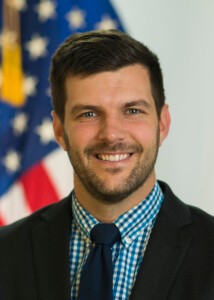
Andrew York
Executive Director, Maryland Prescription Drug Affordability Board
Andrew York is the Executive Director of the Maryland Prescription Drug Affordability Board, which is an independent agency charged with protecting Marylanders from the high costs of prescription drugs. Previously, Andrew worked on prescription drug payment policy and drug pricing reform at the Department of Health and Human Services (HHS) working on the Drug Pricing Blueprint and at Center for Medicare & Medicaid Innovation (CMMI) as the model co-lead of the Most Favored Nation Model. Andrew received his PharmD from the University of Maryland School of Pharmacy and his JD from the University of Maryland Francis King Carey School of Law.
Sessions:
- How States Are Addressing Rising Health Care Costs: Understanding the Data and Policy Strategies
 For individuals living with complex, often chronic conditions, and their families, palliative care can provide relief from symptoms, improve satisfaction and outcomes, and help address critical mental and spiritual needs during difficult times. Now more than ever, there is growing recognition of the importance of palliative care services for individuals with serious illness, such as advance care planning, pain and symptom management, care coordination, and team-based, multi-disciplinary support. These services can help patients and families cope with the symptoms and stressors of disease, better anticipate and avoid crises, and reduce unnecessary and/or unwanted care. While this model is grounded in evidence that demonstrates improved quality of life, better outcomes, and reduced cost for patients, only a fraction of individuals who could benefit from palliative care receive it.