
Implementing the Affordable Care Act: New Options for Medicaid Home and Community Based Services
States have significant roles in implementing practically all aspects of the Affordable Care Act. The Act gives states additional options for financing Medicaid home and community based services and supports (HCBS) through a combination of enhanced Medicaid matching payments, demonstrations, and new Medicaid state plan options. They include the State Balancing Incentive Payments Program, the Money Follows the Person Rebalancing Demonstration, State Plan HCBS, and Community First Choice Option. This issue brief analyzes the scenarios under which states might adopt them. In making those determinations, states will assess whether the new options improve upon the Medicaid authorities they currently use to finance HCBS, namely Medicaid 1915(c) HCBS waivers and state plan personal assistance.
| LTSS_SCAN-FINAL-9-29-10.PDF | 154.3 KB |

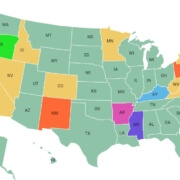
 For individuals living with complex, often chronic conditions, and their families, palliative care can provide relief from symptoms, improve satisfaction and outcomes, and help address critical mental and spiritual needs during difficult times. Now more than ever, there is growing recognition of the importance of palliative care services for individuals with serious illness, such as advance care planning, pain and symptom management, care coordination, and team-based, multi-disciplinary support. These services can help patients and families cope with the symptoms and stressors of disease, better anticipate and avoid crises, and reduce unnecessary and/or unwanted care. While this model is grounded in evidence that demonstrates improved quality of life, better outcomes, and reduced cost for patients, only a fraction of individuals who could benefit from palliative care receive it.
































































