
Incorporating Delivery System Reform Incentives into Medicaid Waivers: State and Federal Perspectives
Date: Monday, November 23, 2015
States are increasingly exploring Delivery System Reform Incentive Payment (DSRIP) and DSRIP-like programs as a mechanism to incentivize system transformation and quality improvements in hospitals and other providers that serve high volumes of low-income patients. Operating under the authority of Section 1115 demonstration waivers, DSRIP programs provide states with a unique opportunity to redesign delivery systems and increase capacity for population health management within the context of state needs and goals. This webinar features federal and state speakers who will discuss the opportunities and challenges for incorporating DSRIP or DSRIP-like programs into 1115 demonstrations and potential areas for ensuring alignment of federal and state approaches. Participants hear from the director of the newly created State Demonstrations Group within CMS followed by speakers from New York and Oregon, who share the unique approaches their states have taken to adapt the DSRIP model to support ongoing delivery system reform.
Speakers:
- Eliot Fishman, Director of the State Demonstrations Group, Center for Medicaid and CHIP Services (CMCS), CMS
- Greg Allen, Director, Division of Program Development and Management, Office of Health Insurance Programs, New York State Department of Health
- Lori Coyner, Director of Accountability and Quality, Oregon Health Authority
Moderator:
- Trish Riley, Executive Director, NASHP

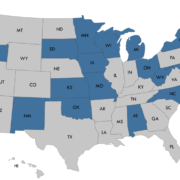
 For individuals living with complex, often chronic conditions, and their families, palliative care can provide relief from symptoms, improve satisfaction and outcomes, and help address critical mental and spiritual needs during difficult times. Now more than ever, there is growing recognition of the importance of palliative care services for individuals with serious illness, such as advance care planning, pain and symptom management, care coordination, and team-based, multi-disciplinary support. These services can help patients and families cope with the symptoms and stressors of disease, better anticipate and avoid crises, and reduce unnecessary and/or unwanted care. While this model is grounded in evidence that demonstrates improved quality of life, better outcomes, and reduced cost for patients, only a fraction of individuals who could benefit from palliative care receive it.
































































