
Integrating Community Health Worker Models into Evolving State Health Care Systems
Monday, February 23, 2015
1:30 pm – 3:00 pm EST
View Webinar Here
As states transform their health systems, many are turning to CHWs to tackle some of the most challenging aspects of health improvement, such as facilitating care coordination, enhancing access to community-based services, and addressing social determinants of health. As interest in CHWs continues to rise, so do challenges related to defining roles and scope of practice, training and certification, financing, and integrating CHWs into evolving health care systems. This webinar describes the federal government’s investment in CHWs to set the context and features speakers from state agencies in Massachusetts, New Mexico, and South Carolina who shed light on how each state is addressing these important issues.
MODERATOR
- CDR Thomas Pryor, United States Public Health Service, Center for Medicare and Medicaid Innovation
PRESENTERS
- Gail Hirsch, Office of Community Health Workers, Division of Prevention and Wellness, Massachusetts Department of Public Health
- Kari Armijo, Health Care Reform Manager, Medical Assistance Division, New Mexico Human Services Department
- Allie Gayheart, Manager of Health Initiatives, South Carolina Department of Health and Human Services
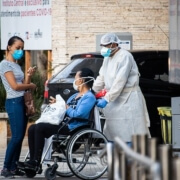


 For individuals living with complex, often chronic conditions, and their families, palliative care can provide relief from symptoms, improve satisfaction and outcomes, and help address critical mental and spiritual needs during difficult times. Now more than ever, there is growing recognition of the importance of palliative care services for individuals with serious illness, such as advance care planning, pain and symptom management, care coordination, and team-based, multi-disciplinary support. These services can help patients and families cope with the symptoms and stressors of disease, better anticipate and avoid crises, and reduce unnecessary and/or unwanted care. While this model is grounded in evidence that demonstrates improved quality of life, better outcomes, and reduced cost for patients, only a fraction of individuals who could benefit from palliative care receive it.
































































