
It’s a Match! Early State Success with SSA Data Matching for Citizenship Documentation
On January 1, 2010, states were able to start implementing a new option to satisfy the citizenship documentation requirements for Medicaid and CHIP through electronic data matches with the Social Security Administration’s (SSA) database. The requirement that states verify citizenship and identity for Medicaid recipients was created in the Deficit Reduction Act of 2005 (DRA) and became effective in July of 2006. This requirement was extended to CHIP programs with the enactment of the Children’s Health Insurance Reauthorization Act (CHIPRA) in February of 2009. Medicaid’s experience collecting and verifying the additional documentation from families was that it initially created significant administrative burdens and costs for states and caused many eligible children, pregnant women, and parents to lose or be denied health coverage. Congress responded to state and advocate concerns by creating the new SSA data match option through CHIPRA.
Early results from states regarding the SSA data match have been promising. Close to half of all states have now either implemented this option or are testing the procedure and will likely adopt it. SSA reports over a 94 percent successful match rate and states report significant administrative savings and increased enrollment simplification. This webinar will highlight the early successes of the SSA data match provision and will discuss possible applications for this type of electronic verification process for broader health care reform enrollment efforts. The speakers are: …..
Webinar Power Point Slides
NASHP Related Posting on MaxEnroll.org
- Moderator: Alice Weiss, Deputy Director, Maximizing Enrollment for Kids & Program Director, National Academy for State Health Policy
- Donna Cohen Ross, Senior Advisor, Office of External Affairs Centers for Medicare and Medicaid Services
Presentation
- Paul Swanenburg, Senior IT Specialist and Program Manager, Social Security Administration
Presentation
- Janice Holmes, FAMIS Program Operations Manager, Maternal and Child Health Division, Virginia Department of Medical Assistance Services
Presentation - Karen Packer, Senior Policy Analyst, Eligibility Section, Policy and Research Division, Virginia Department of Medical Assistance Services
Presentation - Patricia Taylor, Eligibility and Enrollment Unit Manager, Program Operations Division, Virginia Department of Medical Assistance Services
Presentation
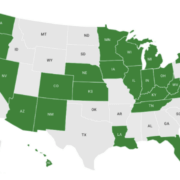

 For individuals living with complex, often chronic conditions, and their families, palliative care can provide relief from symptoms, improve satisfaction and outcomes, and help address critical mental and spiritual needs during difficult times. Now more than ever, there is growing recognition of the importance of palliative care services for individuals with serious illness, such as advance care planning, pain and symptom management, care coordination, and team-based, multi-disciplinary support. These services can help patients and families cope with the symptoms and stressors of disease, better anticipate and avoid crises, and reduce unnecessary and/or unwanted care. While this model is grounded in evidence that demonstrates improved quality of life, better outcomes, and reduced cost for patients, only a fraction of individuals who could benefit from palliative care receive it.
































































