
Medically Needy: An Option Worth Revisiting?
Medicaid medically needy programs allow states the option to expand Medicaid coverage to people with high medical expenses and who otherwise would be ineligible due to income or resource limits. To qualify, individuals “spend down” into Medicaid coverage by paying out-of-pocket medical expenses to lower their income to a predetermined level.
Currently, 33 states and the District of Columbia operate medically needy programs. In 2003, more than 3.4 million people – 6.3 percent of the Medicaid population – received coverage through a medically needy program at an annual cost of $27 billion — 9 percent of total Medicaid expenditures. These programs also allow states to expand Medicaid benefits to certain populations otherwise neligible for Medicaid, notably young adults ages 19 to 21.
| shpmonitor_medicallyneedy.pdf | 270.6 KB |
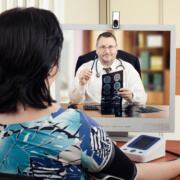
 For individuals living with complex, often chronic conditions, and their families, palliative care can provide relief from symptoms, improve satisfaction and outcomes, and help address critical mental and spiritual needs during difficult times. Now more than ever, there is growing recognition of the importance of palliative care services for individuals with serious illness, such as advance care planning, pain and symptom management, care coordination, and team-based, multi-disciplinary support. These services can help patients and families cope with the symptoms and stressors of disease, better anticipate and avoid crises, and reduce unnecessary and/or unwanted care. While this model is grounded in evidence that demonstrates improved quality of life, better outcomes, and reduced cost for patients, only a fraction of individuals who could benefit from palliative care receive it.
































































