
State Approaches to Medicaid Expansion
Many states began moving forward with their plans to expand Medicaid even before the Supreme Court’s 2012 ruling on the ACA. Other states have more recently decided to pursue expansion, with a number pursuing non-traditional Medicaid alternatives. This webinar will provide a closer look at the various ways states are expanding Medicaid to those who are newly eligible for the program. State panelists will discuss issues related to the expansion, including:
- Coordination with state or federal marketplaces;
- Education and outreach efforts for newly eligible individuals;
- Benefit design and development of the Medicaid Alternative Benefit Plan;
- Provider capacity needs for new and current enrollees; and
- Implications and opportunities for delivery system reform
Please register to join us for this lively discussion.
Speakers:
Alan Weil, Moderator
Executive Director, National Academy for State Health Policy
Kaitlin Sheedy
Policy Specialist, National Academy for State Health Policy
Suzanne Bierman
Assistant Director, Arkansas Division of Medical Services, Director of Continuity of Care and Coordination of Coverage Unit
Jason Helgerson
State Medicaid Director, Deputy Commissioner, State of New York Department of Health
Beth Lazare
Deputy Director, Arizona Health Care Cost Containment System
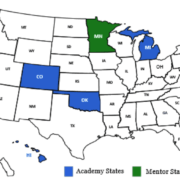
 For individuals living with complex, often chronic conditions, and their families, palliative care can provide relief from symptoms, improve satisfaction and outcomes, and help address critical mental and spiritual needs during difficult times. Now more than ever, there is growing recognition of the importance of palliative care services for individuals with serious illness, such as advance care planning, pain and symptom management, care coordination, and team-based, multi-disciplinary support. These services can help patients and families cope with the symptoms and stressors of disease, better anticipate and avoid crises, and reduce unnecessary and/or unwanted care. While this model is grounded in evidence that demonstrates improved quality of life, better outcomes, and reduced cost for patients, only a fraction of individuals who could benefit from palliative care receive it.
































































