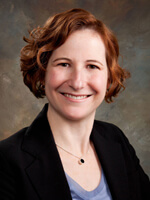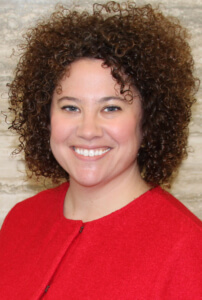
About the Policy Center
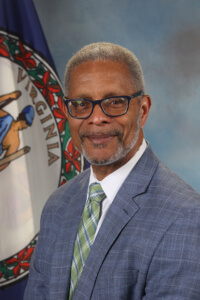
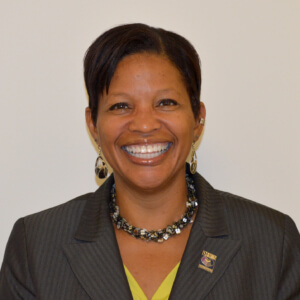
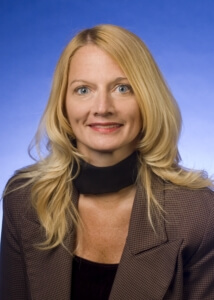
 The NASHP State Policy Center for Opioid Use Disorder Treatment and Access offers states resources on best practices, innovative policies, and emerging issues related to opioid use disorder treatment. To ensure that resources are relevant and timely, NASHP assembled a cross-disciplinary steering committee of state leaders from diverse agencies and areas of expertise to help shape development of these resources.
NASHP Opioid Use Disorder State Policy Steering Committee
This group of state policymakers provides the National Academy for State Health Policy (NASHP) with guidance and input in developing resources that feature promising state policies and practices that states can use to increase access to treatment for opioid use disorder. For additional information, please contact Jodi Manz (jmanz@oldsite.nashp.org).
- Kevin Bauer PhD
School Based Services Policy Specialist
Michigan Department of Health and Human Services - Hon. Eric Bloch
Multnomah County Circuit Court Judge
Oregon - Kimberly Boswell
Commissioner
Alabama Department of Mental Health - Allan Brenzel, MD
Medical Director
Department of Behavioral Health,
Developmental and Intellectual Disorders
Commonwealth of Kentucky - Laura Fassbender
Executive Advisor
Pennsylvania Department of Health
Office of the Secretary - Laura Garcia
Deputy Director of Bureau of Licensure, Compliance and Monitoring
Division of Substance Use Prevention and Recovery
Illinois Department of Human Services - Ashley Harrell
Senior Program Advisor
Division of Behavioral Health
Virginia Department of Medical Assistance Services - Lisa Letourneau, MD
Senior Advisor, Delivery System Change
Maine Department of Health and Human Services Commissioner’s Office - Marc Manseau, MD
Chief of Medical Services
New York State Office of Addiction Services and Supports - Jackie Prokop, PhD
Director, Program Policy Division
Michigan Department of Health and Human Services - Annie Ramniceanu
Executive Director, Addictions and Mental Health Systems
Vermont Department of Corrections - Satya Sarma, MD
Medical Director
Arizona Health Care Cost Containment System
April 15, 2022 Meeting Minutes
| FORE Steering Committee Meeting Minutes | |
| Location | Teleconference |
| Date/Time | 4/15/22, 12:00-1:30 pm |
| Attendees | NASHP: Kitty Purington, Mia Antezzo, Eliza Mette, Jodi Manz
FORE: Ken Shatzkes, Brian Byrd Steering Committee and Guests: Kelly Ramsey (NY), Allen Brenzel (KY), Laura Garcia (IL), Ashley Harrell (VA) |
NASHP Updates:
- Thinking about opioid settlement funds
- Gubernatorial transitions
- Feedback from States: Upcoming NASHP work
- MOUD in the ER
- NAS/Maternal MOUD
- MOUD integration in primary care, FQHCs
- Reentry and incarceration-based treatment
- Telehealth and hybrid MOUD delivery
- Prenatal/perinatal treatment
- MOUD/SUD crisis capacity
- Peers and community health workers
- Safe injection/use policy
Discussion/State Priorities:
NY:
- MOUD in ED – technically EDs fall under DOH in NY, partnering with DOH. Priority for new commissioner to show footprint outside own jurisdiction (also buprenorphine induction with EMS)
- NAS/Maternal MOUD: Birthing center learning collaborative
- Criminal legal system: DOCS is actively rolling out bill putting MOUD in all incarceration settings. More complex on county level.
- Telehealth: Loosening regulations, hopeful that at federal level there will be a carve out for Ryan Haight.
- MOUD/SUD crisis capacity: Two levels of care, one is living room other is medical model.
- Peers and Community Health Workers (CHW): Integrated throughout system.. Historically was an abstinence system. New commissioner is a harm reductionist, so creating a division of harm redux. For some providers this is new, and for some this is exciting.
- Safe injection: OD prevention centers in NYC. Not regulated by any government agency – but given permission by NYC DOH, funded by private money. Two more to launch. Since November, over 4000 unique visits and hundreds over overdose reversals.
- New harm reduction office is going to be very careful not to duplicate the office of drug user health (in DOH), will be embedded in OASAS. More than enough work to go around.
- NJ is doing the EMS buprenorphine induction
- NY MATTERS: Low threshold model started in Buffalo. Focused on OASAS systems providers but expanding into FQHCs. Linked with NJ/EMS
KY:
- MOUD in the ER:
- Implementation is extremely difficult
- Funding programs
- Requires internal champions on clinical and administrative side. Wish we were further along, but continues to be a priority
- Goal is to utilize hospital association structure.
- Opioid stewardship program – SOR funding.
- NAS/Maternal MOUD:
- Early priority with significant funding
- Well established what pregnant people need
- Problems: handoffs, what happens post-partum
- Arranging and ensuring follow up for both mom and baby
- Active maternal perinatal care collaborative. Now part of maternal mortality review – 60% of maternal deaths related to SUD/OUD
- Challenges around testing, ACOG as a strong partner
- MOUD integration in primary care, FQHCs:
- Significantly funded program with FQHCs and primary care association.
- Funding to provide peer support and mentoring around prescribing
- Those who want to are doing it, but those who don’t are difficult to sign on
- CCBHC model – bidirectional integrated care. Four CCBHCs in KY. Thinking about CCBHCs as the key to the SUD safety net. States are required to develop certification requirements. A little concerned about how CCBHCs are addressing SUD.
- Reentry and incarceration-based treatment:
- Medicaid expansion is a key. Laws about limiting presumptive eligibility. Could lose 150K members.
- Focus is diversion in legislature – added 20M (out of settlement agreements) to create 10 pilot BH diversion programs. Requires assessment prior to arraignment. Limited capacity to provide treatment. Thinking about how integrated with drug courts. Part of the goal is to allow Medicaid to pay for treatment. Law defines case management responsibility – beyond Medicaid targeted case management funding
- Big emphasis on housing – some people want to pay for residential treatment as housing.
- Reentry housing
- Telehealth and hybrid MOUD delivery
- All convinced that this is here to stay
- No huge concerns
- Prenatal/perinatal treatment
- Already mentioned – concerns are the number of women dying, driving interesting broad coalitions
- MOUD/SUD crisis capacity
- 988 – intending to build in SUD
- Funding for 988 from legislature
- Looking at community paramedicine, but shut down by Medicaid on that in own state plan
- Peers and community health workers
- All in, but only reimbursable in relation to treatment plan – ED peers are not reimbursable. Want to amend state plan to allow for reimbursement.
- Safe injection/use policy:
- Have 70 SSPs. Legislation that allows it to be a grassroots initiative. Key in terms of harm redux and access to treatment and front door services
- Next frontier is vending machine dispensing for Narcan, kiosks for SSPs
- Still haven’t heard about 1115.
- Settlement dollars: Concern with coordination. In the hands of AG. Healing communities built infrastructure and it ends Jun 30. KY got 75M, most going to academics not direct services. Thinking about how to sustain services.
- Equity issues – virtually no POC getting methadone – big gaps in care. Parsing data.
IL:
- IL facing similar challenges
- Maternal MOUD:
- Pregnant and postpartum people who are able to access MAT, physicians still have to report to DCFS (CPS), people do well on medication only to be separated from their newborns in the hospital. Looking at process trying to collaborate with DCFS, which has been challenging
- DOC deflection project:
- Going well in E St Louis – expanding in 3 other regions (can share model). Require that they hire recovery deflection specialists (peers with knowledge of the criminal justice system). Ride with state police.
- NOFO for women and post-partum recovery home:
- NOFO hasn’t closed yet, requiring an integrated primary care model. Establishing a new bureau under SUD to manage harm redux initiatives. Looking at social equity as well. Health and Social Equity Bureau – most harm redux issues are in response to opioid epidemic or war on drugs. In IL takes about a year to hire.
- Telehealth:
- Hybrid MOUD delivery model – IL helpline for SUD/OUD – to access tx, usually brick and mortar, but in conversation with programs that offer MAR through telehealth partnering with physicians
- 988:
- Through division of mental health (not integrated with SUD), establishing mobile crisis teams. Opportunity for our providers to look at who will receive individuals in need of 24-hr triage program. Focused on establishing new service of critical care services, address any social determinants of health need with SUD.
VA:
- Office of licensing just incorporated ASAM into licensing requirements. 9 months in and licensing specialists haven’t been trained in ASAM yet. How states are navigating that training is provided, so that licensing, Medicaid providers, are speaking the same language re: ASAM?
- MOUD in the ER
- Contractor building curriculum through SUPPORT Act funding
- Incorporating peers into ED bridge models
- NAS/Maternal MOUD
- Focusing on preferred OBOTs
- MOUD integration in primary care, FQHCs
- Same amount of FQHCs providing MAT as a few years ago
- Reentry and incarceration-based treatment
- Lots of work on this. DMAS and DOC is presenting at RX summit!
- Agency decision package on reentry – probably wont be in budget. Thinking about 1115. Internally working on data exchange. For Medicaid eligibility purposes have jail and prison data to ID individuals who would be eligible. More difficult with jails. Challenges with data and managed care re: HIPAA
- Telehealth and hybrid MOUD delivery
- Posted telehealth manual that includes several SUD services, but similar concerns as Laura’s. Influx of applications wanting to do telehealth only model – turning them down. Telehealth used to expand delivery but need brick and mortar.
- No license and no certification for OBOT – thinking about a certification for an OBOT. Issues with punitive all-cash, punitive, all telehealth providers.
- Bill in board of medicine code – if licensed through board of medicine, you can’t charge cash for buprenorphine for Medicaid members – able to lose your license. (KY did the same thing, but threat of losing their Medicaid provider status).
- Procedure codes for audio only?
- Found out that pharmacies are unwilling to fill suboxone prescriptions
NY:
- Met with DEA – DEA has caps on schedule 2 and not schedule 3 drugs. Wholesalers are supposed to monitoring caps on schedule 2 drugs. Instead, imposing cap on pharmacies, but pharmacies are translating that into caps on patients.
- Alerted DEA, who said the wholesalers are setting policy, which is the wrong intention and not doing their job. DEA will do a public campaign – in person forums.
January 20, 2022 Meeting Minutes
| FORE Steering Committee Meeting Minutes | |
| Location | Teleconference |
| Date/Time | 1/20/22, 3:00-4:00 pm ET |
| Attendees | NASHP: Kitty Purington, Mia Antezzo, Eliza Mette, Jodi Manz
FORE: Ken Shatzkes Steering Committee and Guests: Kathleen Monahan (IL), Kelly Ramsey (NY), Kimberly Boswell (AL), Annie Ramniceanu (VT), Ashley Harrell (VA), Jason Lowe (VA), Christine Bethune (VA), Alan Brenzel (KY), Ariana Campbell (CA Bridge), Aimee Moulin (CA Bridge), Sara Windels (CA Bridge) |
NASHP Updates
- NASHP will be using the last period of FORE grant to look at all federal funding, how money is administered, and opportunities for states.
CA Bridge Presentation
- Addiction is rapidly fatal, and system is designed to lose people as they fall out of treatment
- 3% of people who need treatment for SUD received any in the past year
- Treatment with right medication at the right time doubles compliance after a month
- Reframe addiction as a life-threatening emergency and treat it with an all hands-on deck approach and maje readily accessible
- Recommendations:
- Include hospitals and emergency departments in statewide addiction treatment strategy
- If not screening in hospitals and ED, missing people
- Support peer support services
Discussion/Q&A:
KY:
- Very difficult to implement, ED culture is a culture in itself. Spent 4-5 years on this, have made progress but not statewide. Barriers and challenges are finding an ER physician to champion, need hospital admin champion
- Took 3-4 years after giving money to do the first induction. A lot of effort that goes into implementation. Using KY Association to move funds to them to hire consultants to universalize. In smaller rural hospitals, it’s most difficult. For patients who are admitted, need inpatient consult services. Funded by Opioid STR and SOR funds – maybe 22% of SOR funds being spent on opioid systems. When it works then reduce ED encounters which sells the admins.
Sarah (CA Bridge):
- Key components related to Allen’s comments is clinical technical assistance and making it as simple as possible. Here’s our paper on how we accomplished our work in CA. https://www.annemergmed.com/article/S0196-0644(21)00434-0/fulltext
VA:
- VA has current legislation requiring EDs to implement best practices for OUD events: https://lis.virginia.gov/cgi-bin/legp604.exe?ses=221&typ=bil&val=hb420
Jodi (CA Bridge):
- Case to be made is that if you build out your support networks in your systems, then it helps you.
KY:
- Sustainability – once you get the administration buy in, they see the benefit and put it into their own funding and strategic plan. If you can get it in place and show the outcomes, then hospitals will make it their own priority
- Have made the peer piece reimbursable, so they don’t go away when grant funding goes away. Harm reduction piece is important too.
Aimee (CA Bridge):
- Using g-code for Medicare? Key components related to Allen’s comments is clinical technical assistance and making it as simple as possible. Here’s our paper on how we accomplished our work in CA. https://www.annemergmed.com/article/S0196-0644(21)00434-0/fulltext
VT:
- Vermont is doing this in all ED across the state, peers are also part of that. We don’t have certification for peers yet, but they are paid out of GF dollars.
- Lots of data is being collected and tracked.
- Culture in ED was primed because had three rounds of SBIRT.
- As connects to DOC, don’t have a statewide public inebriate program – take anyone who is a public safety risk, if cleared by hospital team sent to DOC – hold for 24 hours in a medically safe environment.
- Trying to create a similar setting with recovery coaches in a prison setting. Big policy convo about certification of peers – in advance of getting billing code. Offering community parity up until moment of release.
Aimee (CA Bridge):
- In some sites ED is safety net and partner closely as people leave incarceration and back fill in getting people back into treatment.
- My hospital has close relationship with juvenile detention center, anyone going through juvenile justice system – start them on buprenorphine and keep them on it while in detention make sure they are handed off with a prescription and an appointment upon release. Look at your community and resources and where can fill gaps.
Arianna (CA Bridge):
- No refer system at my hospital (due to rurality). Navigators are critical. Visibility is so important. If youth has admitted to or is confirmed to use substances, they come through ED – start buprenorphine. Continuing buprenorphine on pregnant people, but hard for rest of pop. Start on buprenorphine upon release and write a prescription for buprenorphine.
- Working with clinicians in jails so they can get x waivers
Jodi (NASHP):
- Work to be done around MOUs with local and state incarceration systems
VT:
- VT provides buprenorphine to everyone as medically necessary.
- Hopefully we have a really robust system, even if all else fails we provide a bridge upon release.
- Granular level of personalization for release. Low barrier harm redux with doctors imbedded.
- Default to ED if necessary.
NY:
- ED/EMS buprenorphine. EMS buprenorphine is not happening yet but working on it. Jurisdiction doesn’t fall under us (DOH)
- Utilize CA bridge as a resource. Writing guidance for ED with input from DOH.
- Do have bridge clinics – Ross Sullivan in Syracuse very successful. NYMatters, which has infiltrated almost statewide.
- Every jail, prison, and ED using that platform.
- Must be a low threshold provider to be part of network. Very active collaborative to get EMS doing it – meets quarterly including OASAS, DOHMH, etc…
- Jails and prisons – MOUD and MAT for alcohol for jails and prisons, a year to implement. Training sessions with DOC, presentations on evidence of MOUD for corrections with all staff.
- Talking about low threshold harm redux within prison, concerns about diversion – think about diversion in a nuanced way. On county level – jails are included in legislation but able to opt out. If they can’t afford it, we can give them the money. DOC is rolling forward. Counties can’t bail out since treatment is guaranteed in state prisons.
Aimee (CA Bridge):
- Diversion represents a market failure, because if it is being diverted, we still haven’t the threshold of saturation
NY:
- In jail and prison setting it’s different – need to talk about it in a different way – there are people who genuinely do not have opioid use disorder – injectables are an option but can’t take away patients’ choice. Option is to separate those on MOUD v. not.
- New Office of Harm Redux in OASAS. Two overdose prevention centers have opened in NY. Have seen over 500 individuals. Will share toxicology guidance.
September 28, 2021 Meeting Minutes
| FORE Steering Committee Meeting Minutes | |
| Location | Teleconference |
| Date/Time | 9/28/21, 4:00 pm – 5:00 pm ET |
| Attendees | NASHP:Kitty Purington, Mia Antezzo, Eliza Mette
FORE:Ken Shatzkes Steering Committee: Kevin Bauer, Kimberly Boswell, Ashley Harrell, Lisa Letourneau, Annie Ramniceanu, Dr. Kelly Ramsey, Rafael Rivera |
Current NASHP Work:
- Map Update: States Provide Payment Parity for Telehealth and In-Person Care
- Blog: State Policy Actions to Decriminalize Controlled Substances
- #NASHPCONF: Two FORE funded sessions, with participation from steering committee membership.
- Workforce Diversity Case Toolkit
- Recent NASHP NAS Webinar
Discussion:
- What kinds of state structures do you have in place for cross-agency opioid/SUD work and how have those changed over time?
- How is your state administering new settlement funds/aligning those funds with existing opioid-related grants and other resources?
Key themes:
- States have created cross-agency committees to coordinate allocation of ARPA funds.
- States are largely aligning settlement funds to opioid response plans, though unclear how state agencies are involved in allocating these funds.
VT:
- Different committees are providing guidance and oversight to block grants.
- VT is combining different structures and including financial experts at table to describe different funding buckets, then sending out recommendations to commissioners and agency heads (corrections is under HHS, not public safety).
AL:
- Similar process in AL. AL combined everything across the department.
- Adapted robust stakeholder process and created a steering committee.
- Used visuals to clarify funding buckets and strings attached to each bucket,
- Tomorrow – meeting with broader stakeholders to look across funding streams, how state is planning to spend funds and how it lines up with the budget request.
- All summer has been oriented toward ARPA.
- ARPA steering committee includes agency staff, provider association, advocates, state nominated representatives, peer support stakeholders for SUD and MH.
NY:
- Having internal discussion at OASAS, which is small compared to OMH, about SAPT grant. Meet as a group, all submit ideas and proposals, and pick priority interests across divisions to allocate funding
- Do get input from others – OASAS works with the Office of Drug User Health from NY DOH. Work closely and in collaboration with NY DMH OH, NY DOH and agencies within (AIDS institute and other).
- Working on several projects with OCFS on SUD in pregnant and parenting people. Collaborations with ACOGM DOH, OCFS on decreasing stigma, implementing CAPTA/CARA (in a learning collaborative on rolling out CAPTA/CARA implementation, webinar and guidance forthcoming)
FORE:Would like to connect with NY about PQCs.
VA:
- Following the same path as other states. Received input from BH association leads, brought up to leadership, Governor’s SUD/OUD staff leadership committees, which includes leadership from HHS and public safety.
- DBH is leading block grant allocations.
FORE: Is there anything missing in these conversations that would be useful? Data, bringing in a model program?
VA: California came in to present on bridge clinic model. Thinking about how to engage health systems, use funding to leverage bridge clinic.
IL:
- Focused on increasing medication assisted recovery
- Using funds to increase mobile access to MAR
- All activities directed by state overdose action plan
- Committees that have developed plans: steering committee, equity committee, state advisory council
- Working with division of MH on a number of different projects, workforce development is a priority – providers are experiencing shortages.
- Launched access Narcan project, focused on community distribution.
FORE: Are you seeing a naloxone shortage in IL?
IL: Intramuscular shortage, but state has put a lot of money into Narcan (nasal). Harm reduction organizations are shifting to Narcan. This is an issue in Chicago area, where there is the highest rate and largest number of ODs.
FORE: Seeing a drop in overdoses in hospitals, despite peaking overdoses. It seems like people are just not making it to the hospital.
VA: Pills are being mixed with synthetics.
NY: Synthetics have been mixed in NY forever. Fentanyl is in everything, except marijuana.
AL: People are ordering drugs online, thinking it is safer, but the same issues with fentanyl persist.
VT: Attended the New England ASAM conference, where medical examiners shared data across states and all found that its all fentanyl, no heroin.
VA: Suboxone access at pharmacies is also an issue. Pharmacies are limiting supply of suboxone based on use – months backlog of supply.
NY: It’s a problem here too. Buprenorphine is classified as just an opioid. Corporate pharma policies limit prescribing practices. Walmart has practices that are punitive to people on buprenorphine. Things need to change on both DEA and corporate policy level.
FORE: Thoughts on prevention initiatives?
IL:
- Very focused on prevention. Expanding services across lifespan, shoring up collective and indicative strategies.
- So focused on universal strategies, with limited funds. With new funds, we are now expanding prevention options. Supplementing with ARPA funds. Block grants have opened up as Medicaid is covering more and more, so pushing more of block grant funds to prevention (now at 29% of block grant funds).
VA: 20% of block grants are set aside for prevention.
NASHP: How are states administering settlement funds?
NY: We have not been given free reign. There is a legislatively recommended council. OASAS gets to make recommendations, but ultimately legislature and committee get to make final recommendations on how money is spent. Money is targeted to SUD.
FORE: NC has already determined how money is spent by geography.
ME: Director of opioid response is very involved; allocations are still being worked out. Our spending, whether through ARPA or others, is guided by state opioid response plan, and each year percentages are assigned each year (prevention, treatment, recovery, etc..).
IL: Illinois has not either. We are at the table that is being led by our AG but no concrete plans yet. Legislation to assure that funds are focused on SUD/MH services has been proposed but not signed yet.
VT: The money hasn’t showed up yet, so unsure of level of influence.
ME: So much of the funding is huge and fast and needs to be spent quickly, overwhelming. Challenge to face this.
VT: Trying to treat money like an earmark, since budget forecasts are not good. Thinking about how to give things longitudinal lifespan, but it’s difficult. 20% vacancies in community providers.
IL: Same for IL.
FORE: Any discussion of settlement dollars being used for infrastructure? Data infrastructure?
VA: I hope so! To help workforce, Virginia is using ARPA funds for a 12.5% rate increase for home and community based services including behavioral health services (includes OBOT and OTPs) for one year – 7/1/21 to 6/30/22.
VT: VT is also considering an allocation to workforce development. As of August 2021, we had approximately 18% vacancy in MH designated agencies.
FORE: MA Opioid data warehouse. They did it for a relatively low price, but it is still running. Happy to connect.
NASHP: BH infrastructure is lagging, from ARPA plans, it looks like several states are building in rate increases, LTC infrastructure, data infrastructure, and a lot of workforce.
VA: The temporary rate increases also require CMS approval before Medicaid can implement.
VT: Where are states getting national technical assistance on this?
KP: Trying to start pushing information out now. Not many of these plans have been approved, so unclear on what feds are requiring, with a lot of money on the table. States need help now, but also a blueprint for the next few years.
FORE: Please reach out to us to about any way we can help.
NY: Workforce is built into SEPT grants.
June 24, 2021 Meeting Minutes
| FORE Steering Committee Meeting Minutes | |
| Location | Teleconference |
| Date/Time | 6/24/21, 2:00 pm – 3:00 pm ET |
| Attendees | NASHP: Kitty Purington, Jodi Manz, Mia Antezzo, Eliza Mette
FORE: Ken Shatzkes Steering Committee: Kimberly Boswell, Dr. Kelly Ramsey, Ashley Harrell, Jackie Prokop, Ray Barishansky, Lisa Letourneau |
- Current NASHP Work:
- Case Study: Opioid Use Treatment: How Vermont Integrated its Community Treatment Standards into its State Prisons
- Blog: Massachusetts Uses Opioid Legal Settlement to Advance Equity in Access to Medications for Opioid Use Disorder
- Upcoming brief (Summer 2021): State Approaches to Leveraging Neonatal Abstinence Syndrome Data to Inform Policymaking
- Upcoming case study (Summer 2021): Workforce diversity.
- Ken: FORE National Peer Recovery Workforce Survey, qualitative portion complete, webinar on July 30th with tom Coderre. Workforce a top priority for ONDCP.
Discussion:
- How does your state envision using American Rescue Plan Act funding?
- Key themes:
- Using funds to address workforce issues – existing shortages as well as retention and support of current workforce
- Developing/expanding crisis intervention services
- Continued increases in overdose and overdose death across states despite interventions at practice and policy levels
VA:
- Training and recruitment of providers, program and services enhancement, new services. Training on ASAM criteria, office of licensing bringing ASAM criteria in, so need to preparing providers.
- Training around crisis intervention. Quality enhancement: contractor to develop evidence-based practices, evaluations. New services: MH crisis service centers
- Increasing bridge clinics and virtual bridge clinics, funding peers (scholarship for period under supervision).
- mental health services within local school services
- SBIRT
- Special session begins 8/22/21
Ken: Point to Ballad Health program in in VA and TN (peer help warmline)
NY:
- Thinking about problems with workforce, expectation of losing workforce, recruitment. Public forums on reopening and telehealth, recruitment is so hard.
- Using funds to augment, diversify, recruit, retain workforce. Are states using discretionary funds for these purposes?
- Looking at options to use funds to support linkages – transportation in rural areas, telehealth, IT infrastructure, targeted housing, but also following/supporting pilot crisis centers and a site-based partnership between Dept of Homeless Services and Dept of MH to link people to services via outreach providers
- NY senate and assembly passed MOUD law for all incarcerated individuals, not signed by governor yet
- Also putting resources into recovery services, SBIRT training, and public awareness campaigns
ME:
- Developing options for overdose prevention through naloxone supply increases as well as intensive outreach and partnerships between BH liaisons and law enforcement.
- ME has 1120 waivered providers but the willingness to take patients remains an issue. The recent allowance to prescribe without a waiver doesn’t really solve this issue, but one strategy that may make sense is to engage with health and hospital system leadership.
- Looking at state treatment locator using OpenBeds.
- Using 1115 waiver to increase residential treatment options
AL:
- Working with hospital systems to integrate peer support and prescribing in EDs for overdose events – developing connections upon discharge is a challenge, but the state has had 15 referrals since May, with 9 follow up cases.
- State looking at the new FMAP increase as an option to address SUD and overdose
- Expanding recovery helpline to cover later hours
- Focusing on continued public awareness and outreach for messaging related to overdose
- Creating central registry for enrollments in SUD care via public behavioral health system to avoid duplicated services; also centralizing assessments in rural areas and assigning peers to people who complete assessments
- Has been holding online naloxone trainings
April 1, 2021 Meeting Minutes
FORE Steering Committee Meeting Minutes
Teleconference: 2-3 p.m. (ET) April 1, 2021
Attendees:
NASHP: Kitty Purington, Jodi Manz, Mia Antezzo, Eliza Mette
FORE:Ken Shatzkes
Steering Committee:
Eric Bloch, Kimberly Boswell, Allen Brenzel, Annie Ramniceanu, Marc Manseau, Ashley Harrell, Katie Merritt, Laura Garcia, Kevin Bauer, Jackie Prokop
Current NASHP Work:
- Toolkit: State Strategies to Support OUD Treatment across the Criminal Legal System
- Map: MOUD Provided in State Prisons
- Fact Sheet: Vermont Corrections (mid-April)
- Upcoming Webinar: Using Crisis Intervention and Prevention to Divert Individuals with OUD into Treatment and Supportive Services
- New Toolkit (Summer 2021): State Approaches to Equitable SUD Treatment Access
- Upcoming FORE Webinar: April 28, Rutgers Grantees presenting on policies in NJ: integrating MOUD into primary care in Medicaid populations (last 3 or 4 years of Medicaid data). Registration link forthcoming.
Discussion of state experiences:
- Building on our conversation last time, what updates do you have on how your state is addressing behavioral health disparities and equitable access to SUD treatment (workforce, data, training)?
- Are there any updates on policies or programs regarding COVID-19, or any trends in overdose data you’re seeing?
- Any reactions to the ONDCP Policy Priorities released today?
Key themes:
- Increases in overdose in most states (including among younger people, people re-entering, people of color, and drug court grads in long-term recovery)
- Increases, continuation of harm reduction efforts, including syringe exchange and naloxone distribution as well as fentanyl test strips
- Interest in and efforts to expand mobile treatment
- Need for SUD workforce expansion
- Kentucky:
- Overall numbers, which are not out public to the public yet:1400 OD deaths in 2019, 2000 in 2020, as much as 40% increase.
- Trying to figure out who these people are, younger, more urban, more folks of color. Disparities in communities in color. Not prison and police population. Younger group, affected by job loss, earlier in recovery.
- KY will be re-doubling efforts on harm reduction.
- Almost all deaths were Fentanyl related but 30 percent also had stimulants in their systems.
- Virginia:
- Looking at data at Q2 and Q3 April-Sept comparing 2019 and 2020, 60% increase in fatal overdoses.
- VA was granted a section 10003 SUPPORT act grant and doing a needs assessment. Bright spot assessment to see what localities are having higher and lower opioid fatalities, what are the systems and supports in place that create these disparities. Is there a buprenorphine waivered physician in the localities? Looking at racial disparities, communities of color are not engaging in treatment.
- VA Medicaid is expanding OBOT model to be delivered via mobile clinic!
- Illinois:
- Goal for first round of SOR funding was to eliminate MAT deserts in state, successful in doing so, but need to address SDOH to address disparities. Most people who are overdosing and dying are not engaged in treatment. Looking at community outreach.
- Regional leadership centers – creating networks of service in the region (including housing and employment, pharmacies).
- Medical mobile units for MAT working with primary health
- Training and TA for medical directors.
- Looking beyond brick and mortar, treatment as usual
- New York:
- Preliminary data, especially high OD levels during the first few months of the pandemic.
- June 2019-June 2020, highest rates of OD on record
- Racial disparities existed before COVID-19 but continued during the pandemic
- Didn’t see a lot of people in OTP system overdosing, seeing increasing number of people who never engaged in treatment overdosing. People overdosing from cocaine and other psycho stimulants.
- Former general counsel for OASAS now general counsel at ONDCP.
- A lot of work to do to make harm redux services widely available. If we are going to prevent people from overdosing from cocaine and stimulants, we need harm redux to prevent ODs as FDA approved medication doesn’t exist to treat SUD for stimulants.
- COVID hit a system that wasn’t ready to contain overdoses.
- SOR 2: instead of funding individual programs, asked orgs to create regional networks to bolster continuum of harm reduction in region of state and report data. Enhance partnerships.
- One per economic development area and one per locality.
- Also pulling out some money to continue funding mobile units and MOUD in prisons and jails.
- FORE: On mobile van services, encourage everyone to check out our grantees at the University of Miami (Hansel Tookes), who expanding access to MOUD in underserved communities by offering tele-MOUD on their SSP’s mobile van. The van is staffed with a peer recovery specialist with ties to the Black community, and connects patients to clinicians at the SSP’s brick-and-mortar clinic who can prescribe and induct MOUD – https://forefdn.org/our-grantees/
- Pennsylvania:
- Good data in 2018 and 2019, reduced ODs by about 20%, data will be trending the other way toward increases over the most recent year. Overdose deaths for 2020 are slightly ahead of 2019.
- Discussing what recovery looks like after the pandemic, big focus on naloxone strategy
- Is naloxone being distributed in the right places? Robust first responder naloxone programs. Family and friends being equipped with naloxone
- Working on legalizing syringe service programs in the state – governor is committed to it.
- FORE: Regina Le Belle just announced 88,000 ODs between August 2019-2020 – way higher than reported in December.
- JM: CDC data came out this week, suicides have gone down. How many of those suicide deaths have been absorbed into OD deaths.
- Vermont:
- Vermont is coming out of the largest COVID outbreak in a correctional facility. Highly politicized event, as governor didn’t provide vaccine. This was flipped as an attack on MAT. The outbreak was blamed on diversion of MOUD. Not credible evidence-base of the claim that covid was spread through crushed buprenorphine. Could have easily been a correctional officer who spread it aerosol. Annie was just told that this can’t continue, and that this needs to get under control, and that there could be political consequences. Bias still exists.
- Looking into Vermont homegrown distribution, fentanyl test strips
- Better advertising of the good Samaritan law
- Working with local health department
- OD deaths are around 35-45% increase, driver of this is ACES. Starting to rejuvenate conversations about this. Talking to UVM about resilience training and trauma informed care in primary care in OBGYN
- Coming out with a dashboard, analyzing OD deaths 2 year prior to COVID and through covid, representing finds in terms of care coordination post release from incarceration, type of MAT, every point of contact for each individual.
- Seeing people in long term recovery relapsing and ODing. Seeing people who come into corrections on MAT, continuing in incarceration, leave and then OD and die. Still 70% are continuing in recovery, but still seeing that people who are re-entering are incredibly vulnerable.
- FORE: Buprenorphine stigma. When the NSDCH report came out, was shocked that it reported buprenorphine as the most misused drug.
- Vermont: There is a backlash brewing. When population is reduced, we have a more severe population, and that will affect data. For every person with a chronic illness, will offer them to be followed by Vermont intensive care management, embedding in probation and parole. It is opt-in, but hoping that helps.
- Talking about safe injection sites in VT. We know where the overdoses are happening.
- Oregon:
- Enjoying the connection to others who are thinking and caring about these issues and group of individuals.
- OD deaths in Oregon is similar to what we are seeing in other states
- In Drug Court, during pandemic, starting to see people in long term recovery, close to a year or more of sobriety relapsing. Precipitated by MH crises. A lot of depression, anxiety, PTSD. Seeing the impact of pandemic.
- Resources: using what is available. Past few years used SAMHSA for high level MH services side by side with SUD and OUD treatment. Lifeline for people
- Chair of states alcohol and drug policy commission – has been in existence for 20 years and never created a strategic plan. Created a few years ago. This legislative session getting targeted funding in areas that strategic plan has identified
- Plan has identified trained workforce. Couple of bills in legislature to incentivized folks to come into field of treatment and stick around.
- Decriminalization in Oregon: we need the workforce.
- Alabama:
- Online training for naloxone, 15-minute training, get a certificate
- 20% increase in ODs
- Naloxone needs index to target naloxone distribution to top 10 counties with overdose deaths.
- Can share formula that was used.
- Risk reduction call with NC. Talking about how many more organ transplants there have been during COVID, because of number of overdoses.
- Michigan:
- Expanded program a year ago to increase services provided in school
- Increased BH providers (245 – 307) and nurses (1812 – 2755) in schools
- Training and increasing nursing in schools, including opioid and SUD intervention training
January 7, 2021 Meeting Minutes
FORE Steering Committee Meeting Minutes
Teleconference: 2-3 p.m. (ET) Jan. 7, 2021
Attendees:
NASHP: Kitty Purington, Jodi Manz, Eliza Mette, Mia Antezzo
FORE: Ken Shatzkes
Steering Committee:
Kimberly Boswell, Chief of Staff, Alabama Department of Mental Health
Laura Fassbender, Executive Assistant, Pennsylvania Department of Health, Office of the Secretary
Ashley Harrell, Senior Program Advisor, Virginia Department of Medical Assistance Services
Marc Manseau, Chief of Medical Services, New York State Office of Addiction Services and Supports
Bob Hansen, Executive Director, Office of Drug Control Policy, West Virginia Department of Health and Human Resources
- Goal: provide policy support to states on no-wrong-door approaches to opioid use disorder (OUD) treatment services.
- Timeline: Two-year project
- Steering Committee Role: Provide feedback and guidance on project deliverables and state needs. Steering committee will expand in scope and membership as the focus turns back to the original goal of the project.
Highlight of recent and upcoming resources:
- Launch of Policy Center Hub
- Providing Treatment in State Departments of Corrections webinar (recording available)
- Upcoming blog: Harm Reduction during COVID-19
Discussion:
- Alabama:
- Alabama has been working on a national project: the Stepping Up Project. The goal of this project nationally, is to decrease the number of people with mental illness in jails and decrease recidivism. Alabama is additionally focused on decreasing the number of people with mental illness in emergency rooms.
- Under this project, case managers screen individuals for mental illness and SUD or risk for mental illness.
- There is a community planning component. Community mental health centers bring a broad group of corrections stakeholders together to talk about what is happening in their communities around mental illness.
- Many police departments have chosen to do CIT and mental first aid training through the program.
- Alabama was trying to fund on a small scale in the budget, but due to press around a DOC lawsuit, legislators committed $1.8 million to the project and will be expanded statewide.
- Alabama also has a BJA grant to pilot a diversion program for people with SUD. It follows a model of police treatment and community collaboration. Phase 2 has just begun and the program targets counties with high OUD or OD rates.
- The Alabama Department of Economic and Community Affairs applied for the grant. Law enforcement is working on this in depth at a local level.
- Using the sequential intercept model (SIM) with what is categorized as the forensic mentally ill population. Looking at a system of care for individuals with criminal charges. Trying to understand how to divert this population out before entering the justice system.
- Alabama has been working on a national project: the Stepping Up Project. The goal of this project nationally, is to decrease the number of people with mental illness in jails and decrease recidivism. Alabama is additionally focused on decreasing the number of people with mental illness in emergency rooms.
- Ken Shatzkes: Is there state level data in terms of outcomes of criminal justice involved people with SUD during COVID? Likely too early, but would be interesting to know from a foundation perspective and have early data to show to policy makers.
- New York:
- It is challenging to get accurate OD data in general, and even more so for specific demographics.
- Both New York’s Mental Health and Addiction agencies are doing a lot of work around this demographic. Will speak to the work that the addiction agency is doing:
- Interventions in collaboration with courts with support of administration and local sheriff’s office involve drug courts and opioid courts. The drug courts are post-charge and opioid courts are pre-charge and agree to suspend court proceedings to have someone participate in treatment which includes MOUD.
- Programs with local jails to increase and push to support treatment, including MAT in jails. New York has the largest system of MAT in jails in the country with Rikers Island. Much of this has been supported with SOAR money.
- Trying to expand medication options with all three options, but at this point not all prisons have all three. Prisons have partnered with local OTPs to do guest treatment of methadone in prisons.
- Overall, access has expanded. Started with specific populations (people about to be discharged, pregnant women, women).
- DOCs are working with the federal government to create the first systemwide opioid treatment program, which started at Rikers.
- Bail reform passed two sessions ago. In the last session it was tweaked to allow more discretion for judges. Eliminates an opportunity to introduce treatment in the system.
- Before COVID-19, New York was finding creative ways to engage, like pre-arraignment engagement. COVID-19 has disrupted these engagement strategies and has also reduced the census from jails and prisons. This might affect OD rates in the criminal justice system, but there are too many moving parts to tell right now.
- Steve Hanson is the Associate Commissioner specifically assigned to correctional matters.
- Ken Shatzkes: Right now, FORE is focused on the criminal justice system, and looking at policies that may be able to do some advocacy around, and data initiatives.
- Pennsylvania:
- Pennsylvania has Steve Seitchik, the MAT Statewide Coordinator, who spoke on webinar.
- There is an entire team at DOC whose day to day job is getting incarcerated folks or people preparing to be released connected to treatment.
- Pennsylvania started a trial pilot program at one state correctional institute in 2014. By March 2016 Steve came on board as MAT coordinator. In 2018 expanded vivitrol program in 25 state prisons. In April 2019 began administering monthly injectable buprenorphine.
- Suggests looking into QTI, a tech company focused on leveraging technology for MAT. It’s a program with NIH and they are looking for correctional programs to participate.
- Virginia:
-
- Virginia is making efforts with DOC with funds from their SUPPORT act grant around policy to improve services for justice involved individuals and transitions into the community.
- DOC MAT Coordinator recently left, going to start advertising for that position.
- DOC is having success with expanding vivitrol and are looking to push buprenorphine. DOC has a protocol developed and will push it once the MAT coordinator is hired.
- Recently solidified a contract with Health Management Association, who will do an in-depth analysis of local and regional jails and prisons in Virginia. Will be developing a protocol with best practices with the transition from incarceration to the community, and will implement pilot sites to test the protocol.
- Thinking about targeting individuals in C-CAP programs (transition from incarceration to C-CAP to release). Medicaid eligibility is a piece that needs to be figured out. Leveraging community resources upon release from C-CAP.
- The Governor’s budget has an item that would allow MCO enrollment to begin 30 days before release. MCOs could do some care coordination prior to release. Waiting on and monitoring the budget to see if it gets approved in the next session.
- Waiting to hear about the outcome of the 11-15 applications. Monitoring Kentucky and Utah.
- Virginia is making efforts with DOC with funds from their SUPPORT act grant around policy to improve services for justice involved individuals and transitions into the community.
- West Virginia:
- Bob is monitoring Kentucky and keeping tabs on their efforts. Their plan is out for public comment right now and has been submitted to CMS.
- West Virginia is focusing on their regional jail system because that’s where the most movement is.
- West Virginia is funding case managers in 11 regional jails just to work with people with SUD.
- Working on the re-entry process with community peer recovery support specialists as the link from jails to community treatment. Working on getting these peers naloxone to distribute to individuals upon release. Peers do not necessarily have experience in criminal justice setting, but many do.
- Two programs in West Virginia using vivitrol in jails. Working towards having all three medications.
- Success with Law Enforcement Assistant Diversion (LEAD) program. West Virginia now has 15 out of 55 counties with LEAD actively operational or in development.
- COVID-19 has slowed the process.
- Starting a statewide advisory committee
- West Virginia is working on an “FA Announcement” of funding availability to develop more recovery residences that target people coming out of the criminal justice system as a link to recovery.
October 8, 2020 Meeting Minutes
FORE Steering Committee Meeting Minutes
Teleconference: 2-3 p.m. (ET) Oct. 8, 2020
Attendees:
NASHP: Kitty Purington, Jodi Manz, Eliza Mette, Kristina Long
FORE: Ken Shatzkes, Karen Scott
Steering Committee:
Laura Garcia, Deputy Director of Bureau of Licensure, Illinois Department of Human Services
Bob Hansen, Executive Director, Office of Drug Control Policy, West Virginia Department of Health and Human Resources
Ashley Harrell, Senior Program Advisor, Virginia Department of Medical Assistance Services
Satya Sarma, Medical Director, Arizona Health Care Cost Containment System
- Highlight of recent and upcoming resources (2:10 – 2:20)
-
- Launch of Policy Center Hub
- Crisis services blog and a Q&A with WV
- Case Study
West Virginia: The state participated in a national press conference for the unveiling of the Shatterproof Atlas webpage. There is a state-wide advisory committee working to build out the webpage even more. The Office of Drug Control Policy (ODCP) also unveiled an interactive service map for SUD, drilling down to county level information, broken out by ASAM level of care.
- The state has retained Dr. Richard Rosen to conduct virtual trainings on stimulant treatment, including methamphetamine. The state has also released a request for proposals (RFP) to develop WV clinical capacity for poly-substance issues.
- There is a time lag in data reporting, but the state is concerned that overdoses are up significantly in 2020. Data from 2019 showed a decrease in overdoses from 2018, but this good news is being washed away with 2020 data.
- Overdose data is fairly current- and has shown a huge spike in May. In February, March and April overdoses were fairly low, with spike in May, decreasing rates in June, and early July data reveals another upward trend. The state is developing focus groups in counties with highest overdoses to discuss different interventions several meetings have been held, with another meeting scheduled for next week with over 40 individuals.
- The state has an RFA out to expand outreach capacity via response teams, goal is to have 65-70% of state able to follow up with an overdose via teams including: EMS agency with peers, law enforcement, other local staff, the structure is tailored based on the preference of the community.
Illinois: The state is experiencing a lot of similar things as WV, especially in regards to increasing overdoses. Medicaid estimates that there is a 40% increase in overdoses- currently trying to work closer with the Department of Public Health (DPH) to get information faster.
- Agencies proactive about reaching out for any preliminary data. (Unpublishable data only for use to respond to COVID/Opioid epidemic.)
- Also requiring OTPs to report weekly the number of overdoses to Medicaid (i.e. if the patient has reported an overdose to the counselor, the counselor must report it to Medicaid). There are 80 OTPs in Illinois, which have been able to identify areas with higher rates of overdoses. This data has also revealed that most overdoses are occurring with people outside of the treatment realm.
- Also identified high rate of overdose between April-May, raising some questions about how naloxone programs may be impacting overdoses. In May, the state dramatically increased availability of naloxone. Discouraging to see higher rates of overdose at the same time.
- Outreach model- the state is utilizing block grant to bill for community intervention. Providers in the past have not taken advantage of this, but COVID has shown a great need for this. Majority of services people are seeking are inpatient services. Developing a series of trainings to train providers on community outreach and recovery-oriented systems of care.
- Also, exploring how to target interventions to people using heroin and fentanyl. COVID’s biggest challenge is that organizations have closed parts of programs and are still hesitation to have people work in the community. This is leading to the state reinventing the Department of Human Services and how prevention services are provided.
- Also in early conversations with the Department of Mental Health (DMH) about COVID and suicide- very clear that African American community is disproportionately affected. Working to utilize community intervention models to address the triage of problems. Very recent conversations.
Arizona: Facing a lot of the same barriers to accessing up to date data. From state statistics, saw a spike in overdoses in March. Based on internal data, it is hard to get the current trends. Suspect a data lag that is muddying the data.
- The state has also worked to continue treatment for OUD via telehealth, and has received positive feedback that compliance is increasing. Have also added flexibility for telephonic telehealth reimbursement. These flexibilities may remain going forward.
- Crisis response system touches on OUD system, shoring that up working on grant funding, also working to extend to first responders and providers in the field, behavioral health toll to individuals caring for those who are most vulnerable. Strategies being considered: expanding peer support in ED, partnering with FQHCs to expand primary care resources for OUD treatment. Formed steering committee including providers, MCOs to discuss barriers and workforce needs and plugging in peers.
- SUD integration in FQHCs is challenging but FQHCs are well poised to do that work.
- Medicaid separate from state health department, for a lot of reasons, but causes a lot of data sharing difficulties. Can look at claims and encounter data but encountering data is harder to move on, especially under a rapidly changing situation. Hard to rely on quality.
- Potential solutions: leverage academic connections
Virginia: Fatal and non-fatal overdoses also reported by health department, just got the report for July and seeing a continuous upward trend of fatalities, close to 1700 in 2020. Nonfatal overdoses for first quarter (Jan-March) higher than any quarter looking back to 2016. Rate of individuals presenting in ED increasing, but people are also avoiding ED’s. MCV said they have seen an increased in ED visits related to non-fatal overdoses.
- Strategies to address this: Flexibilities around service delivery and training. Funding around increasing training. Over 80 trainings (i.e. HepC treatment and SUD) since April, goal is to increase access to training.
- Incurred but not reported: looked from July 2019-20, have not seen a decrease in claims for service delivery, projecting an increase based on IBNR methodology. In effect until end of emergency order.
- Pushback from providers for in person counselling? In the next phase, groups can resume for behavioral health and telephonic delivery. Borrowed a behavioral health decision tree from Hawaii to provide information about resuming groups- happy to share.
- Allowing parity for payment was also significant for sustaining providers.
- Agency is supporting a variety of service modalities moving forward. Unclear about telephonic telemed permanency, a lot of services where it was required in person will be supported through telehealth moving forward.
- Behavioral health service administrator has provided resources for providers. Consulted with local provider to do a training about race-based trauma. Shared with CMS to see if they could use federal funding, and the state was denied but eventually, this was reversed.
- Have also brought on a peer recovery specialist who worked at an FQHC, to figure out how to incorporate peers into EDs and all levels of care.
- Working with OTPs and OBOTs to explore virtual bridge model if someone presents to ED to be linked to virtual provider for induction on MOUD. Have a meeting in September to see if this would be possible
- Mobile clinic model in SWVA where broadband has been a challenge. Would be operated by provider (i.e. FQHC). Working with MCO to figure out billing component.
3. Closing remarks (2:55 – 3:00)
-
- Next meeting: scheduled for September 3rd. For the next agenda, NASHP will dedicate a bit of time to discuss expanding group to include more folks.
July 9, 2020 Meeting Minutes
FORE Steering Committee Meeting Minutes
Teleconference: 2-3 p.m. (ET) July 9, 2020
Attendees:
NASHP: Jodi Manz, Eliza Mette, Kristina Long
Steering Committee:
Kimberly Boswell, Chief of Staff, Alabama Department of Mental Health
Allen Brenzel, Medical Director, Department of Behavioral Health, Developmental, and Intellectual Disorders, Commonwealth of Kentucky
Laura Fassbender, Executive Assistant, Pennsylvania Department of Health, Office of the Secretary
Laura Garcia, Deputy Director of Bureau of Licensure, Illinois Department of Human Services
Bob Hansen, Executive Director, Office of Drug Control Policy, West Virginia Department of Health and Human Resources
Ashley Harrell, Senior Program Advisor, Virginia Department of Medical Assistance Services
Marc Manseau, Chief of Medical Services, New York State Office of Addiction Services and Supports
Satya Sarma, Medical Director, Arizona Health Care Cost Containment System
1) Highlight of recent and upcoming resources (2:10 – 2:20)
-
- Development of policy center and a case study in progress
- Housing supports blog and a Q&A with West Virginia
2) Discussion of state experiences during COVID, including racial equity in OUD services
Key themes: training, stimulant use beyond opioids, managed care engagement
Alabama:
The state is experiencing a rapid increase in COVID cases. Fortunately, state hospitals have been able to manage COVID cases so far. The state has 3 state hospitals with 500 beds, 17 COVID cases and has had 6 deaths so far. Deaths have been primarily with geriatric patients at high risk.
Provider success: managing SUD and MH and are working to get information out
Recent increase in overdoses but not a corresponding spike in deaths. Have started a public information campaign in response.
On the racial equity side, crisis care (including services for SUD) are being considered to decrease police involvement in minority communities. Crucial conversation as individuals with SUD and MH issues are often incarcerated rather than receiving treatment.
CIT training for law enforcement and mobile crisis units with master level LPCs and social workers, based around a new set of standards around crisis care.
West Virginia:
Also had a significant increase in COVID-19 cases. Face mask order in public buildings, delayed school starting by a few weeks so far. Detox program in southern WV closed for a short period due to COVID but is working to reopen
State has published 2019 overdose data; shows slight decrease in overdose fatality but significant and ongoing growth in Methamphetamine use.
Urgency to ramp up clinical capabilities for polysubstance issues and consider all pathways to recovery. WV recently had contingency management training (Rosen) and has opened opportunities for this training.
The state is also doubling down on naloxone distribution, including a September Naloxone Giveaway day.
Working on establishing LEAD programs in more urban environments to get individuals into treatment and an emphasis on imbalanced individuals in corrections. ANGEL bill passed for diversion from criminal justice.
Virginia:
Non-fatal overdoses slightly increasing. From October to December 2019, the state experienced the highest number of overdose fatalities for that period ever. Also seeing trends with increasing methamphetamine and cocaine overdose fatalities.
VA also just issued updated guidance to providers allowing groups to resume for BH, but also allowing telehealth flexibility to continue. Having discussions about telehealth services moving forward. Support for maintaining permanence.
SUPPORT ACT grant focuses on training. Since April, 60 trainings on SUD topics that have reached 3000 individuals in attendance.
Mannatt is conducting an analysis on laws and VA compliance. VCU is conducting a member’s survey, adding questions around COVID, telehealth, and access to SUD services.
Two race-based trainings underway but funding uncertain due to restrictions on federal funds.
Kentucky:
Working on the 1115 for folks that are pre-released. Workgroup working with corrections, trying to decide how to meet Medicaid expectations for clinical and evidence-based standards. Submitted draft, waiting for feedback now. Waiting for CMS response, but remains cautiously hopeful.
Experiencing same resurgence of COVID that other states are reporting.
Best data of overdoses is directly from EMS providers and university vendor.
Current estimates report that the state is back to pre 2017 levels of overdose deaths. More urban driven, and younger age group, most likely people returning to use. Anecdotal data reveals a significant increase in Methamphetamine use. Psychiatric hospitals may be adversely impacted.
Impact of chronic stimulant use may present similarly to MH conditions.
State ended PA for many drugs under COVID. Will be resuming but extending elimination of preauthorization for BH and SUD. Preauthorization ending for Sublocade, but the state has not seen a big increase in prescriptions. Providers do not seem comfortable.
Racial inequity is also a high focus- also focus on racial injustice and training for members in Kentucky hospital association. BH providers are uniquely positioned in leading the conversation of racial equity.
Illinois:
The state is working to encourage providers to stay open and provide services via telehealth. Recovery homes have been innovative and have worked hard to keep the doors open. Quickly identified providers that were serving majority POC and minorities, many clients did not have equipment needed to access services.
Beginning conversations about how the state can go into communities of color to help with SUD. Communities of color are disproportionally affected, both by COVID and OUD.
Analyzing funding mechanisms and how much funding is going to communities of color. Immediately began to notice that the state has providers in communities of color that have struggled to compete for funding. The state is considering how to provide long term solutions. Also, offering $50,000 grants for any program interested in starting a system of care.
Learning collaborative with providers in community of color: Phase 1: help survive COVID, reinvent service provision, more outreach versus in reach, phase 2: empower providers and using SUPR staff to help provide guidance
Pennsylvania:
The state is experiencing an uptick in COVID cases and exploring mitigation efforts and is working to embed racial equity into COVID response.
Currently testing RFA to apply a hub and spoke model to COVID testing. Working to include requirements that an organization must report demographic data and consider community members in decision making.
Also has two health equity task forces working to address racial inequity andpublished opioid sickle cell guidelines due to outreach from POC.
Reports that initial data reveals Latinx community numbers are increasingly experiencing OUD. The state is adapting response efforts.
EMS data transport rates after naloxone provision are significantly lower, which is concerning. Thinking through solutions.
New York:
New York City was the global epicenter of the COVID-19 pandemic, but the state has gotten the case rate down and increased testing. Currently on track to contain the virus. The state has learned a lot of lessons so far. Sent a link to committee members including guidance issued so far.
NY was doing well in decreasing overdoses and saw a decrease of mortality in 2018, but preliminary data suggests an increase in certain areas over last few months; has begun a social media campaign for overdose prevention and virtual naloxone training. Working to add equity parameters.
Next Steps: Next call will include a deeper discussion of data opportunities, equitability approaches.
June 4, 2020 Meeting Minutes
FORE Steering Committee Meeting Minutes
Teleconference: 2-3 p.m. (ET) June 4, 2020
Attendees:
NASHP: Kitty Purington, Jodi Manz, Eliza Mette, Kristina Long
FORE: Ken Shatzkes
Steering Committee:
Kimberly Boswell, Chief of Staff, Alabama Department of Mental Health
Allen Brenzel, Medical Director, Department of Behavioral Health, Developmental, and Intellectual Disorders, Commonwealth of Kentucky
Laura Fassbender, Executive Assistant, Pennsylvania Department of Health, Office of the Secretary
Laura Garcia, Deputy Director of Bureau of Licensure, Illinois Department of Human Services
Bob Hansen, Executive Director, Office of Drug Control Policy, West Virginia Department of Health and Human Resources
Ashley Harrell, Senior Program Advisor, Virginia Department of Medical Assistance Services
Marc Manseau, Chief of Medical Services, New York State Office of Addiction Services and Supports
1) FORE Project Policy Center Hub Update
- NASHP Blogs, pending case study, pending resource brief
2) Discussion/updates on state policy: (naloxone distribution strategies, working with corrections on reentry, special populations, leveraging Medicaid providers and MCOs, etc.)
Key themes:
Kentucky
- Concern over the increasing overdose and suicide rates. EMS runs for fatal and non-fatal overdoses in rural and non-rural areas are up 40%.
- Also concerned over lack of access to residential services. Comorbid SMI and SUD patients are especially lacking services.
- Examining racial injustice of access to services. The state has convened a group around health disparities and access for SUD services.
- Kentucky legislation to explore an 1115 waiver proposal related to corrections and OUD treatment. In talks with CMS to modify 1115 and make services eligible behind the wall of prisons.
West Virginia
- West Virginia runs from EMS were down in April, but May has reversed that trend: one locality seeing a 300% increase in overdoses.
- Same observation about residential treatment and limited capacity as Kentucky. Due to social isolation, the state is rolling out an app to providers and individuals in recovery. This will be a tool to help people stay connected.
- Concern that ER SUD treatment is taking a backseat due to COVID. To compensate, the state is working to get a company credentialed to provide MOUD 24/7. The company will increase access to MOUD and provide bridge treatment.
- West Virginia is meeting with corrections today to further explore MOUD access. The goal is to expand services as much as possible and increase the connection between criminal justice and community.
- Corrections currently lean toward Vivitrol which may lead have implications for long-term continuity of care.
- The state wants to take advantage of increased flexibility to help as many people as possible. Promoting a help line for suicide and connection to treatment.
Virginia
- The state has moved towards phase 2 of re-opening, but it is not in all localities.
- Recently released a policy update to continue with flexibilities for telehealth. The state is getting concerned as providers want to resume face to face groups despite DMAS holding firm on telehealth for group therapy.
- Using the SUPPORT Act grant to expand services through the pandemic and also looking to address racial disparities.
- The state is experiencing the highest ever fatal overdoses, and emergency department data shows increase in nonfatal overdoses that may be inflated.
- State allowed licensing reciprocity and temporary licenses for out of state providers.
- Surveyed preferred OBOTs to see who has capacity to serve appx 4000 members throughout the state via telehealth to offer bridge bupe support.
- SUPPORT Act also had training component and state has pivoted to include telehealth training since April.
- Medicaid held open Q&A last week on bupe Rxing with LCSW and addiction specialist MD; questions included how to initiate, provide without UDS, how to take a harm redux approach right now, etc.
Illinois
- Overdoses are increasing as well, and the state is currently working to gather further information.
- Trying to figure out how to get data as quickly as possible. Requiring OTPs to report weekly overdoses and hospitalizations instead of waiting for data from public health or examiner’s office.
- The state has spent $2 million to make sure everyone in an overdose program received two doses of naloxone but people are remaining isolated because of COVID and may be using alone.
- Exceptions and take-homes for OTPs are great for COVID but is it beneficial in the long run if it is contributing to isolation?
Pennsylvania
- Pennsylvania is continuing to figure out what it looks like for teams to do the same work and more to meet the needs of an increasing population with less bandwidth.
- The state updated guidelines for first responders for naloxone. Currently an application is open for community-based organizations to be large distributers of naloxone. Syringe service programs will be able to respond.
- Developed equity response groups and a subcommittee on reentry and SUD. Providing recommendations to navigate needs.
- Budget has not received significant impact as many programs are SOR funded. State is implementing a 5-month budget period instead of 12-month.
Alabama
- The state is in the midst of a COVID increase and it is hard to change the conversation to SUD. Challenging to balance impact of decisions made in the midst of COVID.
- Currently, 1 of 3 agencies that have not received level cutting. Crisis money for diversion centers is still in budget.
- Community health centers must also work with diversion centers- strong relationship and a lot of work to make sure that this is a smooth transition. RFP currently open and will have information in mid-July. The state is using this time as an opportunity to transform behavioral health. The state does not have MC or expansion; thus, it is hard to drive change as there is not a mechanism to do so.
New York
- The state’s experience is similar to other states
- NYC still not in Phase 1 of reopening, and it is too early for in-person groups. Experiencing anecdotal and preliminary data-based spike in overdoses. (EMS and police data)
- Spikes not from people in treatment. OTPs have had low overdoses. Hearing more about return to use and individuals not in treatment.
- State is also experiencing a rise in fentanyl.
- Advertisements to inform of access to treatment during COVID. Also providing targeted naloxone and opioid prevention training that is remotes.
- State has developed a document about best practices for other stimulant used disorder.
- The budget situation is likely dire. SESPDT and SOR dollars may provide some protection.
Next Steps:
- Eliza Mette will follow up to reschedule next meeting (July 2, 2020)
- Next call will include a deeper discussion of data opportunities, equitability approaches
May 7, 2020 Meeting Minutes
FORE Steering Committee Meeting Minutes
Teleconference: 2-3 p.m. (ET) May 7, 2020
Attendees:
NASHP: Kitty Purington, Jodi Manz, Eliza Mette, Kristina Long
FORE: Ken Shatzkes
Steering Committee:
Kimberly Boswell, Chief of Staff, Alabama Department of Mental Health
Allen Brenzel, Medical Director, Department of Behavioral Health, Developmental, and Intellectual Disorders, Commonwealth of Kentucky
Laura Fassbender, Executive Assistant, Pennsylvania Department of Health, Office of the Secretary
Laura Garcia, Deputy Director of Bureau of Licensure, Illinois Department of Human Services
Ashley Harrell, Senior Program Advisor, Virginia Department of Medical Assistance Services
Lisa Letourneau, Senior Advisor, Delivery System Change, Maine DHHS Commissioner’s Office
Marc Manseau, Chief of Medical Services, New York State Office of Addiction Services and Supports
Satya Sarma, Medical Director, Arizona Health Care Cost Containment System
-
- Goal: provide policy support to states on no-wrong-door approaches to opioid use disorder (OUD) treatment services. The project has pivoted to help address the COVID-19 pandemic but will eventually return to this goal.
- Timeline: Two-year project
- Steering Committee Role: Provide feedback and guidance on project deliverables and state needs. Steering committee will expand in scope and membership as the focus turns back to the original goal of the project.
Discussion: What are you currently seeing in your state regarding services for individuals with OUD during this pandemic?
- Key themes:
- Maximizing federal guidance/waivers across the board
- Increased access to Naloxone
- DOC interactions
- Leveraging MCOs
- Working to support homeless populations with OUD
New York:
- Focus on maintaining service access while ensuring safety, particularly for services that must be done in person.
- NYC has the additional barrier of public transportation and has expanded blanket waivers and have pushed OTPs to make use of this, but the decision for take homes is still a provider and organizational decision.
- Methadone delivery services have been created in NYC, originally to provide services to isolation hotels but now being expanded to a home delivery system for patients who meet certain risk criteria
- State has issued guidance to decrease census and prioritize withdrawal management in the residential system. New patients have been deferred to community supports, prioritizing detox and easing burden on hospitals
Kentucky:
- Similar strategies as New York, including increased flexibility for NTPs, but additional challenges with rural populations. The use of tele-phonetic services has helped address some of the rural challenges.
- In the residential settings, licensure flexibility has allowed for the development of additional locations (satellite locals).
- BH has partnered with corrections to ensure that everyone reentering gets naloxone, has Medicaid reinstated prior to release, and is linked to community providers.
- Harm reduction SEPs are rallying to do contact tracing and working to keep these programs open, even on a smaller scale.
Illinois:
- The state has taken advantage of exceptions and has mobilized drug overdose response. Everyone registered in OTPs receives naloxone without limitations; state issued guidance on access and use.
- Providers conducting patient check-ins (distinct from counseling).
Arizona:
- Providers have appreciated telephonic and telemedicine communications but have relayed concern from members over minutes being used for services.
- Working to address bh residential facility issues to quarantining and testing.
- Providers not uniformly providing take homes; this creates a fiscal divide among providers.
Virginia:
- The state is engaging heavily with corrections. Gov approved 2000 releases, and the state is currently working to link individuals to OBOTs and OTPs.
- For individuals in a residential setting that can’t be released due to COVID-19, the Medicaid has waived medical necessity, enabling them to remain.
- Have enabled flexibility in MAT for UDS and counseling.
- MCOs tracking members missing prescriptions, using case management to reach out
- Polling OBOTs and OTPs to find organizations willing to take on new patients and administer inductions via telemedicine
- Considering removing in-network requirements for bupe inductions.
Pennsylvania:
- Similar challenges, but one bit of silver lining may be that the state is seeing better engagement rates and increased access to naloxone.
- State is beginning to see decreased overdose rates in hospital settings but greater overdoses in general.
- Current focus on homeless population (SUD and COVID); working to address both.
Maine:
- The state is conducting outreach via telehealth and has made rate increases for SUD and BH providers.
- Regional centers are also offering online programs.
- Concerns regarding homeless population; working to get folks into ad-hoc shelters (hotels).
- Further focus on how to support those in isolation, as they are already seeing overdoses in wellness shelters where folks aren’t isolated.
Alabama:
- State is working to maintain access to services, but the state is more conservative about take homes.
- Thus far has not seen COVID-19 related to treatment programs but worried about increases in the fall and winter.
- Currently, the state focus has been keeping access to care in place and maintain safety (ie – Rural programs staggering visits)
Next Steps:
- Eliza Mette will follow up with folks to schedule monthly meetings.
- Next call will include a discussion of the development of a State Policy Center Hub.
 For individuals living with complex, often chronic conditions, and their families, palliative care can provide relief from symptoms, improve satisfaction and outcomes, and help address critical mental and spiritual needs during difficult times. Now more than ever, there is growing recognition of the importance of palliative care services for individuals with serious illness, such as advance care planning, pain and symptom management, care coordination, and team-based, multi-disciplinary support. These services can help patients and families cope with the symptoms and stressors of disease, better anticipate and avoid crises, and reduce unnecessary and/or unwanted care. While this model is grounded in evidence that demonstrates improved quality of life, better outcomes, and reduced cost for patients, only a fraction of individuals who could benefit from palliative care receive it.