Behavioral/Mental Health and SUD
FEATURED ARTICLE

State Policy Center for Opioid Use Disorder Treatment and Access
Webinar: State Opioid Settlements: Spotlight on Maine
/in Behavioral/Mental Health and SUD Maine Webinars Behavioral/Mental Health and SUD, Chronic and Complex Populations, Opioid Use Disorder /by NASHP StaffCalifornia Bridge: Considerations for State Financing of OUD Treatment in Emergency Departments
/in Behavioral/Mental Health and SUD California Featured News Home Behavioral/Mental Health and SUD, Chronic and Complex Populations, Opioid Use Disorder /by Mia Antezzo and Jodi ManzUtah’s Crisis Worker Certification: Successes and Lessons Learned
/in Behavioral/Mental Health and SUD, Policy Utah Blogs, Featured News Home Behavioral/Mental Health and SUD, Chronic and Complex Populations /by Eliza Mette and Jodi ManzMap: State Medicaid Managed Care and Access to Rural Behavioral Health Services
/in Behavioral/Mental Health and SUD Featured News Home, Maps Behavioral/Mental Health and SUD /by Eliza Mette and Jodi ManzMa
Webinar: Sustaining Emergency Department Buprenorphine Services: Panel Discussion with California Leaders
/in Policy California Webinars Behavioral/Mental Health and SUD, Opioid Use Disorder /by NASHP StaffHow States Are Leveraging Payment to Improve the Delivery of SUD Services
/in Opioid Center Featured News Home Behavioral/Mental Health and SUD, Relief and Recovery /by Neva KayeStates Focus on Behavioral Health as They Consider the Future of Telehealth
/in Behavioral/Mental Health and SUD Blogs, Featured News Home Behavioral/Mental Health and SUD /by Amanda Attiya and Christina CousartIn November 2021, the Centers for Medicare and Medicaid Services (CMS) announced a series of new policies aimed at enabling access to behavioral health services via telehealth. The announcement comes as utilization of behavioral health services via telehealth has been on the rise, which is attributable to a couple of factors: New flexibilities to use […]
Webinar: State Strategies to Support Telehealth Infrastructure
/in Policy Webinars Behavioral/Mental Health and SUD, COVID-19 /by NASHP StaffMoving Toward Prevention: Oregon Launches Kindergarten Readiness Metric
/in Behavioral/Mental Health and SUD, Policy Oregon Blogs, Featured News Home Back to School, Behavioral/Mental Health and SUD, COVID-19, Maternal, Child, and Adolescent Health, Relief and Recovery /by Elinor HigginsOregon has launched a new kindergarten readiness metric in its Medicaid program. Early childhood is a critical time for growth and development, and the services and supports children and their families receive early on can have a large impact on health outcomes later in life. Because COVID-19 has exacerbated existing health disparities, including for young […]
States Take Action to Address Children’s Mental Health in Schools
/in COVID-19 Relief and Recovery Resource Center Blogs, Featured News Home Back to School, Behavioral/Mental Health and SUD, COVID-19 /by Olivia Randi and Zack GouldThe COVID-19 pandemic has exacerbated rising mental health needs among children and youth. In addition to experiencing the human cost and social isolation brought upon by COVID-19, many children have lacked consistent time in classrooms. School closures and shifts to online learning have limited access to educational and social opportunities as well as mental health […]
 For individuals living with complex, often chronic conditions, and their families, palliative care can provide relief from symptoms, improve satisfaction and outcomes, and help address critical mental and spiritual needs during difficult times. Now more than ever, there is growing recognition of the importance of palliative care services for individuals with serious illness, such as advance care planning, pain and symptom management, care coordination, and team-based, multi-disciplinary support. These services can help patients and families cope with the symptoms and stressors of disease, better anticipate and avoid crises, and reduce unnecessary and/or unwanted care. While this model is grounded in evidence that demonstrates improved quality of life, better outcomes, and reduced cost for patients, only a fraction of individuals who could benefit from palliative care receive it.

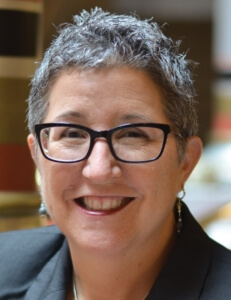
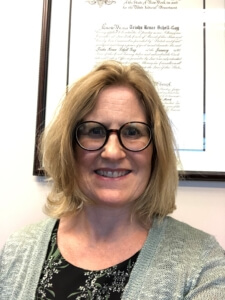








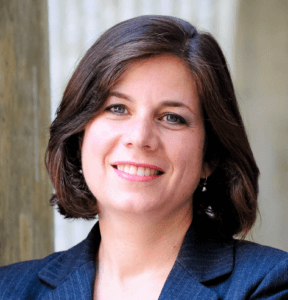











































Understanding Opioid Settlement Spending Plans across States: Key Components and Approaches
/in Opioid Center, Policy Featured News Home, Reports Opioid Use Disorder /by Sam Mermin, Rebekah Falkner and Katie Greene