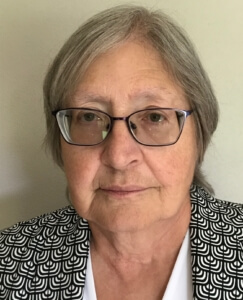
Aletha Maybank, MD, MPH recently joined the AMA in April 2019 as their inaugural Chief Health Equity Officer and Vice President. Her role is to embed health equity in all the work of the AMA and to launch a Center for Health Equity.
Prior to this in 2014, Dr. Maybank became an Associate Commissioner, and later a Deputy Commissioner, and lunched the Center for Health Equity, a new division in the NYC Department of Health and Mental Hygiene geared toward strengthening and amplifying the Health Department’s work in ending health inequities. Under her leadership, and in a short amount of time, the health department made great strides in transforming the culture and public health practice by embedding health equity in the health department’s work. This work has been recognized and adapted by other City agencies and has captured the attention of the CDC and WHO.
She also teaches medical and public health students on topics related to health inequities, public health leadership and management, physician advocacy, and community organizing health. Currently, Dr. Maybank serves as President of the Empire State Medical Association, the NYS affiliate of the National Medical Association. In 2012, she co-founded “We Are Doc McStuffins,” a movement created by African-American female physicians who are inspired by the Disney Junior character, Doc McStuffins.
Dr. Maybank holds a BA from Johns Hopkins University, an MD from Temple University School of Medicine, and an MPH from Columbia University Mailman School of Public Health. She is a pediatrician and board certified in Preventive Medicine and Public Health.
Lunch Plenary:
A Commitment to Advance Health Equity


 For individuals living with complex, often chronic conditions, and their families, palliative care can provide relief from symptoms, improve satisfaction and outcomes, and help address critical mental and spiritual needs during difficult times. Now more than ever, there is growing recognition of the importance of palliative care services for individuals with serious illness, such as advance care planning, pain and symptom management, care coordination, and team-based, multi-disciplinary support. These services can help patients and families cope with the symptoms and stressors of disease, better anticipate and avoid crises, and reduce unnecessary and/or unwanted care. While this model is grounded in evidence that demonstrates improved quality of life, better outcomes, and reduced cost for patients, only a fraction of individuals who could benefit from palliative care receive it.






























































State Financing and Delivery Innovations to Address Disparities in Uncontrolled Childhood Asthma
/in Policy Charts Behavioral/Mental Health and SUD, Care Coordination, CHIP, CHIP, Chronic and Complex Populations, Cost, Payment, and Delivery Reform, Eligibility and Enrollment, EPSDT, Health Coverage and Access, Health System Costs, Healthy Child Development, Maternal, Child, and Adolescent Health, Medicaid Managed Care, Medicaid Managed Care, Physical and Behavioral Health Integration, Population Health, Safety Net Providers and Rural Health /by Taylor Kniffin and Felicia HeiderThe high prevalence of uncontrolled asthma among child populations served by Medicaid programs and the associated rising costs often are the impetus for states to improve the quality of care provided to children with asthma. New opportunities to comprehensively address asthma and its triggers are emerging through state and national health care delivery system and […]
Chronic Pain Management Therapies in Medicaid: Policy Considerations for Non-Pharmacological Alternatives to Opioids
/in Policy Reports Behavioral/Mental Health and SUD, Chronic and Complex Populations, Health Coverage and Access, Long-Term Care, Medicaid Expansion, Medicaid Managed Care, Physical and Behavioral Health Integration /by Hannah Dorr and Charles TownleyAlthough most Medicaid agencies cover services that can be used as alternatives to opioids for pain management, significantly fewer states have policies or procedures in place to encourage their use. Between March and June 2016, the National Academy for State Health Policy (NASHP) conducted a survey of all 51 Medicaid agencies to determine the extent […]
Rhode Island Becomes the Latest State to Pass Opioid Legislation in 2016
/in Policy Rhode Island Blogs Behavioral/Mental Health and SUD, Care Coordination, Chronic and Complex Populations, Cost, Payment, and Delivery Reform, Health System Costs, Medicaid Managed Care, Medicaid Managed Care, Physical and Behavioral Health Integration, Quality and Measurement /by Charles TownleyOn June 28, 2016, Rhode Island Governor Gina Raimondo signed a series of bills to address opioid misuse and abuse in the state. Rhode Island is the most recent New England State to pass such legislation this year; the regional trend began in Massachusetts when Governor Baker signed omnibus legislation back in March. A summary […]
Enhancing Care Quality for Medicaid Beneficiaries Living with HIV/AIDS: New NASHP Case Studies
/in Policy New York, Wisconsin Behavioral/Mental Health and SUD, Care Coordination, Chronic and Complex Populations, Chronic Disease Prevention and Management, Cost, Payment, and Delivery Reform, Essential Health Benefits, Health Coverage and Access, Health System Costs, HIV/AIDS, Long-Term Care, Medicaid Managed Care, Medicaid Managed Care, Physical and Behavioral Health Integration, Population Health, Primary Care/Patient-Centered/Health Home, Safety Net Providers and Rural Health /by Chiara Corso and Rachel DonlonNASHP has written two case studies for HealthHIV’s Three D HIV Prevention Program, which is supported by the Centers for Disease Control and Prevention (CDC), and provides technical assistance to better inform programmatic decisions impacting the delivery of quality HIV prevention and treatment services: New York’s experience implementing performance metrics for the HIV/AIDS population in its Medicaid managed […]
Comprehensive Early Childhood Mental Health Systems to Improve Outcomes and Reduce Costs
/in Policy Illinois, Louisiana, Massachusetts, Minnesota, New York, Oregon Blogs Behavioral/Mental Health and SUD, Care Coordination, Children/Youth with Special Health Care Needs, CHIP, CHIP, Chronic and Complex Populations, Chronic Disease Prevention and Management, Eligibility and Enrollment, Health Coverage and Access, Healthy Child Development, Integrated Care for Children, Maternal, Child, and Adolescent Health, Medicaid Expansion, Medicaid Managed Care, Medicaid Managed Care, Physical and Behavioral Health Integration, Population Health /by Karen VanLandeghemNearly one in five Americans has some type of diagnosable mental health disorder. With these disorders costing $201 billion in 2013, behavioral health is a critical issue for state health policymakers. Children, including very young children, can experience mental health problems, and addressing these issues early can improve outcomes and lessen costs. Approximately 15 percent […]
Understanding Medicaid Claims and Encounter Data and their Use in Payment Reform
/in Policy Reports Chronic and Complex Populations, Cost, Payment, and Delivery Reform, Health Coverage and Access, Health IT/Data, Health System Costs, Medicaid Managed Care, Quality and Measurement /by NASHP WritersStates across the country are fully engaged in delivery system and payment reform efforts to improve care and lower costs in their Medicaid programs. Data is a critical component of these efforts. This NASHP brief provides an introduction to two types of Medicaid utilization data—fee-for-service claims data and managed care encounter data—and, based on examples […]
Braiding and Blending Funding Streams to Meet the Health-Related Social Needs of Low-Income Persons: Considerations for State Health Policymakers
/in Policy Reports Behavioral/Mental Health and SUD, Blending and Braiding Funding, Care Coordination, Chronic and Complex Populations, Cost, Payment, and Delivery Reform, Health Equity, Health System Costs, Medicaid Managed Care, Population Health, Quality and Measurement /by Lesa RairMedicaid beneficiaries often need support outside the scope of clinical health care in order to lead healthy lives, and states are uniquely poised to provide this support by addressing the social determinants of health. While states steward a variety of funding sources that address the needs of low-income populations, too often a Medicaid beneficiary must […]
Using Peers to Support Physical and Mental Health Integration for Adults with Serious Mental Illness
/in Policy Georgia, Kansas, Oregon Reports Behavioral/Mental Health and SUD, Chronic and Complex Populations, Chronic Disease Prevention and Management, Long-Term Care, Medicaid Managed Care, Physical and Behavioral Health Integration, Population Health /by Lesa RairPeople with mental illnesses use more resources and are more expensive to cover than Medicaid enrollees without these disorders. Moreover, the subset of adults with serious mental illness (SMI) has the highest per person cost of all disabled, non-dually eligible individuals enrolled in state Medicaid programs. Trained peer support specialists are well positioned to bridge the […]
State Delivery System and Payment Reform Map
/in Policy Maps Care Coordination, Chronic and Complex Populations, Cost, Payment, and Delivery Reform, Health System Costs, Medicaid Managed Care, Medicaid Managed Care, Physical and Behavioral Health Integration, Primary Care/Patient-Centered/Health Home, Quality and Measurement, Value-Based Purchasing Cost, Payment, and Delivery Reform /by NASHPIllinois: State Strategies to Enroll Justice-Involved Individuals in Health Coverage
/in Policy Illinois Behavioral/Mental Health and SUD, Chronic and Complex Populations, Health Coverage and Access, Medicaid Expansion, Medicaid Managed Care, Physical and Behavioral Health Integration /by NASHPPolicy and Process Changes State Legislation HB 1046, introduced in the 2013-2014 legislative session, specifically allows incarcerated individuals to apply for Medicaid prior to the date of their release. If these individuals are found to be eligible for Medicaid, they will be able to receive coverage after their release. In addition, the bill allows for […]