
NASHP’s 2015 Health Policy Year in Review
NASHP has long been a key health policy go-to for states, and 2015 was no different. It’s hard to believe it’s only been a year since I rejoined the organization. We began 2015 hearing from governors across the country calling for progress in reducing health care cost growth, discussing state based exchanges, improving behavioral health services, and proposing changes to Medicaid programs, investments in prevention, and drug treatment.
Adding to our robust work with children’s coverage, we worked with states as Congress deliberated the future of CHIP, documenting when states would run out of money and the long process required to close down the program had they not acted to extend the program for two more years. We also released a survey of CHIP directors. The current extension stimulates continued work to assure appropriate coverage for children in a volatile policy landscape.
Once again this year the fate of some key state health policy outcomes rested in the hands of the courts. We spent the first half of the year carefully watching the Supreme Court for an outcome on King v. Burwell. NASHP worked with states and reported what they might do in the event that a decision ended subsidies through the federally facilitated marketplace. Following the Court’s decision, NASHP quickly convened state leaders and national experts to examine and discuss implications for states even as that decision upheld the validity of the subsidies in the federally facilitated marketplace. As we end the year, the U.S. Supreme Court is deliberating over Gobeille v. Liberty Mutual, a case that could have a chilling effect on all payer claims data systems and the critical analysis regarding the costs and quality that they enable- if the court rules that self-insured employers need not provide data to those programs.
Working together with the State-based Marketplaces, as well as federally facilitated marketplace states, we have closely followed the open enrollment process, and monitored actions brought about by states. Through our State Refor(u)m work we developed our Medicaid Expansion map and continued to host a forum where state health policymakers can share and learn from one another as they continue ACA implementation. We have closely monitored and reported on state policy deliberations and emerging waiver proposals to extend Medicaid coverage. This year we also explored how states are using creative outreach strategies to connect people to coverage, such as enrolling justice-involved individuals in coverage. Additionally, we examined DSRIP programs as one state strategy to move toward value-based payments.
In October, nearly 800 state health policy leaders from all 50 states and the District of Columbia made the 28th Annual State Health Policy Conference the largest in our history, and, by their reports, one of the best. There we launched new work on the changing health care delivery system, the efforts to control health care costs and how states are incorporating efforts to support holistic policies that cut across health and social supports into their payment and delivery reform. Through learning collaboratives, our work addressed behavioral health needs including telehealth and privacy concerns. We have been contemplating with state leaders, the potential of 1332 waivers to make changes to certain ACA coverage programs and examined newly proposed regulations that appear to narrow the options some states had been brainstorming.
We look forward to working with all of you in 2016 to track and address the issues most important to states. We will continue to develop timely and informative pieces and will continue to rely on you to guide us in our policy and strategy so we can meet the needs of state health policymakers. I would value your thoughts and ideas about how NASHP can provide the most value to assist busy state leaders develop and achieve your health policy goals.
Happy New Year! We look forward to our work together in 2016!
Will There Be State Innovation Under Section 1332 Waivers?
Will there be state innovation under Section 1332 Waivers?
Since the ACA was enacted in 2010, a number of states have been looking at the law’s State Innovation Waiver, also known as Section 1332, as a way to reimagine the ACA’s approach to health insurance coverage. Apart from final rules issued in 2012 that focused on the process for application, timing and content of any waiver application, CMS had released little information about how Section 1332 would be interpreted, leading a number of states to dream big. However, the new guidance released on December 12 by the Departments of HHS and Treasury suggests states may have a harder time hitching their grand plans to Section 1332 waivers and leaves us wondering: will there be state innovation under Section 1332?
As a reminder for those who haven’t followed this as closely, Section 1332 allows states to request a waiver from any of the following four ACA coverage requirements: 1) the individual health coverage mandate; 2) the employer mandate; 3) benefit and subsidy requirements; or 4) use of exchanges and qualified health plans (QHPs) to enroll consumers into coverage. However, any waiver application must guarantee that the scope, comprehensiveness, and affordability of coverage will be comparable to that provided under current ACA rules and cannot increase the federal deficit. In addition, states are barred from waiving insurance market guaranteed issue or related rating rules. States are permitted to submit a single application for waiver of Medicaid, Medicare or other tax rules and the ACA requires the HHS and Treasury Secretaries to coordinate Section 1332 review with other waivers.
NASHP hosted a session on 1332 waivers at its annual conference in Dallas in October 2015. At the session, Deborah Bachrach of Manatt Health Solutions provided a detailed overview of 1332 waivers and offered some helpful hints for states considering them. State officials that participated on the NASHP panel illustrated the wide continuum of approaches states are considering, from precise changes to tinker and adapt the ACA coverage model to ideas that entirely reimagine coverage.
For example, Minnesota’s Medicaid agency and the Governor’s Health Care Finance Task Force has been considering Section 1332 as an option to help the state simplify the ACA’s eligibility requirements, increase volume for value-based purchasing approaches, provide additional subsidies to smooth premium and cost sharing cliffs between programs, align requirements for Medicaid and private managed care entities, or support financial sustainability of their state-based marketplace. By contrast, another state panelist suggested that 1332 waivers could allow states to access tax and Medicaid funds to support private, defined-contribution models of coverage. One example envisioned a state developing a new coverage model relying on Medicaid to fund the purchase of either employer-sponsored coverage (where offered) or individual market plans, with defined contribution health savings account or high-deductible health plan options to control costs. While not actively under consideration, the panelist suggested this more expansive approach to Section 1332 might appeal to some states that have not otherwise embraced the Medicaid expansion.
The new HHS and Treasury guidance may deter many states from pursuing more expansive ideas for Section 1332. By establishing a series of high benchmarks states must meet to get waiver approval, with a strong emphasis on ensuring that the vulnerable, low-income populations the ACA supported are protected, the guidance hews closely to the letter and spirit of the ACA but may make it harder for states to demonstrate compliance with new, innovative ideas. In brief, the rule creates three important hurdles for states seeking 1332 waivers: (1) substantive comparability standards; (2) deficit neutrality requirements; and (3) administrative capacity. (For a more detailed review of the new requirements, see Tim Jost’s excellent Health Affairs blog.)
Substantive Comparability. The new guidance sets minimum thresholds to determine whether the proposed 1332 waivers provide coverage that is comparable, affordable, and as comprehensive as that otherwise available under the ACA. For example, to meet the comparability requirement, states will have to demonstrate that they are covering a comparable number of individuals, that the coverage they are providing meets the minimum essential coverage (or an alternate standard), and ensure there is no adverse impact for all residents including the most vulnerable. To show affordability, states will need to demonstrate there’s no adverse impact on all forms of individual cost-sharing and that coverage meets an actuarial value of 60 percent, complies with ACA out-of-pocket limits, and meets Medicaid affordability requirements, taking into account employer contributions toward coverage and wages. Comprehensiveness of coverage will be measured by whether the benefits provided under a waiver program meet the essential health benefits (or Medicaid/CHIP, if appropriate) requirements, with focus on benefits provided to vulnerable groups. By sticking to the letter and spirit of the ACA’s requirements, the guidance ensures that state 1332 waiver proposals will need to mirror the ACA’s coverage footprint, which may be challenging for states to demonstrate prospectively for entirely new coverage arrangements.
Deficit Neutrality. The deficit neutrality test in the guidance requires states to take into account the full range of federal spending, including federal premium tax credits, cost-sharing reductions, small business tax credits, revenues from tax penalties on individuals or employers, the “Cadillac tax” on employers for high-cost plans and any changes in employment income or payroll that affect federal tax revenues. Federal spending for Medicaid will also be considered, but any cost-savings included in a Section 1115 waiver submitted as part of a 1332 waiver request will not count toward the deficit neutrality analysis (although Medicaid savings in a 1332 waiver can be considered). Pass-through funds that the state can use to fund its 1332 waiver will include federal spending for subsidies that would have otherwise been spent, but cannot access federal administrative cost savings. Also, the guidance states that any necessary waivers submitted with 1332 waivers will be considered “independently” by respective agencies, which also dashes states’ hopes for a more combined, coordinated approach that ensures a more holistic review at the federal level. Is is also unclear how and whether states will be able to make calculations about the prospective impact of their 1332 proposal on whether employers offer coverage or choose to alter the scope of benefits or wages.
Administrative Oversight. The guidance also clarifies that federal administrative support for state 1332 waiver implementation will be limited. Because the FFM and the IRS have limited capacity to administer customized approaches for calculating federal assistance, enrollment periods, and plan options, states seeking to implement 1332 waivers that want customization will have to use or build their own exchanges and tax systems to administer them. This sets a high bar for states that have not built their own exchanges already, given that they need to provide 21 months notice before implementing and that there are no longer federal funds available to support implementation of a state-based marketplace. For these reasons, this new guidance appears to reduce the likelihood that states participating in the federally facilitated marketplace (FFM) will be able to consider 1332 waivers.
The new federal guidance on Section 1332 waivers sets the bar high for states seeking to make changes. While consistent with ACA-supported policy, the new, more stringent standards for comparability and the administrative complexities of proving deficit neutrality and administering a new program may deter states with grand coverage plans from seeking 1332 waivers in the near term. At the same time, states with more modest administrative goals that fit within the ACA framework and already have administrative structures in place (e.g., Minnesota, Massachusetts, possibly Hawaii) may not be deterred.
Section 1332 remains an option and opportunity for state innovations to improve on the ACA. Whether and how more states will use this option in 2016 is still an open question. NASHP will continue to track and report on this as state innovation unfolds.
Health Care Cost Institute Emerging Uses of Claims Data
Date: Thursday, Dec 3, 2015
The first of a two-part webinar series highlighting new research from the Health Care Cost Institute (HCCI)-NASHP State Health Policy Grant Program, this webinar focuses on the impact of three state policies that promote alternative providers or methods of treatment: nurse practitioner scope of practice laws, open access to physical therapy, and telehealth options. These are three of six research projects funded under the State Health Policy Grant Program, a Laura and John Arnold Foundation-funded initiative that leverages national claims data to inform state health policy questions.
Speakers include:
- NASHP Executive Director Trish Riley, moderator
- Scott Leitz, HCCI’s Vice President of Stakeholder Engagement
- Bianca Kiyoe Frogner, PhD is an Associate Professor and health economist in the Department of Family Medicine in University of Washington’s School of Medicine.More...Dr. Frogner is also the Director of the Center for Health Workforce Studies. Dr. Frogner’s has published several articles, reports and book chapters on topics including health care spending, health insurance coverage, international health systems comparisons, and health workforce patterns. Currently, she is principal investigator on a project funded by the Health Care Cost Institute to investigate the impact of state access to physical therapy on healthcare utilization and costs.
- Ulrike Muench is an Assistant Professor in Social and Behavioral Sciences in the School of Nursing at the University of California San Francisco. More...Dr. Muench is an interdisciplinary health services researcher at the intersection of nursing, health policy, and healthcare economics. Her research interests include the healthcare workforce, applied health care economics, roles of nurses and nurse practitioners, comparative health care systems, and patient outcomes. She is currently the principal investigator on a study evaluating prescribing behaviors and outcomes of nurse practitioners and primary care physicians in Medicare beneficiaries as well as for a study funded by the Health Care Cost Institute that examines the impact of state scope of practice laws on medication adherence.
- Fernando A. Wilson is Associate Professor and Graduate Program Director with the College of Public Health at the University of Nebraska Medical Center. More...Dr. Wilson earned his PhD in economics from the University of Chicago and BA in economics from the University of Texas at Austin. His research interests include economic evaluation, telehealth, and immigration disparities. Currently, he is principal investigator on a project funded by the Health Care Cost Institute to monitor the impact of state telehealth policies on healthcare utilization and costs.
HCCI Emerging Uses of Claims Data Webinar Part II
Date: Wednesday, Dec 9, 2015
Time: 3:30-5pm EST
View Webinar Here
Download Webinar Slides
Part II: Join us for the second of a two-part webinar series highlighting new research from the Health Care Cost Institute (HCCI)-NASHP State Health Policy Grant Program, an initiative that leverages national claims data to inform state health policy questions. This webinar will focus on how external policies effect state health care markets, including findings looking at how provider consolidation, reference-based pricing initiatives, and the Mental Health Parity Addiction Equity Act may impact states.
Speakers include:
- NASHP Project Director Maureen Hensley-Quinn, moderator
- Scott Leitz, HCCI’s Vice President of Stakeholder Engagement
- Dr. Rena Conti, University of Chicago Professor More...Dr. Rena Conti is an Assistant professor of health policy and economics at the University of Chicago. She has specific expertise in estimating the intended (and unintended) consequences of policies that aim to increase quality of medical care and reduce spending in the United States using big data. Her recent publications examine the demand for, supply of and pricing of prescription drugs.
- Dr. Christopher Whaley, University of California at Berkeley Research Economist More...Christopher Whaley is a Research Economist at the School of Public Health at the University of California Berkeley. He received his PhD in Health Services and Policy Analysis with a concentration in Health Economics from UC Berkeley in 2015. His research interests include price transparency and consumer information, health insurance plan design, and provider competition.
- Dr. Lynn Vanderwielen, University of Colorado School of Medicine Assistant Professor More...Dr. VanderWielen is a health services researcher with expertise in public health programing and health equity. Her work explores mental health disparities and initiatives aimed to improve access, quality, and equity of care among underserved populations. She is an Assistant Professor in the Department of Family Medicine at the University of Colorado and a Senior Evaluator at the Mental Health Center of Denver.
Population Health Components of State Innovation Model (SIM) Plans: Round 2 Model Testing States
The Round Two State Innovation Model (SIM) Test Awards granted by HHS to eleven states (Colorado, Connecticut, Delaware, Idaho, Iowa, Michigan, New York, Rhode Island, Ohio, Tennessee, and Washington) support state efforts to build multi-payer models of health system transformation. As noted in a previous analysis, population health improvement is an important component of the SIM awards. The SIM Funding Opportunity Announcement (FOA) required states to describe how their models would improve population health in a number of areas, including prevention, health equity and the social determinants of health, rates of obesity and diabetes, and healthy behaviors, including reduced tobacco use. The FOA also required states to incorporate new delivery system models into their population health improvement plans.
This chart contains population health strategies, as defined by the states, that the states plan to implement through their SIM Round Two Model Test initiatives. The information in the chart is derived from the states’ proposals and other documents that you will find linked in the text below. Information on the population health components of the Round One SIM Model Test Awards can be found in our previous SIM population health chart. Please note that because the information in these charts was abstracted from early documents, we anticipate that this information may change as the states implement their models.
We encourage our community to share and discuss more details, ideas, issues and emerging products and results on State Refor(u)m. Do you know of state activity or analyses that we should add to this chart? Eager to update a fact we’ve included? Your contributions are central to our community’s ongoing, real-time learning, so tell us in a comment below, or email aclary@oldsite.nashp.org with your suggestions.
We encourage our community to share and discuss more details, ideas, issues and emerging products and results on State Refor(u)m. Do you know of state activity or analyses that we should add to this chart? Eager to update a fact we’ve included? Your contributions are central to our community’s ongoing, real-time learning, so tell us in a comment below, or email aclary@oldsite.nashp.org with your suggestions.
| Population Health Objectives in the Model | Strategies in the Model to Address Social, Economic, and Behavioral Determinants of Health and Health Equity | Engaging and Integrating Community Health and Prevention into Delivery System and Payment Reform Models | Population Health Metrics Used in Model | Strategies in the Model to Integrate Primary Care and Mental Health and Substance Abuse Disorder Services | |
|---|---|---|---|---|---|
| Colorado | Colorado seeks to improve population health by establishing a close partnership between public health, behavioral health, and primary care, and prioritizing ten population health focus areas including obesity, substance use, and mental health (SIM p.1). | Colorado state agencies are collaborating to address the social determinants of health using a “life stages” approach to targeting resources. The plan will include data collection on disparities in tobacco use, diabetes, and obesity (SIM p. 2, 11, 62). | Colorado will examine the possibility of long-term reimbursement models for population-based prevention and wellness services (SIM p. 25).Population Health Transformation Collaboratives made up of community health leaders will work with the state’s new Health Extension Service on local community health initiatives (SIM p. 4-5, 10). Targeted local public health agencies will receive funding for community prevention activities and to link practices, community resources, and public health (SIM p. 2). | Colorado will collect data on the progress in 12 core population health target areas:hypertension, obesity, tobacco use, prevention, asthma, diabetes, ischemic vascular disease, safety, depression, anxiety, substance use, safety, and child development (SIM p. 7-8). | The program’s shared risk and savings payment model will incentivize integrated physical and behavioral health services (SIM p. 2, 12-13, 23). A child mental health coordinator will develop prevention and early intervention programs for mental health challenges in children (SIM p. 5-7). |
| Connecticut | Connecticut plans to strengthen primary care and integrate community and clinical care. It also aims to improve prevention and screening, including mental health and substance abuse screening, and chronic illness management (SIM p. 1; 22-23). | Connecticut will convene a multi-sector Population Health Council tasked with setting priorities for health improvement areas, focusing on the barriers most likely to contribute to health disparities. The Health Enhancement Communities initiative focuses resources on the areas of the state with greatest disparities and will include payment incentives to address social determinants of health (SIM p. 2-3). The Equity and Access Council watches for under-service that may result from shared savings incentives. | Connecticut plans to develop sustainable Prevention Service Centers (PSCs) that will offer community-based preventive services. Reimbursement for Community Health Workers (CHWs) may also be part of the plan (SIM p. 2-3; 8). The state will also augment its use of Value-Based Insurance Design (VBID) and shared savings programs to incentivize prevention, health improvement, and management of chronic diseases (SIM p. 8, 12). | Connecticut will report measures for statewide population health targets including tobacco use, obesity, and diabetes (SIM p. 25). The plan also includes quality targets on preventive screenings, asthma, and premature death from cardio-vascular disease. The state will monitor equity gaps on core measures and select areas for improvement (SIM p. 26-28). | The model will complement the state’s existing Behavioral Health Home initiative, which coordinates physical and mental healthcare for Medicaid recipients with serious and persistent mental illness (SIM p. 29). |
| Delaware | Delaware aims to integrate population health with value-based payment models. It seeks to attribute every patient to a primary care provider (PCP) who is incentivized to address population health issues (SIM p. 1-8). | Delaware emphasizes cross-agency collaboration as part of its strategy to address social determinants of health. Also, as part of its Healthy Neighborhoods strategy, the Delaware Division of Public Health (DPH) will support staff health equity training (SIM p. 5-6). | Delaware’s Healthy Neighborhoods strategy seeks to enlist schools, employers, and community organizations in changing health behaviors. The plan will support a multi-stakeholder community coalition focused on identifying and addressing health needs (SIM p. 1-6). | The proposed population health metrics include measures related to smoking; nutrition; physical activity; prevalence of hypertension, obesity, and diabetes; cancer deaths per 100,000; heart disease deaths; 30-day post-PCI mortality rate; and infant mortality (SIMp. 37). | Delaware’s model will focus on providing team-based, integrated physical and behavioral health care for high-risk patients, including by providing incentives for EHR use to behavioral health providers. It will complement the existing PROMISE program that coordinates care for beneficiaries with mental illness. |
| Idaho | Idaho will develop a plan to improve population health by integrating population health with primary care and the healthcare delivery system through the use of Patient-Centered Medical Homes (PCMHs) covering 80% of the population (SIM p. 2-4). | Idaho is also planning a virtual PCMH telehealth initiative to serve remote communities. The state’s seven public health districts will also form Regional Collaboratives to integrate public and physical health locally to improve access to care. Idaho will collect data on the social determinants of health as part of a statewide health assessment. | PCMH providers will be allowed to practice at the top of their license to ameliorate workforce shortages. Telehealth initiatives and models for using CHWs and community health emergency medical services personnel in health promotion will also be explored (SIM p. 5-6). | Idaho will use the following population health performance measures to monitor the success of the Model Test: depression, tobacco use, asthma ED visits, hospitalizations, hospital readmissions, avoidable ED use without hospitalization, elective deliveries, low birth weight, adherence to antipsychotic meds for people with schizophrenia, weight counseling for children and adolescents, diabetes, childhood immunizations, adult BMI, and rate of prescribed opioid use for non-cancer pain. Idaho will also collect data on costs and patient experience of care (SIM p. 22-23). | PCHMs will coordinate care with Medical Neighborhoods of ancillary providers, including behavioral health providers. The state’s multi-payer common performance measures include screening for depression, adherence to antipsychotics for people with schizophrenia, and rates of prescribed opioid use for non-cancer pain. |
| Iowa | Iowa will build upon its existing ACO model to improve performance in six population health priority areas, including tobacco use, obesity, prevention and health literacy (SIMp. 1-3). The state’s plan also seeks to use ACOs to integrate public health providers with acute care delivery systems. | Iowa will provide support and technical assistance to encourage ACOs to develop workforce models, including telehealth, that address provider shortages and reduce the disparities between rural and urban areas (SIM p. 1). New Community Care Teams will connect ACOs with social services and local public health resources to address social determinants of health. Value-based payments will also incentivize ACOs to address the social determinants of health (SIM p. 12-15). | Iowa’s model seeks to expand care delivery into the community setting, and will track communities’ progress on population health initiatives. Community Care Teams will integrate public health and local ACOs to improve outcomes, and will facilitate connections with non-ACO providers (SIM p. 12-13). | Iowa will measure progress in six population health target areas: reducing tobacco use, obesity, hospital-associated infections, and early elective deliveries; and improving patient engagement and health literacy, including diabetes self-management (SIM p. 3-5). | Iowa will continue to incorporate behavioral health providers into its ACO structures, including the use of integrated health homes for individuals with mental illness (SIM p. 7-11). |
| Michigan | Michigan plans to improve wellness and reduce health risks on a population level through the use of Community Health Innovation Regions. PCMHs and integrated care networks called Accountable Systems of Care are also key elements (Blueprint p. 4-6). | Michigan is considering payment models that incentivize efforts to address social & environmental determinants of health. They are also planning greater use of and support for Community Health Workers to help reduce disparities (Blueprint p. 10-11, 37-41, 131-135). | Michigan’s Community Health Innovation Regions will work with local public health and cross-sector partners to engage patients and community members in wellness and health promotion activities. Michigan will also explore sustainable financing models for population-level prevention and wellness efforts. Michigan will also seek to allow providers to practice at the top of their license and training to increase access to primary care (Blueprint p. 4-5, 10, 132, 157). | Michigan’s plan includes monitoring access to primary care, clinical quality, patient experience of care, utilization, and other measures from the Michigan Health and Wellness dashboard, including measures related to birth outcomes and teen birth rates, obesity, alcohol consumption, nutrition, physical activity rate, tobacco use, dental health, mental health, STDs (Blueprint p. 72-75; p. 146-151). | Michigan plans to integrate behavioral health providers into person-centered health care teams. (Blueprint p. 126-127). |
| New York | New York’s plan has five primary population health goals:1. Prevent Chronic Disease2. Promote Healthy and Safe Environments 3. Promote Healthy Women, Infants and Children 4. Promote Mental Health and Prevent Substance Abuse; and 5. Prevent HIV, STDs, Vaccine-Preventable Diseases and Healthcare Associated Infections (SIM p. 1). |
New York’s plan will support population health, preventive services, and integrated behavioral primary care through its advanced primary care medical home model, and through the use of SIM-funded public health consultants and practice transformation teams (SIM p. 1-2). | New York aims to pay for 80% of advanced primary care under a value-based payment model. Further, the project’s Public Health Consultants will also connect the community with public health and clinical resources (SIM p. 2-3). The state will also work to ensure that providers are practicing at the top of their license to improve access to care. | The project, including the advanced primary care model, will be evaluated according to an evolving statewide set of industry-standard quality and efficiency metrics, which includes progress toward prevention and public health goals (SIM p. 20-21). | New York will focus on integrating primary and behavioral health care, and will convene a workgroup to analyze gaps in behavioral health services and make recommendations. Initiatives supported by the new Public Health Consultants may include tobacco cessation for people with mental illness and other efforts to address mental illness and substance abuse disorders (SIM p. 2, 4,7). |
| Ohio | Ohio plans to target the prevention or reduction of obesity, chronic disease, tobacco use and exposure, and infant mortality; and plans to expand patient-centered primary care (SIM p. 5). | Ohio is testing ways to share data to improve population health, such as building on its current ability to use vital statistics data to indicate when a mother or infant may be at risk of poor health outcomes (SIM p. 6). | Ohio’s episode-based payment model and statewide use of PCMHs are intended to incent providers to work with community-based and public health resources to address social determinants of health (SIM p. 12). | Ohio’s SIM outcome metrics will include population health measures such as flu immunization and tobacco use, as well as care coordination and chronic conditions measures. Measures will be aligned across quality initiatives (SIM p. 24-28). | Ohio merged the formerly separate departments overseeing mental health and substance use disorders. The state is focused on integrated, person-centered care and care coordination for Medicaid beneficiaries with mental illness and other populations (SIM p. 5). |
| Rhode Island | With the help of community leaders, Rhode Island will develop a population-based plan that responds to the results of community health assessments, and continues efforts to reduce tobacco use and obesity and improve diabetes care management (SIM p. 4; SHIPp. 80-87). | Rhode Island will work with the community to develop community-driven goals for the healthcare system, and use Community Health Teams to help community organizations coordinate with primary care practices to support healthy lifestyles and address the social and environmental determinants of health and health disparities (SHIP p. 69, 75; SIM p. 4-5). | Rhode Island will rely on input from community-based leadership to guide the transformation of Rhode Island’s care delivery system, which will emphasize primary care and patient-centered medical homes, with Community Health Teams focusing on rising-risk and high-risk populations (SIM p. 4-5, 8; SHIP p. 63, 100). | Increasing prevention activities, statewide quality measurement and patient engagement tools are included in Rhode Island’s plan (SHIP p. 73-74), as are reducing over-utilization of unnecessary services, increasing screening and prevention, reducing health disparities, and renewing focus on the social determinants of health, among other aims (SHIP p. 94, 110). | Rhode Island will build on current efforts to integrate behavioral health and primary care through the use of health homes and co-location (SHIP p. 90; SIM p. 8). |
| Tennessee | Tennessee seeks to improve population health in five priority areas: obesity, diabetes, tobacco, child health, and perinatal health (SIM p. 2, 13). | PCMH providers will be incentivized to address social determinants of health through activities such as addressing environmental asthma triggers, tobacco cessation, and connecting patients to social services (SIM p. 4). Tennessee’s project will also facilitate the sharing of real-time hospital Admitting/ Discharge /Transfer (ADT) data with primary care providers and care coordinators to analyze gaps in care and prioritize resources for the most at-risk patients. | Tennessee plans a population-based, multi-payer patient-centered medical home initiative that will incentivize prevention and primary care. PCMHs will be evaluated on outcomes such as preventing avoidable ED visits and hospitalizations, controlling diabetes and high blood pressure, and screening for depression (SIM p. 22). | At minimum, Tennessee will measure the program’s impact on rates of child immunization, self-reported health status, tobacco use, obesity, and the proportion of diabetics with 2 or more A1C tests in the past year (SIM p. 25-26). | Tennessee will integrate its SIM funding and Health Homes initiative to provide integrated, value-based “behavioral and primary care services for people with Severe and Persistent Mental Illness (SPMI)” (SIM p. 7). |
| Washington | Washington plans to reduce tobacco use, obesity and diabetes, and increase the portion of the population who receive clinical and community services that reduce preventable conditions (SIM p. 5-6). | Washington will implement regional Accountable Communities of Health (ACH) to integrate the delivery of social services and healthcare services. ACHs will work across sectors, aligning housing, education, local government and the private sector to advance population health and address the social determinants of health (SIM p. 2, 6). Washington also plans to increase the number of communities with environments that promote physical and behavioral health and health equity (SIM p. 5). | Washington plans to engage “individuals, families, and communities” in a system that “supports social and health needs,” as well as improve the health of 90% of Washington residents and their communities by 2019 through prevention and early mitigation of disease (SIM p. 5, 26). | Washington will develop a statewide set of core measures that includes tobacco use, obesity and diabetes (SIM p. 6). It will also incorporate the “Results Washington”performance targets, including children’s vaccination rates, reducing preterm birth and cesarean section rates, increasing the number of residents with a personal healthcare provider, and increasing rates of services for post-discharge mental health consumers (SIM p. 27). | By 2020, Washington will require integrated physical and behavioral healthcare purchasing (SIM p. 10-11). |
Download PDF
Notes:
Chart produced by Amy Clary
Chart produced by Amy Clary
Highlights from the Behavioral Health Preconference: It’s All about Collaboration
On October 19th in Dallas, NASHP brought together a diverse group of state and federal Medicaid and mental health leaders to talk about emerging issues in the world of mental health, substance use, and recovery. True to its title, the pre-conference session “Whole Person Care: Finding Shared Solutions Across Mental Health, Substance Use, and Medicaid to Promote Recovery” highlighted how state policymakers are working across agencies and system silos to improve care and reduce cost for Medicaid enrollees with substance use and/or mental health disorders. Highlights on the theme of collaboration include:
- Arizona’s Medicaid agency, the Arizona Health Care Cost Containment System (AHCCCS) has worked closely with its Division of Behavioral Health Services to integrate physical and behavioral health services through that state’s 1115 waiver. Starting with Maricopa County and now expanding statewide, the AHCCCS is building a comprehensive, integrated service system that addresses the mental health, substance use, physical and social service needs of enrollees with serious mental illness. Reflecting this direction, the state is also in the process of merging the Division of Behavioral Health Services with the AHCCCS.
- Ohio’s Department of Mental Health and Addiction Services partnered with its Department of Medicaid to transition individuals under the age of 60 with mental illness from nursing home to community settings. The state partnership enabled Ohio to reinvest resources in the community toward transportation, housing and employment services; 348 Ohioans have benefitted from this effort since its inception in 2014.
- The Massachusetts Behavioral Health Partnership/Beacon Health Options (MBHP), which manages behavioral health for residents in the Massachusetts Medicaid program, MassHealth, partnered with the Massachusetts Housing and Shelter Alliance to implement a low-barrier housing and supports program for chronically homeless MassHealth members with mental health and/or substance use disorders. Through the state’s 1115 waiver, MBHP provides flexible community support services designed to meet the needs of people with behavioral health disorders who have struggled to maintain permanent housing. The Community Support Program for People Experiencing Chronic Homelessness (CSPECH) saves an estimated $10,000 per member annually and to date has served over 600 individuals.
- Connecticut’s Department of Mental and Addiction Services, working closely with its Department of Corrections, has developed an extraordinary array of programs and services at the intersection of mental health, substance use, and corrections. The state has developed cost effective programs for women, veterans, and individuals with substance use and/or mental health issues, as well as crisis and day support programs that help divert people with behavioral health needs away from the corrections system and into appropriate treatment programs.
Participants at the meeting agreed that cross-agency collaboration is critical in addressing the needs of Medicaid enrollees with behavioral health issues, who very often have complex needs and face barriers accessing services and supports from multiple systems. A few key takeaways and tips from the discussion:
There’s something in it for everyone: Medicaid, mental health, corrections, and other state agencies all have something to gain by collaboration, and opportunities to promote common interests abound: Medicaid agencies cannot address the needs of new expansion populations without mental health at the table; mental health and corrections policymakers have a clear alignment in assisting individuals with behavioral health needs both pre- and post-corrections involvement. Complex federal requirements, such as Olmstead community integration, span the purview of multiple agencies and call for a collaborative approach.
Look for critical issues and easy wins: State behavioral health policymakers often have trouble getting Medicaid to the table given the breadth of Medicaid’s responsibilities. Attendees noted that identifying small projects in areas of common concern can help to create some easy wins and forge successful relationships. Rather than major systems change, think pilot projects or joint contracting. Connecticut, for example, started its jail diversion work through a pilot program; data from that program fostered the spread of these services statewide.
Take a person-centered approach: Looking at service needs from the individual perspective can help state policymakers identify key partners. Create fictional profiles of users of various systems to better understand the barriers individuals and families face in accessing silo’d services and supports. Use these profiles to identify critical partners based not on what your agency does, but what a typical user of your system might need.
Leadership and commitment is vital: state policymakers emphasized that the culture of collaboration is bolstered by clear direction from the top, and that this collaboration takes time and effort. State policymakers – in Medicaid, mental health, and other agencies noted that leaders who can set the tone, build relationships, and stick with it are essential.
Start talking: State leaders advised convening cross-agency work groups – even if you are not quite sure what you are going to do yet. Identify areas of overlap and potential arenas for action and/or shared resources. Developing the infrastructure for collaboration can also help counteract the impact of turnover in leadership and administrations.
A complete set of slides and other resources from the NASHP pre-conference session are available here.
Incorporating Delivery System Reform Incentives into Medicaid Waivers: State and Federal Perspectives
Date: Monday, November 23, 2015
States are increasingly exploring Delivery System Reform Incentive Payment (DSRIP) and DSRIP-like programs as a mechanism to incentivize system transformation and quality improvements in hospitals and other providers that serve high volumes of low-income patients. Operating under the authority of Section 1115 demonstration waivers, DSRIP programs provide states with a unique opportunity to redesign delivery systems and increase capacity for population health management within the context of state needs and goals. This webinar features federal and state speakers who will discuss the opportunities and challenges for incorporating DSRIP or DSRIP-like programs into 1115 demonstrations and potential areas for ensuring alignment of federal and state approaches. Participants hear from the director of the newly created State Demonstrations Group within CMS followed by speakers from New York and Oregon, who share the unique approaches their states have taken to adapt the DSRIP model to support ongoing delivery system reform.
Speakers:
- Eliot Fishman, Director of the State Demonstrations Group, Center for Medicaid and CHIP Services (CMCS), CMS
- Greg Allen, Director, Division of Program Development and Management, Office of Health Insurance Programs, New York State Department of Health
- Lori Coyner, Director of Accountability and Quality, Oregon Health Authority
Moderator:
- Trish Riley, Executive Director, NASHP
Improving Access and Building Behavioral Health Capacity Through Telehealth and Teleconsultation: Lessons from Mississippi and New Mexico
Date: November 18, 2015
Time: 3:00-4:00pm
View Webinar Here
Download Webinar Slides
Workforce shortages and other resource constraints directly impact access to behavioral health care. In recent years, states have increasingly turned to telehealth and teleconsultation programs to build provider capacity and increase access for bothbehavioral and physical health services. Although more research is required, early evidence indicates that these programs result in equal or better care when compared to traditional in-person services and may result in cost savings. During this webinar, attendees hear from leaders from two nationally-acclaimed programs, including the Center for Telehealth at the University of Mississippi Medical Center and Project ECHO. Discussion includes overviews of each program, including identification of best practices, lessons learned, and key takeaways for state policymakers. Audience Q&A follows.
Moderator:
- Pamela Riley, MD, Assistant Vice President, Delivery System Reform, The Commonwealth Fund
Speakers:
- Kristi Henderson, DNP, Chief Telehealth & Innovation Officer, University of Mississippi Medical Center
- Miriam Komaromy, MD, Associate Director, Project ECHO
This webinar is supported by The Commonwealth Fund.
For more information on this topic, please see the following issue brief.
Corrections and Medicaid Partnerships: Strategies to Enroll Justice-Involved Populations
Date: November 17, 2015
Time: 3:00-4:00pm EST
View Webinar Here
Download Webinar Slides
Many individuals involved in the criminal justice system are now eligible for Medicaid in states that expanded the Medicaid program under the Affordable Care Act. Health coverage can provide individuals who are leaving incarceration with access to physical and behavioral health services critical to their successful reentry into the community. In some states, correctional agencies have partnered with Medicaid agencies to implement procedures to begin the Medicaid application process as individuals are nearing their incarceration release dates. This webinar features three states—Colorado, New Mexico and Wisconsin—that have initiated efforts to enroll justice-involved individuals in health coverage and explores some of the following questions:
- How are states developing procedures to enroll justice-involved individuals in Medicaid, and what types of policy or process changes have they implemented?
- What specific assistance is provided to incarcerated individuals who are enrolling in health coverage and how are applications processed?
- What strategies have been most successful for states, and what are some of the operational challenges that states are in the process of addressing?
- What types of interagency partnerships and coordination are needed to facilitate the enrollment of justice-involved individuals?
- How are states promoting access to care for the justice-involved population upon their release from incarceration?
Toolkit: State Strategies to Enroll Justice-Involved Individuals in Health Coverage
Executive Summary
Under the Affordable Care Act (ACA), many individuals involved in the criminal justice system are now eligible for Medicaid, including many young, low-income males who did not previously qualify. More...
States confront considerable costs associated with addressing the complex health care needs of individuals involved in the criminal justice system—in fiscal year 2011, states spent $7.7 billion on correctional health care.[1] Health insurance options available through the ACA offer new opportunities to enroll individuals involved in the criminal justice system into coverage and provide access to physical and behavioral health services critical to their successful reentry into the community. Additionally, states and localities have the potential to benefit from cost savings from enrolling this population in health coverage because of possible reductions in uncompensated care costs and the potential for reduced recidivism rates.
Of the approximately 10 million individuals released annually from prisons or jails, 70 to 90 percent are estimated to lack health insurance.[2] Without health coverage, these individuals are much less likely to receive the services or treatment they need to improve and maintain their health and well-being. Lacking coverage and a regular source of care, these individuals may seek treatment in hospital emergency departments, which shifts health care costs to states and localities. Additionally, for individuals with mental illness or substance use disorders in particular, a lack of access to health care is correlated with increased recidivism rates.[3]
Although individuals are not permitted to receive Medicaid benefits while incarcerated, Medicaid enrollment processes can begin prior to an individual’s release from incarceration. In some states, prisons and jails have taken steps to implement procedures to begin the Medicaid application process as individuals are nearing their incarceration release dates. NASHP conducted a series of interviews with state officials and found strategies states are using that have made these efforts successful:[1] The Pew Charitable Trusts and the John D. and Catherine T. MacArthur Foundation, State Prison Health Care Spending: An Examination, July 2014.
Of the approximately 10 million individuals released annually from prisons or jails, 70 to 90 percent are estimated to lack health insurance.[2] Without health coverage, these individuals are much less likely to receive the services or treatment they need to improve and maintain their health and well-being. Lacking coverage and a regular source of care, these individuals may seek treatment in hospital emergency departments, which shifts health care costs to states and localities. Additionally, for individuals with mental illness or substance use disorders in particular, a lack of access to health care is correlated with increased recidivism rates.[3]
Although individuals are not permitted to receive Medicaid benefits while incarcerated, Medicaid enrollment processes can begin prior to an individual’s release from incarceration. In some states, prisons and jails have taken steps to implement procedures to begin the Medicaid application process as individuals are nearing their incarceration release dates. NASHP conducted a series of interviews with state officials and found strategies states are using that have made these efforts successful:
- Identifying simple and streamlined ways to integrate Medicaid enrollment procedures with existing correctional institution processes, such as incorporating enrollment efforts into existing discharge planning activities or centralizing application processing functions
- Developing strong partnerships between state Medicaid agencies and correctional authorities to support enrollment efforts, characterized by effective communication and backing from organizational leadership
- Implementing flexible approaches that can be adapted and improved over time, such as moving from a paper Medicaid application for incarcerated individuals to an electronic process
Implementing processes to enroll justice-involved individuals in health coverage on a large scale is a new endeavor for states and their efforts are in the early stages. Given this, many states are currently working through various policy and operational challenges. For example, some state officials noted the challenge of identifying an individual’s specific release date, especially for the jail population. However state officials reported that overall they viewed these efforts as successful considering the large number of enrollments that have occurred.
For detailed information on selected states’ efforts to enroll justice-involved individuals in health coverage, click through the toolkit below.
[1] The Pew Charitable Trusts and the John D. and Catherine T. MacArthur Foundation, State Prison Health Care Spending: An Examination, July 2014.
[2] The Council of State Governments Justice Center. Medicaid and Financing Health Care for Individuals Involved with the Criminal Justice System. December 2013.
[3] The Council of State Governments Justice Center. Medicaid and Financing Health Care for Individuals Involved with the Criminal Justice System. December 2013.
Health insurance options available through the Affordable Care Act (ACA) offer new opportunities to enroll individuals involved in the criminal justice system into coverage and provide access to physical and behavioral health services critical to their successful reentry into the community. Many individuals involved in the criminal justice system are now eligible for Medicaid under the ACA, including many young, low-income males who did not previously qualify for Medicaid.
With one exception
Federal law explicitly prohibits the use of federal Medicaid funds to pay for the medical care of incarcerated individuals, resulting in state and local correctional agencies covering these costs. One important exception to this restriction is when an incarcerated individual is admitted to an inpatient facility for at least 24 hours. The Department of Health and Human Services has indicated these inpatient services include admittance to a hospital, nursing facility, juvenile psychiatric facility, or intermediate care facility. In these cases, federal Medicaid funds can be used to cover the cost of inpatient health care services.
State and local correctional authorities in some states have established processes to bill Medicaid for qualifying inpatient events. As the ACA allows for a greater number of justice-involved individuals to be eligible for Medicaid coverage, implementing these procedures has helped reduce correctional health care costs for some states.
, federal law prohibits using federal Medicaid funds to pay for medical care provided to incarcerated individuals. However, Medicaid enrollment processes can begin prior to an individual’s release from incarceration, as there is no federal prohibition on incarcerated individuals being enrolled in Medicaid[1] and federal law requires states to permit individuals to apply for the program at any time.[2]State and local correctional authorities in some states have established processes to bill Medicaid for qualifying inpatient events. As the ACA allows for a greater number of justice-involved individuals to be eligible for Medicaid coverage, implementing these procedures has helped reduce correctional health care costs for some states.
Drawing on interviews with state officials, this toolkit highlights the efforts of selected states to enroll in health coverage individuals involved with the criminal justice system. The toolkit is designed to provide state officials with actionable information about policies and practices available to connect justice- involved individuals to health care coverage through Medicaid.
Methods
This toolkit does not provide a comprehensive examination of all states and their efforts to enroll this population in health coverage. Rather, it features information about efforts to enroll justice-involved individuals in seven states chosen for their varying enrollment strategies, as well as political and geographic diversity. The states include: Colorado, Illinois, New Mexico, Ohio, Rhode Island, Washington and Wisconsin. NASHP conducted telephone interviews with state officials from both Medicaid agencies and corrections departments from February to September of 2015. In all but one state, agency representatives were interviewed separately.[3]
[1] State Medicaid Director Letter from Glenn Stanton, Acting Director of the Disabled and Elderly Health Programs Group, Center for Medicaid and State Operations, Centers for Medicare and Medicaid Services (May 25, 2004).
[2] 42 U.S.C. § 1396(a)(8)
[3] One exception for Illinois was that only one interview was conducted, with a state official from Governor Pat Quinn’s office.
For many states, enrolling justice-involved individuals in health coverage requires implementing new policies and procedures or modifying existing processes and rules. This section of the toolkit highlights how states instituted changes to policies and operations to facilitate the enrollment of incarcerated individuals prior to their release from correctional facilities. State officials noted the importance of beginning the application process prior to individuals’ release dates to increase the likelihood they will reenter the community with health coverage in place.
Policy Changes
Nearly all of the states interviewed for this project implemented some type of policy change, including enacting new state laws, amending Medicaid state plans or contracts with insurers, or developing new interagency agreements to support initiatives to enroll justice-involved individuals in health coverage. While it is permissible under federal law for individuals to enroll in Medicaid while incarcerated, some states have implemented these policies to reinforce their enrollment initiatives. The following descriptions provide state-specific examples of these kinds of policy changes. In some instances, states also made process changes that did not require a policy change in order to implement these enrollment efforts. See the changes in processes implemented by states to integrate health coverage enrollment procedures into correctional facilities.
State Legislation
 Colorado: In 2008, the state legislature passed and the governor signed SB08-006, which allows for the suspension of Medicaid benefits upon incarceration (see Title 25.5-4-205.5). Specifically, if an individual enrolled in Medicaid becomes incarcerated, the state law allows for an individual’s Medicaid enrollment to be suspended rather than terminated.
Despite federal rules prohibiting the use of federal Medicaid funds to cover the costs of medical care provided to incarcerated individuals, the Department of Health and Human Services has indicated that Medicaid-eligible individuals who become incarcerated retain their eligibility for the program. However in most states, when an individual enrolled in Medicaid is incarcerated, coverage is terminated rather than suspended and these individuals are removed from the Medicaid rolls. Federal policy does not require that states terminate these individuals’ Medicaid coverage.
Advocates of suspension policies have noted that one key benefit is that when individuals with suspended Medicaid coverage are released from incarceration, their Medicaid benefits can be more easily reinstated. Consequently these individuals have the potential to more readily access needed medical and behavioral health services once they reenter the community.
Now that more justice-involved individuals are Medicaid-eligible due to the ACA, states may want to consider enacting policies and procedures to implement suspension. Currently, only a relatively small number of states have implemented policies to suspend rather than terminate individuals’ Medicaid coverage upon incarceration. Additionally, some states that have established suspension policies have not implemented suspension features into their eligibility systems. Most commonly this is because the technical challenges and the considerable financial investments required are too significant to warrant the large system changes needed to implement suspension.
Furthermore, with the implementation of the ACA’s real-time eligibility determination and enrollment requirements, some state officials that NASHP interviewed indicated that there could be less of a need for individuals with Medicaid coverage to be placed in a suspension status upon incarceration. However other state officials noted the potential value of implementing suspension, particularly for individuals who lose Medicaid coverage during a short-term jail stay, because initiating and completing a new application for these individuals can be logistically challenging.
Advocates of suspension policies have noted that one key benefit is that when individuals with suspended Medicaid coverage are released from incarceration, their Medicaid benefits can be more easily reinstated. Consequently these individuals have the potential to more readily access needed medical and behavioral health services once they reenter the community.
Now that more justice-involved individuals are Medicaid-eligible due to the ACA, states may want to consider enacting policies and procedures to implement suspension. Currently, only a relatively small number of states have implemented policies to suspend rather than terminate individuals’ Medicaid coverage upon incarceration. Additionally, some states that have established suspension policies have not implemented suspension features into their eligibility systems. Most commonly this is because the technical challenges and the considerable financial investments required are too significant to warrant the large system changes needed to implement suspension.
Furthermore, with the implementation of the ACA’s real-time eligibility determination and enrollment requirements, some state officials that NASHP interviewed indicated that there could be less of a need for individuals with Medicaid coverage to be placed in a suspension status upon incarceration. However other state officials noted the potential value of implementing suspension, particularly for individuals who lose Medicaid coverage during a short-term jail stay, because initiating and completing a new application for these individuals can be logistically challenging.
However based on conversations with state officials from the Department of Health Care Policy and Financing (HCPF) – Colorado’s Medicaid agency – and this HCPF memo from March 2014, the department has not yet implemented a function within its systems to suspend Medicaid upon incarceration. Therefore correctional facilities are still required to terminate coverage for those individuals who are enrolled in Medicaid and become incarcerated. HCPF’s systems will have suspend functionality in 2016.
 Illinois: HB 1046, introduced in the 2013-2014 legislative session, specifically allows incarcerated individuals to apply for Medicaid prior to the date of their release. If these individuals are found to be eligible for Medicaid, they will be able to receive coverage after their release. In addition, the bill allows for suspension of existing Medicaid benefits for persons who enter a correctional institution. Illinois is currently in the process of implementing this functionality. The bill was signed into law (see Sec. 1-8.5) in August of 2013 and became effective January 1, 2014.
 New Mexico: During the state’s 2015 legislative session SB 42 was introduced, which includes language indicating that incarceration is not a basis for denying or terminating an individual’s eligibility for Medicaid. The bill also permits individuals to apply for Medicaid while incarcerated and directs correctional facilities to inform the state Human Services Department (HSD) regarding the incarceration status of eligible individuals. The governor signed the bill into law in April of 2015. HSD plans to implement this new law in October 2015, starting with the New Mexico Corrections Department; the New Mexico Children, Youth and Families Department; and Bernalillo County Detention Center.
 Washington: Prior to passage of the ACA, processes to enroll justice-involved individuals with severe mental illnesses in Medicaid had been in place in Washington due to a directive based on state legislation. In subsequent years the state also enrolled Medicaid-eligible incarcerated individuals if they were admitted for inpatient health care services for at least 24 hours to cover the cost of their stay. The Department of Corrections (DOC) is also able to sign Medicaid applications on behalf of incarcerated individuals for qualifying inpatient events, which facilitates the processing of the applications as DOC often found it to be challenging to obtain an incarcerated individual’s signature. This experience with enrolling justice-involved individuals in health coverage, though limited, helped inform work to expand these efforts after more justice-involved individuals became eligible for coverage through the expansion of Medicaid.
Additionally, in the 2015 legislative session, SB 5593 was introduced, which allows for individuals to be screened for Medicaid eligibility at the time of booking into jail and then enrolled in the program if found to be eligible. The advantage of conducting these assessments at intake is that beginning the application process at this stage increases the likelihood that a greater proportion of the Medicaid-eligible individuals in correctional facilities will have coverage upon release. The bill was signed into law in May 2015 and became effective in July of 2015.
State Plan Amendments
New Mexico: In 2013, New Mexico’s Human Services Department (HSD) recognized that with the state’s expansion of Medicaid there would be a significant number of justice-involved individuals eligible for coverage through the program. Considering this, HSD submitted an amendment to their Medicaid state plan to allow for the implementation of Medicaid presumptive eligibility (PE) in their correctional facilities. PE allows for the temporary enrollment of an individual in Medicaid, if based on available income information the individual appears likely to be eligible for the program. This initial assessment of PE helps to streamline the initial eligibility assessment process, which is then followed by a full eligibility determination.Memorandums of Understanding (MOUs) between state agencies
 Ohio: The Ohio Department of Rehabilitation and Correction (ODRC) and the Ohio Department of Medicaid (ODM) have a MOU to facilitate the enrollment of justice-involved individuals via phone. The MOU describes how ODM telephone hotline representatives are provided with access to ODRC’s system which tracks information related to incarcerated individuals. This allows ODM representatives to verify data about individuals they are speaking with on the phone during the enrollment process. The MOU also specifies that ODRC must maintain the quality of the data, which includes identifying information along with individuals’ release dates. Ohio’s MOU can be viewed here.Washington: The Health Care Authority (HCA) developed a MOU for use between HCA and correctional facilities that outlines processes for enrolling incarcerated individuals in Medicaid prior to their release. In addition to defining roles and responsibilities for each agency related to conducting enrollment, the MOU describes guidelines for the application process. The MOU allows for the application process to begin 30 days prior to an individual’s release from incarceration, which can help to facilitate an individual’s Medicaid card being available to the individual on their release date. In addition to prisons, the HCA also signed MOUs with some of the state’s larger jails. Due to limited resources, the jails are primarily enrolling individuals in Medicaid to cover the costs of
 Federal law explicitly prohibits the use of federal Medicaid funds to pay for the medical care of incarcerated individuals, resulting in state and local correctional agencies covering these costs. One important exception to this restriction is when an incarcerated individual is admitted to an inpatient facility for at least 24 hours. The Department of Health and Human Services has indicated these inpatient services include admittance to a hospital, nursing facility, juvenile psychiatric facility, or intermediate care facility. In these cases, federal Medicaid funds can be used to cover the cost of inpatient health care services.
State and local correctional authorities in some states have established processes to bill Medicaid for qualifying inpatient events. As the ACA allows for a greater number of justice-involved individuals to be eligible for Medicaid coverage, implementing these procedures has helped reduce correctional health care costs for some states.
State and local correctional authorities in some states have established processes to bill Medicaid for qualifying inpatient events. As the ACA allows for a greater number of justice-involved individuals to be eligible for Medicaid coverage, implementing these procedures has helped reduce correctional health care costs for some states.
 Wisconsin: In 2004, the Department of Health Services (DHS) and the DOC in Wisconsin established their first MOU (see more information in the Process Changes section) related to developing processes to allow eligible incarcerated individuals to enroll in Medicaid prior to release. The MOU was updated in January 2015 with revised language to reflect changes to the state’s Medicaid program and in the procedures for processing incarcerated individuals’ applications. The updated MOU describes each agency’s roles and responsibilities, such as how DOC facilities will designate ACA site coordinators to address specific needs and how DHS will monitor and resolve any issues related to the enrollment process.
Contract Modifications
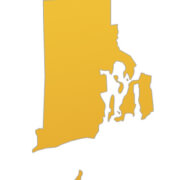 Rhode Island: Taking into consideration the needs of the justice-involved population newly eligible for Medicaid following passage of the ACA, the state negotiated new contracts with their Medicaid health plans and implemented certain changes to the benefit packages for these plans. For example, many behavioral health services that had previously been separately administered were integrated into the health plans to help improve connections to mental health and substance abuse services for these individuals. Also, the Executive Office of Health and Human Services specifically required certain care management protocols, making it a contractual requirement of the health plans that they conduct outreach and health risk assessments for individuals being released from incarceration. Currently, health plan representatives are providing corrections staff with information about how individuals reentering the community can contact plans for further assistance. This policy change has the potential to improve care coordination for individuals needing mental health and substance abuse treatment.
Eligibility Determination Changes
Wisconsin: The Department of Health Services (DHS) implemented a new policy of allowing incarcerated individuals with explicit dates of release to apply for health coverage prior to release. Additionally, the DHS revised existing policy to allow for Medicaid eligibility to begin the day prior to an individual’s release from incarceration. DHS reported that they specifically selected the 20th of the month prior to the month of release as the date that individuals could apply for coverage in order to increase the likelihood that there was an adequate amount of time for the Medicaid card to be mailed back to the correctional facility prior to the individual’s release date.
Process Changes
States that are enrolling the justice-involved population in coverage have also implemented changes to processes and procedures in their Medicaid and corrections departments that make it easier to enroll eligible individuals. While some states noted they already had in place certain processes to enroll Medicaid-eligible incarcerated individuals to cover the cost of inpatient hospital stays or when they were nearing their release date, others had not done so. With the implementation of the ACA and a greater number of individuals eligible for Medicaid, some states developed new procedures for enrolling eligible individuals or modified their existing processes.
Application Process Changes
Colorado: The Department of Health Care Policy and Financing (HCPF) and the DOC worked together to develop procedures to efficiently process Medicaid applications for incarcerated individuals. DOC officials indicated that when Colorado implemented the ACA’s Medicaid expansion, initial enrollment efforts focused on enrolling individuals in Medicaid for qualifying inpatient health care services. To broaden the scope of these efforts to include individuals leaving incarceration, the DOC hired two full-time nurse case managers to specifically focus on processing applications as part of pre-release planning. Case managers at the correctional facilities send a permission form signed by the incarcerated individual to the nurse case managers at the DOC’s central office. The nurse case managers complete applications electronically based on information in the DOC’s database. Most of the individuals transitioning to the community who are found to be Medicaid-eligible are able to leave the correctional facility with a Medicaid card. If the card is not available prior to an individual’s release, the nurse case managers contact the correctional facility case managers to provide them with the individual’s Medicaid eligibility number and the contact number of a nurse case manager who can provide further assistance.
To ensure accurate and timely eligibility determinations, HCPF has given the DOC limited access to PEAKPro, an online tool to help authorized state agents assist Coloradans. DOC may apply for Medical Assistance on the individual’s behalf if the individual agrees. Most eligibility determinations are made in real time, although in some cases a manual determination must be made. In spring of 2015, HCPF transferred the responsibility for processing manual DOC applications to an eligibility and enrollment contractor that regularly handles a large volume of applications.
HCPF has also provided the DOC with other types of assistance. For example, they developed software specifically for the DOC to enter in and track the status of applications, which has helped streamline the overall application process. Additionally, they have provided the DOC’s nurse case managers who process applications with direct support to address issues. Previously the enrollment applications were handled through a hybrid paper-electronic process, but as of spring 2015 the application process is conducted entirely online. The DOC has reported that the short-turn around time of the application processing is very efficient and that this has helped with their overall ability to handle a large volume of applications.
Illinois: Local assister entities have conducted the majority of the enrollment for justice-involved individuals. Some of these assister community organizations have reached out directly to county jails to provide enrollment assistance and help individuals understand how to appropriately access care once they reenter the community. At the state level, Get Covered Illinois, the state/federal marketplace partnership organization in Illinois, supports these efforts by providing the assister organizations with information about how the ACA affects justice-involved individuals. Get Covered Illinois has also offered suggestions and technical assistance to these organizations about how to connect with criminal justice entities and ways to potentially integrate enrollment processes into these facilities. View the enrollment guide.
New Mexico: Officials from the Human Services Department (HSD) indicated that overall the presumptive eligibility (PE) process has been working well. HSD staff members indicated that they have been working with the DOC as well as Santa Fe and Bernalillo Counties, since the spring of 2014 to facilitate their ability to conduct PE determinations. HSD provided the staff at state prisons and these two county jails with extensive training to allow them to become PE determiners. View training materials here and here. View New Mexico’s PE Submission Checklist here. Related: You can view a fact sheet about New Mexico’s Enrollment in Medicaid for Incarcerated Individuals Released (IIR) & Short Term Medicaid for Incarcerated Individuals (STMII) here.
HSD officials reported that the PE process includes a full Medicaid application, and that for the majority of individuals the necessary information can be obtained electronically through state and/or federal databases. The HSD indicated that there are some challenges in obtaining the necessary paperwork from individuals when they do not have mailing addresses for cases that require follow-up with individuals after their release from incarceration to complete the eligibility determination.
Ohio: In those Ohio Department of Rehabilitation and Correction (ODRC) prisons that have begun enrollment efforts, the Medicaid application process is initiated via phone with paper follow-up. First, optional classes led by peer educators are offered to individuals 90-120 days prior to their release. The classes provide information about Medicaid coverage and preview the questions that will be addressed during the enrollment application phone call. During the classes individuals also sign authorization and other pre-enrollment forms, which ODRC collects and maintains. After completing the classes, individuals use designated phones in each correctional facility to connect directly to the Medicaid enrollment center at specified times. Enrollment center phone staff as well as the trained peer counselors can assist with the process. The phone call allows the individual to select a Medicaid managed care plan, but does not entail official Medicaid eligibility determination and enrollment. After all necessary forms have been collected, the ODRC sends individuals’ information in batches to the state’s Medicaid portal, where the eligibility determination is conducted.
The Medicaid agency indicated that while initially the enrollment process has been done manually, they are currently transitioning to automating the process. Generally, individuals begin the enrollment process approximately 90 days prior to release, and in most cases those who choose to apply and are found to be eligible are able leave the correctional facility with a Medicaid card.
Rhode Island: The DOC integrated the Medicaid application process into existing discharge planning services. Due to the DOC’s security concerns regarding incarcerated individuals using computers, individuals complete paper Medicaid applications that are then hand-carried by DOC staff to the Executive Office of Health and Human Services (EOHHS). Current practice is to submit the paper applications two weeks prior to individuals’ release dates to allow time for their information to be entered into the system. However, the actual Medicaid eligibility determination process does not occur until the individual’s incarceration release date. Individuals being released from incarceration are provided a phone number to initiate the activation of their benefits.
Rhode Island’s EOHHS worked closely with the DOC to increase the accuracy of incarceration status data and to address challenges related to identity and income verification. One of the issues the departments encountered was that federal data sources did not have information about an individual’s incarceration release date and the system often indicated an individual was still incarcerated even though s/he had been released. After discussions between the two agencies, the DOC and EOHHS revised processes and implemented system changes so that the DOC’s databases could be more easily accessed to obtain real-time data on incarceration status.
Also recognizing the need to address the issue of income verification, EOHHS developed a self-attestation form for individuals to indicate lack of income, and then informed exchange contact center staff and Navigators to accept this as a valid document. In terms of identification, the DOC provides each individual released to the community with two forms of photo identification—one form of general identification and a copy of a page from the DOC database that indicates their release date. This information can be provided to assisters who might be working with these individuals to enroll them in coverage.
Washington: Staff members in state correctional facilities regularly facilitate group meetings with individuals nearing their incarceration release dates to provide information about Medicaid coverage and assist with completing paper applications. The DOC designated three staff members in the state’s central office to process applications from all of the state’s correctional facilities. The DOC chose to centralize the process of inputting application information into the Medicaid eligibility system both because of limits on the number of staff members able to access the system but also to minimize staff work at the correctional facilities. An agreement with the Health Care Authority permits Medicaid application information to be entered into the system 30 days prior to individuals’ release dates, which allows time for the Medicaid cards to be sent to correctional facilities prior to the date that the individuals leave. Preceding the receipt of a Medicaid card, individuals receive a letter informing them that they have been approved for coverage and that they will receive related mailings with plan information; this letter also acts to confirm that the address for the individual is correct and will work for these future mailings.
Wisconsin: In November 2014, the DHS issued a memorandum developed in conjunction with the DOC that builds on the MOU between the two agencies and provides further detail about the roles and responsibilities of each. The operations memo describes new processes for accepting telephonic Medicaid applications from incarcerated individuals. The new policy allows individuals with explicit dates of release to apply for health coverage on or after the 20th day of the month prior to the month of the individual’s scheduled release date. This allows enough time for the Medicaid card to arrive at the correctional facility. Individuals are able to apply via phone and can telephonically sign the application. The memo also provides guidance to the DOC regarding the length of time permitted for the individual to complete the application via phone and for providing application assistance. Additionally, the memo eliminates the need to verify prison income for these applications being submitted by incarcerated individuals and it provides instructions for verifying certain eligibility information and issuing identification cards.
In terms of implementing the processes at the correctional facilities, the DOC recognized that their reentry social workers already had many tasks and so the department focused on implementing streamlined procedures with minimal staff involvement. Some facilities use the regular phone system but others have set up special conference rooms or call booths for greater privacy for individuals who are calling to apply for coverage. Also, the DOC indicated that there are ACA “site coordinators” at the correctional facilities who serve an important role in the internal implementation of the telephone enrollment processes at each facility and address any questions related to enrollment in health coverage.
In many states, health and corrections agencies fold enrollment processes into pre-release planning since health coverage to meet physical and behavioral health needs is important for ensuring an individual’s future success and reduces the chances for recidivism. This section of the toolkit highlights various state strategies to incorporate enrollment into pre-release planning.
Medicaid Enrollment Education/Training for Incarcerated Individuals
Ohio: As part of the Ohio Department of Medicaid (ODM) and the Ohio Department of Rehabilitation and Correction (ODRC)’s Medicaid Pre-Release Enrollment (MPRE) program, incarcerated individuals are selected (or volunteer) to be trained to act as peer-to-peer educators (Peer-to-Peer Medicaid Guides) in a voluntary pre-enrollment classes for others. The classes educate participants on the importance of health coverage and walk applicants through the enrollment process. A pre-release enrollment worksheet guides incarcerated individuals through the items they may need to research or ask family members about and lists questions they may be asked as part of the application process. The classes also use a video, created by justice-involved individuals, to educate participants about coverage and the Medicaid enrollment process. Currently, Ohio Medicaid and corrections officials are working to add one prison per month to the statewide program (there are a total of 27 facilities in the state – you can view a programmatic overview of the program’s rollout here). As a prison is added, ODRC staff members are notified about the MPRE program via an email memo. The memo is also meant to act as a reference so staff members can more easily field questions about the Medicaid pre-release enrollment process at the facility. View an overview of the Peer-to-Peer Medicaid Guide portion of MPRE here (this resource also contains a copy of the pre-enrollment worksheet, as an attachment). For more information about MPRE, see this presentation produced in partnership by the Ohio Department of Medicaid (ODM) and the Ohio Department of Rehabilitation and Correction (ODRC). Rhode Island: Within Rhode Island’s unified prison-jail system, there are two discharge planning tracks. On the first track, incarcerated individuals attend group education classes and participate in individual discharge planning that occurs closer to the release date. A community agency conducts the education for the pre-release groups, providing information about Medicaid enrollment and distributing paper applications. Discharge planners also give incarcerated individuals information about how to access local offices if they wish to enroll after being released. On the second track, individuals being released are given a form, and Department of Corrections (DOC) staff assists in filling out the form with identifying characteristics. This form can be given to Navigators outside of the facility to confirm that the person is no longer incarcerated (even if internal systems have not yet been updated to reflect their release). Then, enrollment can take place at that Navigator Center. Washington: Ninety days prior to release, the Washington State DOC sends a letter to incarcerated individuals informing them about coverage options under the ACA, and notifying them that part of their release process will involve applying for Medicaid benefits. The DOC has created a FAQ for distribution during the pre-release process and is also in the process of creating a video to inform individuals about Medicaid benefits to help ensure that there is a consistent message about the availability of health coverage.Single adults without dependents complete a paper application. The facility staff members are trained to send scanned applications to the DOC headquarters, where they are reviewed for any possible problems (e.g. an incorrect Social Security number, missing information, etc.) After this, DOC staff members at the headquarters manually enter the information into Medicaid’s enrollment system.
Wisconsin: In many Wisconsin prisons, approximately one month prior to release, incarcerated individuals attend a one-hour long group session specifically focused on enrollment to prepare them to submit applications by phone. Four online modules are used to train DOC staff to facilitate the session.Application Assistance
Colorado: In the state’s prisons, enrollment is folded into already-existing processes the DOC uses to help released individuals gain or regain benefits as part of their transition back into the community. Two nurse case managers based at the DOC central office complete applications electronically for incarcerated individuals in all 24 facilities, including private facilities. Once an individual is enrolled, DOC ensures that they have their Medicaid card within their possession upon release. If a Medicaid card is not received prior to release, the DOC ensures that the individual knows their Medicaid number and has access to a phone number to reach the case manager/nurse if they have any questions. Additionally, individuals who may have opted out of enrollment assistance pre-release can later choose for parole staff to connect them to the case manager/nurse. New Mexico: As part of Presumptive Eligibility (PE) in New Mexico, the Medicaid Division of the New Mexico Human Services Department (HSD) has worked with the DOC to train staff to assess eligibility within the corrections facilities as part of pre-release planning. Once PE is assessed, the DOC submits assessments to HSD with information regarding their release date, if available (when release dates change, this sometimes poses a challenge for HSD, which they are in the process of addressing as this program grows). Individuals are enrolled after they are released from correctional facilities. Ohio: Two to three days after attending a pre-enrollment class, incarcerated individuals review the forms necessary for the ODM to allow individuals to enroll in Medicaid, including an authorization form that allows ODM to conduct a background check. At this stage, already knowing what questions they will be asked, incarcerated individuals can use a specific phone to directly connect to ODM to select a managed care plan. As part of a hybrid telephonic-electronic process, the ODRC batches individuals’ information to ODM’s Medicaid portal for eligibility screening. The applications and forms are maintained within the individual’s master records. Ohio is working towards automating these processes by early April 2016. Additionally, all individuals who are being released receive a standard notice informing them about the Affordable Care Act, their potential eligibility for Medicaid, and resources for enrollment outside of the incarceration facility.During this part of the process, incarcerated individuals are also asked to fill out a medical release summary. Ohio screens every survey participant to identify individuals with complex health needs or indicators for complex health needs, referred to as “critical risk indicators” or CRIs. Individuals with CRIs have the opportunity to participate in a videoconference with a representative from a managed care plan selected by the individual prior to release. Together, the managed care plan and individual create a transition plan for that individual, scheduling doctor’s appointments, and organizing transportation and communication.
If an incarcerated individual is approved for Medicaid and signs onto a managed care plan, ODRC extracts the Medicaid card information and managed care plan card information, and scans both so that incarcerated individuals have both within their possession upon release.
Rhode Island: Correctional facilities provide application assistance in three different ways and at varying points in the pre-release planning process. Interns from Brown University’s Center for Prisoner Health and Human Rights directly assist incarcerated individuals awaiting trial with completing Medicaid applications, or follow up to ensure that an application has been completed. Additionally, pre-release planners assist incarcerated individuals, especially those going into residential treatment upon release, in completing paper applications. The Executive Office of Health and Human Services (EOHHS) temporarily allocated funding from their Navigator Program to staff corrections facilities with mobile navigators to answer questions and assist incarcerated individuals visiting the Exit Resource Center, although this service is no longer available. Wisconsin: In all Wisconsin prisons, corrections staff screen incarcerated individuals who may fall into one or more of the four categories potentially indicating a need for application assistance: those with 1) mental health issues; 2) lower reading scores; 3) language barriers; and/or 4) developmental disabilities. If an individual is identified as falling within one of these categories, social workers screen further to determine if the inmate can complete the telephonic enrollment application independently. If they cannot, the social worker facilitates the call process. The social workers are employed by the DOC, which also rotates three additional contracted benefits specialists between six DOC facilities who schedule and facilitate calls with incarcerated individuals at those six facilities.Some states engage in outreach after justice-involved individuals return to their communities in order to enroll them in or maintain health coverage. For some states, this is in addition to pre-release enrollment activities, and in others, it is in place of pre-release planning efforts.
From our interviews, we found there are two main types of outreach: (1) activities within parole offices, and (2) mailings or phone calls conducted by state health and corrections agencies.
Parole Office
Colorado: Parole staff and community reentry specialists offer application assistance to anyone who did not have the opportunity to be enrolled while they were still incarcerated or if they previously declined to be enrolled but since changed their mind. Illinois: During Get Covered Illinois’s first open enrollment period in Fall 2013-Winter 2014, the state used the Department of Corrections (DOC) Parole Division’s automated messaging system to inform individuals they were likely eligible to enroll into health coverage, when in-person assistance was available at their nearest parole office, or how to enroll by phone. In Illinois, parolees must call the system using a toll free number to check-in, and often receive messages this way, rather than having parole agents call them. This allowed the state to pre-record a message describing parolees’ potential eligibility for health insurance and providing information about where to apply in person or online. Additionally, assisters were available once a week at parole offices around the state to enroll individuals. Flyers were created for parole agents to distribute to individuals on their caseloads, which provided information about when in-person assistance would be available at the parole office.Justice-involved individuals have also received assistance at the Illinois Department of Corrections’ Summit of Hope events at various sites around the state. At a Summit of Hope, community organizations and social service agencies gather together to engage individuals in the reentry process and connect them with resources. The intent is to provide a smooth transition back into civilian life and to reduce recidivism. Get Covered Illinois has connected assister organizations with their local Summit of Hope events in order to conduct outreach and to enroll eligible individuals in health coverage on-site.
Rhode Island: Health insurance is a requirement for individuals to participate in certain parole programs, and former inmates must be in parole programs to remain in the community. Although the program is no longer funded, the DOC contracted with an application assister working with the Rhode Island Parent Information Network to provide application assistance to individuals on parole who needed health insurance. The DOC had two staff members also helping with applications: one in the DOC office and another that helped individuals checking in on probation. There are plans in the future to involve interns from Brown University with enrollment efforts at parole programs.Mailings and Calls
Illinois: Prior to the Get Covered Illinois’ second open enrollment, trying to capitalize on earlier outreach efforts, the state worked with the parole department to carry out an outbound calling campaign in targeted regions across the state. An automated message was delivered that encouraged these individuals to enroll in health coverage and directed them to local enrollment sites. The state believes this aggressive outbound calling campaign was not as effective as the first effort; however, identifying how many of these justice-involved individuals eventually sought assistance at local enrollment sites and enrolled in coverage through this effort was a challenge because they were directed to enrollment sites in the community rather than at the parole office. New Mexico: When an individual is determined presumptively eligible for Medicaid in New Mexico, the Human Services Department’s (HSD) eligibility system also submits a full application. Although HSD is able to verify most of the required information for the full application electronically, the agency engages in post-release outreach mailings to individuals who need to submit documents that can’t be provided electronically. They send a “help us make a decision” form that the individual must return if their application is still pending. The form requires that the state have their address, which can be challenging given the transiency of this population. Individuals must follow-up to provide the additional information in order to complete the application.States recognize that while enrolling justice-involved individuals into health coverage is important, the next crucial step is to facilitate access to both medical and behavioral health care for these individuals upon their release from incarceration. While most states have initially focused their efforts on implementing enrollment procedures, many are beginning to think about the next steps necessary to connect individuals to care. The following section outlines states’ efforts to promote access to care and help individuals reentering the community best utilize care.
Health Literacy Materials
Illinois: Recognizing that justice-involved individuals reentering the community may be unfamiliar with how to appropriately utilize health care services, officials from Get Covered Illinois have developed health literacy materials designed to help them more easily access care upon release. These materials include a palm-sized card with information on how to choose and access primary care providers, obtain prescriptions, and appropriately use emergency care. The card also includes important contact numbers, as well as space where individuals can write in information about their physicians and prescriptions. The materials were developed with input from probation offices and advocacy groups and are based on some of the most common questions they receive from the justice-involved population regarding their health care benefits. The cards are being distributed in probation offices as well as during the intake process at the Cook County jail. See palm-cards for: Medicaid and Using Insurance (in English and Spanish). Ohio: Upon release, all individuals–even those who did not participate in the pre-release enrollment program–are provided with a reference sheet with information about the importance of health coverage, how to enroll in Medicaid upon release, and how to use insurance coverage and access providers. Rhode Island: In partnership with the Center for Prisoner Health and Human Rights at Brown University, state officials from the Executive Office of Health and Human Services (EOHHS) are working on a health literacy initiative for the justice-involved population. Students from the university’s medical school provide information to individuals nearing release from incarceration about what to expect when calling for appointments with providers and how to access care appropriately in the community. Washington: The Department of Corrections (DOC) gives information and literature to individuals who did not enroll prior to release regarding how to access Navigators in their community to enroll in or use coverage. Wisconsin: The DOC developed and distributed informational pamphlets designed to help answer general questions related to health coverage through both Medicaid and the marketplace, as well as ways to access care.Access to Care
Colorado: Efforts are underway in the Denver region to connect individuals who cycle in and out of jail, often due to behavioral health issues, to intensive case management services available through Medicaid. The state Medicaid agency is considering how to replicate this model more widely across the state, and in 2016 is aiming to convene a workgroup of county and city leaders and other stakeholders to discuss best practices, challenges and opportunities to expand these types of services.In early 2015 the DOC hired specialized behavioral health parole coordinators to focus on helping individuals in need of more intensive support services upon release navigate the health care delivery system. These coordinators are licensed social workers located throughout the state, although due to capacity issues currently they are only serving a small number of individuals. They offer individuals intensive support services, provide them with information about how to best access behavioral health services, and assist with care coordination.
In the near future, the DOC plans to implement a new system to manage the health records of incarcerated individuals. The DOC anticipates that this will allow for case management services to begin as early as at the time of intake. State officials indicated that being able to start case management services earlier will make the overall process of connecting individuals to care after their release more streamlined and effective.
Ohio: When incarcerated individuals begin the Medicaid application process and are determined eligible, they then select a managed care plan. Additionally, the Ohio Department of Rehabilitation and Correction staff members assess their health records to determine if they might have a medical and/or behavioral health condition that would qualify them for case management. These individuals with complex needs are given a transition plan prior to release, which includes having a video conference with a representative from their managed care plan, scheduling appointments with providers, and coordinating support services such as transportation. Rhode Island: The DOC uses the same electronic health record system as the state’s Federally Qualified Health Centers (FQHCs). State officials recognize the potential of this shared system to better coordinate care, and are in the initial stages of planning for a more effective care transfer process, particularly for individuals with complex physical and/or behavioral health needs. Wisconsin: State officials emphasized the importance of ensuring that individuals connect with health services quickly after release from incarceration, in particular to avoid gaps in prescription use. Correctional facilities in Wisconsin begin the enrollment process early in order to ensure that there is enough time for a Medicaid card to be mailed to the prison so that individuals have the card in their possession upon release. Currently, individuals are provided with two weeks of prescription medications on the day of their release, with a written prescription for another two-week supply.This section describes the importance of partnerships across agencies to facilitate the enrollment of justice-involved individuals, and highlights some of the states with particularly strong relationships between the Medicaid and corrections departments. During interviews with both Medicaid agencies and correctional authorities, state officials strongly emphasized that a key factor in effectively implementing enrollment efforts for the justice-involved population required close working relationships and support from the leadership of both departments. Additionally, some of the states interviewed indicated that relationships with community-based partners and other entities have also played an important role in implementing initial and follow-up enrollment processes, as well as improving access to care for the justice-involved population.
Colorado: Officials from the DOC recognized the importance of developing a strong relationship with the Department of Health Care Policy and Financing (HCPF) to improve continuity and coordination of care for individuals leaving incarceration. Therefore, initial internal and interagency conversations began as early as 2011. Both DOC and HCPF reported that a strong partnership and good communication between the two agencies has existed for many years, which has helped greatly in the process of implementing enrollment procedures for the justice-involved population. The agencies credit this very good working relationship both to the long-standing partnership and the fact that there is support for these efforts from the leadership of both departments. Illinois: In Illinois, efforts to enroll justice-involved individuals in health coverage were led through the governor’s office, which established a Workgroup on Justice Populations (WJP) and multiple interagency and regional meetings were convened. Based on these meetings, the WJP developed a resource guide designed for criminal justice personnel and community partners. The guide provides background information about relevant ACA policies along with detailed process maps outlining steps to implement enrollment procedures in correctional facilities and other settings.Additionally, staff from Get Covered Illinois indicated that one of the primary successes has been the establishment of relationships between community organizations serving as assisters and criminal justice entities. These new partnerships have helped to bring to the forefront the importance of connecting individuals reentering the community to health coverage.
Ohio: Officials from both Ohio’s Department of Rehabilitation and Correction (ODRC) and the Ohio Department of Medicaid (ODM) indicated that communication between the two departments began in 2013 through efforts to ensure that the costs of inpatient hospitalizations of incarcerated individuals were billed to Medicaid. Then with the state’s expansion of Medicaid, the two agencies initiated conversations to determine how to implement enrollment processes for justice-involved individuals prior to their release, which led to a focus group of staff from the two departments, which met regularly for about a year. There are still weekly meetings between the two departments, and both the ODRC and ODM reported that these are critical for addressing issues efficiently. They also reported that these regular meetings have led to greater understanding of each department’s systems and processes. Additionally, in recognition of the fact that many justice-involved individuals reentering the community need to access behavioral health services, the workgroup includes representatives from the Department of Mental Health and Addiction Services. Rhode Island: Officials from the DOC indicated that prior to the ACA their office of transitional services had established efforts to enroll individuals reentering the community who had intense medical and behavioral health needs in health coverage. Recognizing that with their state taking up the Medicaid expansion option there would be a significant number of justice-involved individuals eligible for coverage upon release from incarceration, the DOC and the Medicaid agency held a series of joint meetings to begin planning for how to coordinate these enrollment efforts. Both the DOC and the Medicaid agency indicated that there has been very effective communication between the two departments, and that this strong partnership was crucial to implementation efforts.During the initial planning phases, the state’s health agency also initiated weekly face-to-face meetings with parole workers, unified jail-prison system discharge planners, and DOC nurses to provide greater support to them, understand what was working and what was not working in terms of providing application assistance and outreach.
Additionally, representatives of insurance plans attended some of the meetings between the DOC and the Medicaid department to discuss issues such as promoting continuity of care for the newly enrolled justice-involved population and potential challenges associated with the plans in terms of handling a larger volume of clients. Both departments indicated that it was very helpful to include the insurance companies in some of the initial planning meetings. Connections with the insurance companies are still continuing to some degree, with some attending discharge planning services to talk about substance abuse issues.
Rhode Island has also included the Center for Prisoner Health and Human Rights at Brown University as a partner in these enrollment efforts. The DOC is working with the Center to train university students to assist with applications and conduct post-release follow up in terms of accessing services upon release from incarceration. The DOC also emphasized the importance of having developed partnerships with local mental health agencies and other community-based organizations that work with the justice-involved population, as these entities are able to assist with follow-up enrollment efforts.
Wisconsin: Both the Department of Health Services (DHS) and the DOC indicated that they had an effective and established partnership and this was a key factor to the successful implementation of enrollment procedures for incarcerated individuals. The departments attributed the success of the partnership to good communication between the two agencies, support from both departments’ leadership, involvement of the appropriate staff from both agencies in the discussions, and taking time to carefully plan and think through the key issues. The agencies also attribute the success to existing working relationships between the two departments in the years prior to the implementation of the enrollment processes in correctional facilities. For example, DOC social workers conducting release planning had been sharing information with incarcerated individuals reentering the community, but had not been able to link them directly to those programs until after they were released. Also, there is a facility administered by DHS and staffed partially with DOC security employees, the Wisconsin Resource Center, which is a secure and specialized facility that houses incarcerated individuals with acute mental health issues to provide treatment and care for these individuals.In addition to the strong partnership between DHS and DOC, connections with local entities are also working well. Wisconsin’s Medicaid is locally based and eligibility offices are administered through groups of counties called consortia. While efforts to implement enrollment processes in local jails are in the early stages, DHS indicated that they have monthly meetings with the consortia to maintain effective communication channels, and the DOC has provided information to local jail administrators about possibilities for implementing more formalized enrollment procedures in these facilities. Both DHS and DOC indicated that because prior to the ACA many local jails would refer potentially eligible individuals reentering the community to connect with local income maintenance offices to apply for coverage, these existing community-based relationships provide a promising foundation to establish more formal local-level enrollment efforts.
Implementing processes to enroll justice-involved individuals in health coverage on a large scale is a new endeavor for states and their efforts are in the early stages. Given this, many states are currently working through various policy and operational challenges. The following are some examples of issues that states are planning to or are in the process of addressing to improve enrollment processes for the justice-involved population.
Illinois: State officials indicated that it was helpful to have the governor’s office lead the state’s initial efforts to enroll the justice-involved population in health coverage. This is because of the executive office’s ability to bring together a wide range of stakeholders, such as state and local officials as well as community based organizations. However, they noted the importance of developing a strong relationship specifically between staff at the state Medicaid and corrections agencies to maintain and sustain enrollment processes. Institutionalizing this relationship can help collaborations continue beyond changes in gubernatorial leadership. New Mexico: State officials from the Medicaid agency indicated that they have begun planning efforts to implement care coordination for individuals leaving incarceration. They reported that they are having initial discussions with managed care organizations (MCOs) about ways to better connect these individuals to care providers in the community. Each individual that is enrolled undergoes a health risk assessment, but state officials noted that care coordination linkages could be strengthened. One of the ideas being considered is to have MCO representatives initiate the first contact in the correctional facility prior to the individual’s release date to develop a care coordination plan. Ohio: State officials from the DRC mentioned that they are working with the Medicaid department to develop procedures to be able to claim Medicaid administrative matching funds to offset some of the costs associated with implementing enrollment processes. Additionally, while ODRC noted that the peer-to-peer enrollment assistance program has worked well, their vision for the enrollment process is to have individuals apply on their own at kiosks or mini tablets within the correctional facilities. This would minimize staff involvement further, and the inputting of identifying information such as Social Security numbers could be automated which would also streamline the overall process. Rhode Island: According to current state procedures, the Medicaid eligibility determination process does not occur until the individual’s incarceration release date, which results in individuals generally not being able to leave the correctional facility with their Medicaid card unless their release date is postponed. This leads to a number of challenges because some individuals leaving incarceration do not have addresses where the cards can be mailed. The Department of Corrections staff indicated that this is a significant barrier and that it would be very helpful to be able to include the Medicaid eligibility cards in the individuals’ exit packages. Washington: Currently, after staff members at the central office for the DOC enter an applicant’s information into the eligibility determination system and an individual is determined eligible for Medicaid, multiple mailings for each individual are generated. Many individuals do not have a planned place of residence after their release from incarceration, and consequently these mailings are sent to DOC facilities. However, currently only individuals’ names are included on the mailings, and not DOC identification numbers. This limited amount of identifying information in addition to the volume of mail received results in challenges for correctional facilities in terms of ensuring that the mailings are distributed to the appropriate individuals. The departments have identified this as a barrier to being able to provide individuals with Medicaid cards upon release and are aiming to address this in the near future. Wisconsin: The state is pursuing a method to track the number of justice-involved individuals enrolling in coverage via the established telephonic application process. Title 32 U.S.C. § 405(c)(2)(C)(i) limits the state in its release of complete Social Security numbers (SSN) unless it is for “the administration of any tax, general public assistance, driver’s license, or motor vehicle registration law within its jurisdiction.” Consequently, the DOC may only release the last four digits of the SSN to the Department of Health Services. They may then match the individuals’ names, dates of birth, and last four digits of the SSN to analyze Medicaid enrollment data and share information with the DOC for the purposes of tracking recidivism and how that may correlate with enrollment. In addition, this system also allows for better tracking of the application rates at each correctional facility.View the information from this toolkit one state at a time:
| Colorado |
Illinois |
New Mexico |
Ohio |
Rhode Island |
Washington |
Wisconsin |
View Webinar Here
Download Webinar Slides
Many individuals involved in the criminal justice system are now eligible for Medicaid in states that expanded the Medicaid program under the Affordable Care Act. Health coverage can provide individuals who are leaving incarceration with access to physical and behavioral health services critical to their successful reentry into the community. In some states, correctional agencies have partnered with Medicaid agencies to implement procedures to begin the Medicaid application process as individuals are nearing their incarceration release dates. This webinar features three states—Colorado, New Mexico and Wisconsin—that have initiated efforts to enroll justice-involved individuals in health coverage and explores some of the following questions:
- How are states developing procedures to enroll justice-involved individuals in Medicaid, and what types of policy or process changes have they implemented?
- What specific assistance is provided to incarcerated individuals who are enrolling in health coverage and how are applications processed?
- What strategies have been most successful for states, and what are some of the operational challenges that states are in the process of addressing?
- What types of interagency partnerships and coordination are needed to facilitate the enrollment of justice-involved individuals?
- How are states promoting access to care for the justice-involved population upon their release from incarceration?
The following is a compilation of related resources on the topic of the justice-involved population and health coverage.
| Financing/Cost-Containment | ||
| Medicaid Expansion and Criminal Justice Costs: Pre-Expansion Studies and Emerging Practices Point Toward Opportunities for States | State Health Reform Assistance Network | November 2015 |
| Medicaid: Information on Inmate Eligibility and Federal Costs for Allowable Services | The U.S. Government Accountability Office (GAO) | September 2014 |
| Case Studies From Three States: Breaking Down Silos Between Health Care And Criminal Justice | Health Affairs | March 2014 |
| Medicaid and Financing Health Care for Individuals Involved with the Criminal Justice System | The Council of State Governments (CSG) Justice Center | December 2013 |
| Realizing the Potential of National Health Care Reform to Reduce Criminal Justice Expenditures and Recidivism Among Jail Populations | Community Oriented Correctional Health Services (COCHS) | January 2011 |
Enrollment Processes
 Download Chart as PDF
Where
| Where is enrollment conducted? | |
| CO | At DOC’s central office; also Denver County jail |
| IL | Enrollment education provided in correctional facilities; enrollment at various jails across the state and through the reentry process |
| NM | In state prisons, two county jails and two state and county juvenile detention centers |
| OH | In correctional facilities; prisons |
| RI | In correctional facilities (state has a unified prison/jail system) |
| WA | In correctional facilities; mostly prisons, some larger jails |
| WI | In correctional facilities; mostly in prisons |
When
| When is enrollment conducted? | |
| CO | Prior to release |
| IL | At intake in Cook County jail; prior to release in other jails and during reentry for the correctional population |
| NM | Prior to release |
| OH | 90-120 days prior to release, individuals can attend classes led by peer educators to learn about enrollment process |
| RI | Prior to release, individuals are provided information and paper applications at group education classes |
| WA | 90 days prior to release information is provided to individuals; 45-60 days prior to release applications are provided |
| WI | Individuals with release dates can apply via phone on or after the 20th day of the month prior to the month of release |
Who
| Who conducts enrollment? | |
| CO | -Correctional facility case managers obtain signed permission forms from individuals which are sent to DOC central office -Nurse case managers at DOC central office complete applications |
| IL | Primarily ACA in-person assisters or Certified Application Counselors |
| NM | Corrections staff trained as presumptive eligibility (PE) determiners by Human Services Department |
| OH | -Individuals complete forms and begin application process via phone; peer educators can assist -Each facility has a liaison who selects the peer educators and assists with overall process |
| RI | -Brown University interns provide application assistance -Other assisters at probation offices/exit resource centers help individuals enroll |
| WA | Trained staff at the correctional facilities assist individuals with completing the application |
| WI | -Social workers facilitate calls for individuals facing challenges to successful application -ACA “site coordinators” at correctional facilities help with overall process |
How
| How are applications processed? | |
| CO | 2 nurse case managers at DOC central office complete and process applications electronically after receiving permission forms from facilities; data sent to HCPF |
| IL | In-person assister submits applications and applications are processed by state Medicaid agency |
| NM | All Medicaid applications filed by incarcerated individuals are processed by the Medical Assistance Division’s PE Applications Processing Unit |
| OH | -Telephone call is to select managed care plan -Enrollment is completed when corrections department sends information to the Medicaid portal for an eligibility screen |
| RI | Paper applications are hand carried by corrections staff to Medicaid agency |
| WA | -Applications are scanned and sent to central office (DOC) -Information is entered into system 30 days prior to release |
| WI | Through telephonic application process, which includes a telephonic signature |
Individuals leave facility w/ Medicaid card?
| Individuals leave facility w/Medicaid card? | |
| CO | Yes, generally; if not, then individuals are provided w/their Medicaid number and DOC nurse case manager phone number |
| IL | No; eligibility results, paperwork and Medicaid cards are mailed to individuals’ addresses upon release |
| NM | No; individuals are provided w/their Medicaid number and MCO contact numbers |
| OH | -Yes; and Medicaid information included on release paperwork -Individuals with two or more risk factors have transition plans |
| RI | No; eligibility determination is conducted after individual is released from incarceration |
| WA | Yes, generally |
| WI | Yes, generally |
This toolkit was made possible with support from the Jacob & Valeria Langeloth Foundation.
 For individuals living with complex, often chronic conditions, and their families, palliative care can provide relief from symptoms, improve satisfaction and outcomes, and help address critical mental and spiritual needs during difficult times. Now more than ever, there is growing recognition of the importance of palliative care services for individuals with serious illness, such as advance care planning, pain and symptom management, care coordination, and team-based, multi-disciplinary support. These services can help patients and families cope with the symptoms and stressors of disease, better anticipate and avoid crises, and reduce unnecessary and/or unwanted care. While this model is grounded in evidence that demonstrates improved quality of life, better outcomes, and reduced cost for patients, only a fraction of individuals who could benefit from palliative care receive it.
































































