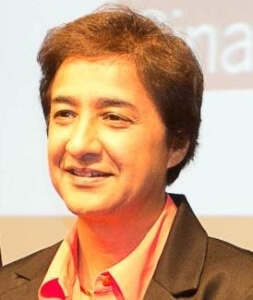
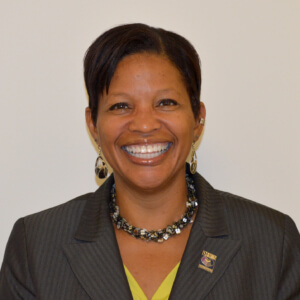
Aletha Maybank, MD, MPH recently joined the AMA in April 2019 as their inaugural Chief Health Equity Officer and Vice President. Her role is to embed health equity in all the work of the AMA and to launch a Center for Health Equity.
Prior to this in 2014, Dr. Maybank became an Associate Commissioner, and later a Deputy Commissioner, and lunched the Center for Health Equity, a new division in the NYC Department of Health and Mental Hygiene geared toward strengthening and amplifying the Health Department’s work in ending health inequities. Under her leadership, and in a short amount of time, the health department made great strides in transforming the culture and public health practice by embedding health equity in the health department’s work. This work has been recognized and adapted by other City agencies and has captured the attention of the CDC and WHO.
She also teaches medical and public health students on topics related to health inequities, public health leadership and management, physician advocacy, and community organizing health. Currently, Dr. Maybank serves as President of the Empire State Medical Association, the NYS affiliate of the National Medical Association. In 2012, she co-founded “We Are Doc McStuffins,” a movement created by African-American female physicians who are inspired by the Disney Junior character, Doc McStuffins.
Dr. Maybank holds a BA from Johns Hopkins University, an MD from Temple University School of Medicine, and an MPH from Columbia University Mailman School of Public Health. She is a pediatrician and board certified in Preventive Medicine and Public Health.
Lunch Plenary:
A Commitment to Advance Health Equity


 For individuals living with complex, often chronic conditions, and their families, palliative care can provide relief from symptoms, improve satisfaction and outcomes, and help address critical mental and spiritual needs during difficult times. Now more than ever, there is growing recognition of the importance of palliative care services for individuals with serious illness, such as advance care planning, pain and symptom management, care coordination, and team-based, multi-disciplinary support. These services can help patients and families cope with the symptoms and stressors of disease, better anticipate and avoid crises, and reduce unnecessary and/or unwanted care. While this model is grounded in evidence that demonstrates improved quality of life, better outcomes, and reduced cost for patients, only a fraction of individuals who could benefit from palliative care receive it.










































State Strategies for Vaccinating Individuals Experiencing Homelessness against COVID-19
/in COVID-19 State Action Center Blogs, Featured News Home COVID-19, Health Equity, Housing and Health, Population Health, Social Determinants of Health, Vaccines /by Ariella LevisohnIndividuals experiencing homelessness often face more barriers to obtaining a COVID-19 vaccination than others. As more vaccines become available and supplies increase, new and emerging best practices for vaccinating individuals in homeless shelters may help states more efficiently vaccinate other hard-to-reach or medically vulnerable populations, such as those living in rural areas or congregate settings. […]
States Identify and Address COVID-19 Vaccine Disparities through Targeted Rollout and Outreach
/in COVID-19 State Action Center Blogs, Featured News Home COVID-19, Health Equity, Population Health, Social Determinants of Health, Vaccines /by Rebecca Cooper, Ariella Levisohn and Jill RosenthalAs states rapidly work to get COVID-19 vaccines into arms as quickly as possible as viral variants spread, state officials know vaccine rollout plans must focus on equitable distribution to communities of color, especially Black and Latinx communities that have experienced disproportionately high infection rates, hospitalizations, and deaths. However, early data suggests that these populations are receiving vaccines […]
States Begin to Incorporate Children into their COVID-19 Vaccine Distribution Plans
/in COVID-19 State Action Center Blogs, Featured News Home Children/Youth with Special Health Care Needs, Children/Youth with Special Health Care Needs, Chronic and Complex Populations, COVID-19, Health Equity, Immunization, Maternal, Child, and Adolescent Health, Population Health, Social Determinants of Health, Vaccines /by Olivia RandiTo date, there have been more than 2 million COVID-19 infections in US children and 8,000 pediatric hospitalizations. As states begin vaccinating those age 16 and older, many are drafting plans and applying lessons learned from their existing vaccination initiatives for the day when a vaccine is authorized for younger children.
States Quickly Retool Strategies to Maximize Vaccination Coverage
/in COVID-19 State Action Center Blogs, Featured News Home Cost, Payment, and Delivery Reform, COVID-19, Health Coverage and Access, Health Equity, Population Health, Quality and Measurement, Quality and Measurement, Social Determinants of Health, Vaccines, Workforce Capacity /by Ariella Levisohn, Rebecca Cooper and Jill RosenthalFaced with limited vaccine supplies, a slow rollout of federal funds, and new federal guidelines allowing vaccination of those 65 and older, states face distribution challenges as they quickly evaluate which mass immunization practices are most effective.