
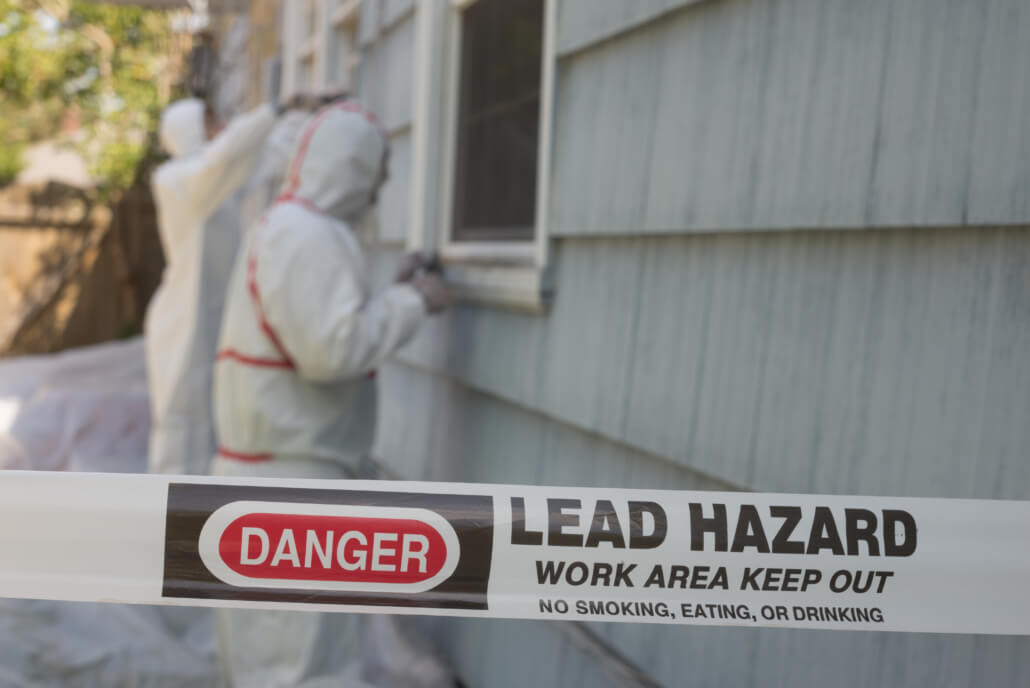
Report Highlights Effective State Strategies to Improve Lead Screening and Treatment in Children

Shutterstock.com
More than 535,000 children in the United States under age five have high blood lead levels, and low-income and minority children who live in older housing are particularly at risk. This issue brief details the health impacts of lead toxicity in children and Centers for Medicare & Medicaid Services requirements for screening and treatment under Medicaid and the Children’s Health Insurance Program. It highlights several effective state strategies to improve screening and treatment of lead toxicity in children.
Read the report: Lead Screening and Treatment Services under Medicaid and CHIP
This work is supported by the Health Resources and Services Administration (HRSA) of the Department of Health and Human Services (HHS) under grant number UC4MC28037 Alliance for Innovation on Maternal and Child Health: Expanding Access to Care for the Maternal and Child Health Population.





 For individuals living with complex, often chronic conditions, and their families, palliative care can provide relief from symptoms, improve satisfaction and outcomes, and help address critical mental and spiritual needs during difficult times. Now more than ever, there is growing recognition of the importance of palliative care services for individuals with serious illness, such as advance care planning, pain and symptom management, care coordination, and team-based, multi-disciplinary support. These services can help patients and families cope with the symptoms and stressors of disease, better anticipate and avoid crises, and reduce unnecessary and/or unwanted care. While this model is grounded in evidence that demonstrates improved quality of life, better outcomes, and reduced cost for patients, only a fraction of individuals who could benefit from palliative care receive it.
































































