Last week, 24 National Academy for State Health Policy (NASHP) leaders, including state lawmakers and representatives from governors’, budget, and insurance offices, Medicaid and public health agencies, and insurance exchanges, CHIP and health policy commissions met in Washington, DC, to assess the issues and opportunities confronting state health policymakers. The robust discussion helps NASHP set its priorities for action and informs the annual NASHP conference agenda.
While NASHP members approached the discussion from markedly different states and perspectives, several clear themes emerged. Costs, costs, costs: A recent Journal of the American Medical Associationarticle that highlighted the high price of health care in the United States – double what is spent in other, developed countries due to high-priced services, drugs, devices, and administrative costs – helped frame the critical issue of cost and affordability. Members were eager to talk in-depth about:
The role of value-based purchasing, and how policymakers can measure value and at what price.
How investments in the social determinants of health (e.g., housing, nutrition, and education) can truly bend the health care cost trajectory.
Is there more do to with reference pricing and giving consumers more power to shop?
Are there better ways to manage long-term services and supports and provide effective chronic care and end-of-life support?
Members encouraged NASHP to continue its work to address rapidly-rising pharmaceutical costs and to expand that effort to address other drivers of escalating health care costs. The changing health care marketplace: Consolidation of health providers, emergence of new players in the field such as the Berkshire-Hathaway proposal, and new mergers and acquisitions throughout health care raised questions about whether states’ current regulatory structures are keeping pace with these changes.
What is the role of state insurance regulators as providers develop new models of care and take on financial risk, a role that has historically been the purview of insurance companies?
Does the certificate of need program need to be re-examined and reformed to adapt to the changing market?
Do states have adequate data infrastructure to track and predict these changes?
Coverage and federal uncertainty: Officials reflected on a year of uncertainty and recounted their efforts to sustain programs while awaiting federal action or responding to federal changes. Children’s Health Insurance Programs (CHIP) were in limbo, but states managed to maintain coverage until Congress made a much-delayed decision to continue federal financing for 10 years.
Insurance regulators and state insurance exchanges reacted quickly to keep coverage in the individual market affordable when the Administration stopped funding cost-sharing reductions in the eleventh hour last fall. Now, they must contemplate how to sustain markets in light of proposed federal plans to extend short-term duration plans and launch association health plans that are exempt from Affordable Care Act rules. which could pull enrollees out of state marketplaces with their low-cost, low-benefit plans.
As the Centers for Medicare & Medicaid Services allows more flexibility in Medicaid programs, what does that mean in practice? How will work requirements play out? What other approaches might states take? Health care workforce: A changing health care environment creates the need for new approaches to deliver care, such as telehealth, but NASHP members shared an overriding sense of urgency to address the growing demand for a health care workforce in both rural and urban areas. They reported challenges in their home states in every area of health care, including physicians, nursing, therapists, community health workers, dental providers, behavioral health practitioners, and long-term services and supports staff. Without an appropriate workforce, state efforts to improve care integration and delivery and payment reforms will be hindered. What can states do through licensure, education, salary, and benefits to expand this vital workforce? And, how does federal immigration policy affect the availability of these critical workers? Improving health: As state leaders face day-to-day challenges, the over-arching focus of their work is to improve population health and directly address the social determinants that impact health so profoundly. The opioid crisis continues to demand leaders’ time and action, but comprehensive work is also underway to build sustainable systems to improve health. Leaders discussed new ideas to:
Create or strengthen linkages with school health programs;
Improve transitions for youth with disabilities who age out of supportive services;
Assist those leaving corrections systems;
Help children and youth with special health care needs; and
Employ new, evidence-based approaches that strengthen early child development.
Throughout the conversation, leaders stressed the need for state officials to break out of funding and administrative silos so they can work collaboratively and creatively to develop and implement efficient and effective policies during this period of uncertain federal priorities and funding.
Armed with these insights and concerns, NASHP will continue to work in these key areas and address them at its annual health care policy conference from Aug. 15 to 17, 2018, in Jacksonville, FL.
https://oldsite.nashp.org/wp-content/uploads/2018/03/nashp-meeting-pix-3_23_2018.jpg30244032NASHP Writershttps://oldsite.nashp.org/wp-content/uploads/2021/12/NASHP-Logo_website_168x157.pngNASHP Writers2018-03-27 08:58:092019-08-09 17:30:06NASHP State Leaders Meet to Reflect and Plan in a Changing Health Care Environment
On Friday, March 23, 2018, Congress faces an important deadline to pass an omnibus budget bill to avert a government shutdown. Measures to bolster states’ Affordable Care Act (ACA) markets are currently not in the bill, but a group of lawmakers have proposed an amendment that could strengthen and stabilize insurance markets.
Sens. Lamar Alexander and Susan Collins and Reps. Greg Walden and Ryan Costello released legislative language earlier this week that includes several significant provisions, including allocation of more than $30 billion to fund state reinsurance or high-risk pool programs.
A Congressional Budget Office analysis of the bill estimates the funding would decrease premiums on average by 10 percent in 2019 and 20 percent in 2020 and in 2021. Under this plan, middle-income consumers (earning more than 400 percent of the federal poverty level-FPL) would experience the greatest gains from the reinsurance/high-risk pool program. However, an accompanying analysis suggests the bill would lead to coverage losses due to consumers earning between 200 and 400 percent of FPL dropping their coverage as a result of federal funding for the cost-sharing reduction (CSR) program, which offers smaller federal subsidies for health insurance for this population.
Below is a summary of the major components of the Alexander-Collins-Walden-Costello proposal. Reinsurance/High-Risk Pool Funding
Federal funding for a reinsurance or high-risk pool program. The program would allocate $10 billion per year from 2019 to 2021 to states to operate a reinsurance or high-risk pool program, and $500 million in 2018 to cover the costs of creating the program. The program would exist under ACA’s Section 1332 waiver authority, but exempts the program from budget neutrality and state matching requirements typically associated with 1332 waivers. The proposal gives states latitude to define their high-risk pool or reinsurance program, but authorizes the US Department of Health and Human Services (HHS), in consultation with the National Association of Insurance Commissioners (NAIC), to determine how funds should be allocated to states. HHS will operate a federal default program in states that do not pursue their own reinsurance or high-risk pool program. It also provides an expedited 45-day approval process for states seeking 1332 waivers to establish their program.
Changes to ACA’s 1332 Waiver Program
Streamlines administrative procedures for 1332 waivers. Extends flexibility by allowing states to pursue waivers if they secure certification from their governors (rather than securing state legislative approval.)
Loosens affordability standard for 1332 waivers. Changes the requirement that coverage under a 1332 waiver must be “as least as affordable” as coverage under the ACA. Instead, it establishes that coverage be of comparable affordability for low-income individuals, individuals with serious health needs, and other vulnerable populations.
Loosens budget neutrality requirements. Instead, mandates that the waiver should not increase the federal deficit over the term of the waiver and over the 10-year budget plan submitted in conjunction with the waiver application. It also provides flexibility so that HHS may consider the budgetary effects on other federally-funded programs (e.g., Medicaid) in assessing budget neutrality requirements.
Expedites waiver approvals: Shortens the time during which HHS must approve or deny a waiver from 180 to 120 days. Provides an expedited 45-day approval process for emergency waivers (where states are at risk of excessive premium increases or bare counties) and copycat waivers (waivers substantially similar to that approved in another state).
Extends the waiver approval period. Allows HHS to approve waivers for up to six years (as opposed to five) and allows waivers to be approved for additional six-year periods.
Limits suspension of waivers. Ensures that HHS cannot suspend or terminate waivers prior to the end of the waiver period unless the state has materially failed to comply with the terms of the waiver.
Requires HHS to develop model waiver language. Within 60 days, HHS must develop model waivers that could include plans to establish a reinsurance program or invisible high-risk pool, expand insurer participation and access to affordable plans, encourage value-based insurance design, and provide varied health plan benefit designs.
Eliminates all 1332 regulations and guidance issued prior to the enactment of this proposed law.
Funds the Cost-Sharing Reduction (CSR) Program
Appropriates funding for CSRs from 2017-2021. The appropriation would cover costs incurred under the CSR program from Oct. 1, 2017, through Dec. 31, 2021. Insurers would only be eligible for CSR payments in 2018 if the insurer did not otherwise increase its premiums to account for elimination of program funding. (Read more about CSRs.)
Extend Availability of Catastrophic (Copper) Health Plans
Removes restrictions on catastrophic health plans. Eliminates restrictions barring individuals older than age 30 from purchasing catastrophic health plans.
Merges catastrophic enrollees into a single risk pool. Ensures that catastrophic enrollees are included as part of the individual markets single risk pools.
Invests in Marketplace Marketing and Outreach
Dedicates federal funds for federal marketplace outreach and enrollment activities. Dedicates $105.8 million collected from marketplace issuer fees for outreach and enrollment activities in 2019 and 2020. HHS may give grants to states for the purposes of fulfilling these activities.
Requires reporting on enrollment and outreach programs. Requires HHS to issue biweekly enrollment reports during the 2019 and 2020 open enrollment seasons. Requires HHS to issue annual summary reports on Navigator performance and advertising and outreach activities conducted for in 2019 and 2020.
Regulations Related to Multi-State Compacts
Requires NAIC to issue regulations under Section 1333 of the ACA. Section 1333 allows states to form “health care choice compacts” under which insurers would be permitted to sell qualified health plans to consumers in any state participating in the compact.
Short-term Limited Duration Plans
Requires consumer education about limitation of short-term plans. Requires state insurance commissioners to require short-term plan insurers prominently display the fact that short-term plans do not meet the coverage and benefit requirements of ACA-qualified health plans in marketing materials, contracts, and application materials.
Codifies state legislative and regulatory flexibility over short-term plans. Establishes that states may regulate short-term plans as long as state regulations do not interfere with federal requirements.
https://oldsite.nashp.org/wp-content/uploads/2021/12/NASHP-Logo_website_168x157.png00NASHP Writershttps://oldsite.nashp.org/wp-content/uploads/2021/12/NASHP-Logo_website_168x157.pngNASHP Writers2018-03-20 13:22:072019-10-17 13:13:33Congressional Leaders Propose ACA Insurance Stabilization Measures in Omnibus Budget Bill
State health policymakers are eagerly waiting to see if Congress’ omnibus budget bill released this week will attempt to stabilize Affordable Care Act (ACA) insurance markets by reinstating ACA’s cost-sharing reduction (CSR) payments. An early proposal by US Sen. Lamar Alexander would fund the cost-sharing subsidies, which reduce a family’s out-of-pocket health care costs, retroactively from 2017 through 2021.
While this is a potential solution to how the federal government can subsidize health insurance for some consumers who purchase insurance through ACA markets, data collected by the National Academy for State Health Policy (NASHP) illustrates the complex interplay between marketplace subsidies and consumer decisions that states face.
States and insurers demonstrated incredible dexterity in quickly redesigning insurance plans in response to the Administration’s late-in-the-game decision to end CSR payments in October 2017. The result was that consumers faced new confusion as insurance plans were revamped and repriced in 2018, resulting in major enrollment shifts both off and within health insurance marketplaces. Below, NASHP presents 2018 enrollment data collected by state-based marketplaces (SBMs), which closely manage their own exchanges, highlight how state actions to address the loss of CSR funding influenced market decisions in 2018. Key findings indicate:
Decreased enrollment in marketplace silver plans, especially among consumers who no longer had access to CSR subsidies and who did not qualify for tax credits;
Enrollment growth in marketplace bronze plans;
Mixed enrollment growth or declines in gold plans; and
Mixed growth, and some declines in the total number of subsidized enrollees in the marketplaces.
The findings do not provide a complete picture of what has occurred in markets nationwide, as the data represent only 10 states and do not include complete information about off-marketplace enrollment patterns or full consideration of other factors that may have influenced enrollment during the 2018 enrollment period, including shortened enrollment periods and other factors influencing premium costs. However, they provide a glimpse into how states’ markets reacted to federal policy shifts and the serious ramifications of CSR changes wrought by Washington on consumer purchasing behaviors. Background Under the CSR program, insurers are required by federal law to cover certain out-of-pocket expenses (e.g., deductibles, copayments, coinsurance) for enrollees with incomes below 250 percent of the federal poverty level (FPL). CSRs are only available through silver-level health plans purchased on the state or federal health insurance marketplaces. Typically, silver-level plans have an actuarial value (AV) of 70 percent, meaning that the plan must cover in aggregate at least 70 percent of the health care costs received under the plan. CSRs change the AV of plans by varying amounts depending on the income of the qualifying consumer (see Table 1).
Table 1. Qualifying for CSRs
To qualify for the ACA’s CSR program, consumers must purchase silver-level health plans and have incomes between 100 to 250 percent of FPL, which in 2018 ranged from $16,642 to $30,150 for individuals and from $33,948 to $61,500 for a family of four.
CSR-Eligible Plan
Standard Silver
Silver 73
Silver 87
Silver 94
Income
Any
200-250% FPL
150-200% FPL
100-150% FPL
Actuarial Value
70%
73%
87%
94%
The ACA designed the CSR program so that insurers would be reimbursed for expenditures incurred under the program, and would be paid back whatever costs were charged to ensure that consumers who received services were only paying out-of-pocket expenses in line with the AV of their CSR-eligible health plan. Questions about the exact language of the CSR law spurred litigation over whether it was legal for the government to issue reimbursements without an explicit appropriation for the program. Pending the outcome of this litigation, the Administration stopped issuing CSR reimbursements. Response to Elimination of Federal CSR Reimbursements After the Administration stopped CSR payments last October, most state regulators directed their insurance carriers to adjust their 2018 premium rates to account for CSR losses. Not responding to the issue would have left insurers exposed to the lost federal funding, possibly resulting in insurers opting to not participate in markets. As CSR payments most directly affected silver-level plans sold on the marketplaces, most states and carriers opted to load premium increases onto silver-level plans offered through their insurance marketplaces. The Congressional Budget Office (CBO) estimated that silver plan premiums increased by 10 percent on average in 2018 in response to elimination of CSR funding. Among the states that operate their own marketplaces, only three did not load the increases onto their silver plans. These included:
Colorado, which advised its insurers to distribute premium increases across all metal levels to mitigate the effect on silver-level plans;
Vermont, which similarly distributed premium increases across all metal levels due to uncertainty over the effects of the changes on its uniquely-merged individual and small group markets; and
Washington, D.C., which calculated that elimination of the CSR payments would have minimal effect on its market due to low enrollment of CSR-eligible individuals.
CSR Loading Had Differing Impacts on Subsidized and Non-subsidized Consumers Silver-loaded premiums shifted the affordability and value of plans offered through marketplaces, distorting costs and participation in the markets. For consumers who were eligible for premium tax credits to subsidize their coverage (82 percent of marketplace consumers in 2017), some coverage options became even more affordable. This is because the tax credit is calculated based on the second-lowest-cost silver plan available to a consumer. As a result, as silver premium costs increased in response to CSR elimination, so did the total amount of tax credit a qualifying consumer could receive. This increase in tax credits — combined with more marginal increases in premiums for bronze- and gold-level plans than for silver plans — meant that both bronze and gold plans became more affordable for these consumers. Availability of these more affordable plans may have attributed to the enrollment increases seen in some states’ marketplaces.
While the silver-loading strategy served the important purpose of insulating lower-income consumers from CSR losses, it resulted in increases costs for consumers who were ineligible for tax credits. The increased premiums escalated affordability concerns and forced many of these consumers to seek cheaper options, either by enrolling in lower-value bronze plans or by disenrolling from marketplace coverage entirely. These changes had important repercussions for both consumers and insurers participating in the markets.
Distorted market competition and enrollment. CSR payment elimination had disproportionate effects on marketplace insurers as they adjusted premium rates differently based on the proportion of CSR-eligible consumers enrolled in their plans. Insurers with a greater proportion of CSR-eligible individuals increased premiums by a higher amount than those with fewer CSR-eligible enrollees. In California, for example, CSR-induced premium rate increases ranged from 8 percent to as much as 27 percent. This lead to a distortion of premium prices between insurers and generated shifts in market share as consumers switched to insurers whose plans had smaller premium growth.
Increased consumer susceptibility to out-of-pocket spending. The lower-cost bronze plans, which offer less coverage, enticed more consumers to purchase them. While this lowered consumers’ annual spending on premiums, the lower AV of bronze plans means that these consumers are at greater risk of higher out-of-pocket spending. This is especially true for consumers who were once CSR-eligible but switched from silver to bronze plans without considering the resulting out-of-pocket costs.
Complete disenrollment from individual market coverage. While the total impact of CSR changes on enrollment cannot be known without additional data about off-marketplace enrollment, it is highly probable that premium increases and confusion over the changes in premium costs spurred some non-subsidized consumers to drop insurance coverage altogether. These drops in coverage led to altered market risk pools and premium increases.
Consumers Shifted Purchasing Patterns in 2018 While it is not possible to determine the absolute effect of CSR elimination on consumers’ behavior, initial data collected by the 10 SBM states indicate that state and insurer decisions to silver-load influenced consumers’ choices in 2018. Key patterns that emerged include:
Disenrollment in silver-level health plans, especially among unsubsidized consumers: While the majority of consumers from these states continued to select silver-level health plans, there was an almost a universal drop in the proportion of enrollees selecting silver-level plans (exceptions include Colorado and Vermont, which did not silver-load, and Minnesota, whose Basic Health Program for consumers earning up to 200 percent FPL offset the effect of CSR losses.) As expected, shifts away from silver plan selections were more common among individuals who did not receive tax credits.
Growth in enrollment in bronze plans: There was almost universal growth across all states in the proportion of enrollees who selected bronze plans, with the exception of Minnesota and Vermont, which only saw marginal reduction in bronze plan selections.
Varied growth or disenrollment in gold plans: Changes in gold selections vary across states, from Colorado where the proportion of gold enrollments dropped by nearly one-third to Maryland where gold enrollments increased nearly four-fold.
Different trends in enrollment among subsidized and unsubsidized consumers in these states indicate that CSR policies did not by themselves drive shifts in enrollment. It is also likely that the total effect of the CSR issue varied greatly across all states, depending on several factors including:
The proportion of unsubsidized marketplace consumers in the state — especially those enrolled in silver plans who were most susceptible to silver-loaded premiums; and
Baseline premium prices of bronze or gold alternatives for consumers seeking to shift away from silver plans.
Investments in education and outreach also affected how consumers responded to CSR-loading in various states. The Massachusetts’ Health Connector, for example, was among several states that took extensive steps to urge its unsubsidized silver-plan enrollees to seek more affordable options either on or outside the marketplace. Connector officials reported that they were successful in moving 82 percent of affected enrollees into new coverage plans. This meant that 18 percent of unsubsidized consumers remained in silver plans, despite its aggressive outreach efforts to inform consumers about the availability of more affordable options. Outlook for States and Markets Pending Federal Action While this information provides a snapshot of enrollment patterns in 2018 from 10 states, it indicates that responses to the CSR funding elimination had diverse effects on states’ markets and consumers. Similarly, if CSR funding is reinstated, the effect will reverberate differently across states’ markets and consumers. Significant changes could mean another year of disruption for insurers, who will need to adapt products and rates based on shifting federal policy, and consumers, who may need to once again actively shop around and switch plans next year. The CBO estimates that 500,000 to 1 million consumers would become uninsured from 2020 to 2021 if CSR funding was reinstated. These would mostly impact consumers with incomes between 200 to 400 percent FPL who would no longer would benefit from tax credits, which are larger than CSR subsidies.
While states and insurers rapidly responded to the Administration’s decision to end the CSR program in 2017, an absence of clear policies and continuous last-minute changes will spur unrest in markets. Without sustainable policies to stabilize the individual market, consumers will face higher costs, confusion, and anxiety about whether insurance coverage will be available when they need it.
While CSR funding remains a concern to some states, states are also seeking solutions that could bring immediate stability to markets, such as federal reinsurance funding. Whatever policies are implemented this spring, time is of the essence as state regulators are already in active negotiations with their insurers for 2019 offerings, with rate filings expected in some states as early as May. Ideally, future federal policies will grant states sufficient time and flexibility to respond to policy changes in a manner most appropriate for their markets.
Click here to view a chart comparing marketplace enrollment by metal level in California, Colorado, Connecticut, Idaho, Maryland, Massachusetts, Minnesota, Rhode Island, Vermont and Washington State.
https://oldsite.nashp.org/wp-content/uploads/2018/03/health-care-cost-with-calculator-Image-courtesy-of-everydayplus-at-FreeDigitalPhotos.net-3_19_2018.jpg266400NASHP Writershttps://oldsite.nashp.org/wp-content/uploads/2021/12/NASHP-Logo_website_168x157.pngNASHP Writers2018-03-20 09:53:522019-10-17 13:14:34How Elimination of Cost-Sharing Reduction Payments Changed Consumer Enrollment in State-Based Marketplaces
Last month, the departments of the Treasury, Labor, and Health and Human Services released a proposed rule that changes the definition of short-term, limited-duration insurance (STLDI) plans to make it easier to sell the plans, which do not have to adhere to Affordable Care Act (ACA) requirements, such as covering people with pre-existing conditions.
This proposed rule is the latest federal action to implement President Trump’s Executive Order promoting “health care choice and competition” in the United States. The cumulative effect of this proposed rule plus elimination of the individual mandate penalty and increased availability of association health plans under another pending rule is expected to significantly affect states’ insurance markets in 2019.
STLDI is insurance that individuals can purchase on a short-term basis, particularly consumers who need to fill a gap in coverage — such as when they change jobs and need interim coverage until their new employers’ insurance kicks in. Short-term plans are largely unregulated and exempt from many federal regulations, including several enacted under the ACA, including:
Guaranteed issue: Requires insurers to cover individuals regardless of pre-existing conditions;
Community rating: Prohibits insurers from charging consumers more for coverage based on their health rating;
Annual and lifetime limits: Prohibits insurers from setting annual and lifetime dollar limits on the amount of their plans’ coverage;
Medical-loss ratio: Requires insurers to spend at least 80 percent of premium dollars received on health care services; and
Essential health benefits: Requires all plans to cover certain benefits within 10 defined categories, including hospitalizations, maternity care, mental health and substance use disorder services, and prescription drugs.
Often, short-term plans are designed as low-cost, low actuarial value products targeting healthy individuals. States can impose their own laws and regulations over STLDI policies – even stricter than federal regulations. However, currently states have differing levels of regulatory oversight over STLDI. Given the federal government’s proposal to enhance the sale of these plans, some states are now reviewing and tightening their legislative reach over these short-term plans to make sure the consumer protections they want are in place in their markets. Major Rule Changes Proposed The proposed rule includes several changes aimed at expanding the availability and access to STDLI plans. The rule:
Allows for short-term plans to be sold to consumers covering a period of less than 12 months;
Allows for individuals to reapply for short-term plans, which had been prohibited under prior federal regulation;
Stipulates that consumers who purchase these plans must be informed that these short-term plans may not comply with ACA requirements; and
Continues to allow federal and state governments to not enforce STLDI regulations codified in 2016 insurance regulations.
The rule would be effective 60 days after enactment of the final rule, meaning that short-term plans meeting these parameters could be sold as early as this year.
This rule contrasts with a 2016 rule that stipulated that short-term plans could only be sold for a period of three months and limited consumer’s ability to renew STLDI coverage. The 2016 rule was designed to limit any negative impact that short-term plans could have on premium costs and risk mix of plans sold by state ACA marketplaces. Effect of STDLI on State Insurance Markets There is no question that the proposed rule will have a significant impact on most state markets. While short-term plans provide consumers with low-cost insurance options, the coverage is expected to provide limited benefits with high deductibles, putting consumers at risk of large out-of-pocket costs if they need to use comprehensive health services. Moreover, increasing the availability of short-term plans will draw consumers out of the individual market risk pool and could raise the risk of adverse selection—or unhealthy risk mix-in other individual market plans, including plans offered by state and federal health insurance marketplaces.
If enacted this year, the rule could lead to insurer instability in 2018. These carriers are locked into contracts and pricing that depended on a defined risk mix of customers – including a mix of healthy individuals and those with costly health care needs. Insurers could experience financial losses if healthy consumers leave these plans and enroll in STLDI plans this year. The rule will also lead to premium increases for individual market coverage offered in 2019 and beyond. The proposed rule estimates that 100,000 to 200,000 individuals will drop out of marketplaces to enroll in short-term plans in 2019.
Enrollment in short-term plans will be exacerbated by the elimination of the individual mandate penalty passed in the December 2017 Tax Reform Bill. Without a mandate requiring people to purchase “minimum essential coverage” (insurance that meets federal regulatory standards), consumers will be free to purchase de-regulated coverage options like STLDI. A recent Urban Institute analysis estimated that 4.2 million individuals would enroll in STLDI plans in 2019 if the rule were enacted as proposed. The report also estimates that individual market premiums will increase by an average of 16.4 percent in 2019 due to the cumulative effect of the loss of the individual mandate penalty and the enactment of the STLDI rule. See The Potential Impact of Short-Term Limited-Duration Policies on Insurance Coverage, Premiums, and Federal Spending for state-by-state estimates. State Actions to Address STLDI States have authority to impose their own regulations over short-term plans sold in their markets. Some have explicitly exempted short-term policies from benefit and other requirements imposed on other health insurance products. This enables issuers to offer low-cost options in certain states that serve as insurance protection against catastrophic events, but do not provide comprehensive coverage. Others have heighted restrictions over the sale of short-term plans in order to:
Preserve a healthier risk mix in their individual markets; and/or
Protect consumers against misleading marketing tactics practiced by some STLDI issuers and exorbitant out-of-pocket costs that might result.
As described in the Urban Institute’s report, Massachusetts, New Jersey, New York, Oregon, Vermont, and Washington currently have laws that would prevent an expansion of STLDI. Michigan and Nevada have laws to “limit STLD policy expansion.”
A few state legislatures have taken up STLDI insurance legislation during their current sessions. Proposed legislation in Missouri (HB 1685) and Virginia (SB 844) will conform state STLDI policies with those under the proposed federal rule, specifically to allow the sale of short-term plans that cover up to 364 days. Additional legislation is pending in Missouri (SB 860) to exempt STLDI from meeting requirements imposed on other health insurance products while also enforcing specific disclosure notices that STLD issuers must provide to consumers to inform them about the limited scope of this coverage.
Legislation in New Jersey and Vermont would state tighten regulation over STLDI. New Jersey’s (S 1210) legislation would require STLDI policies to meet the standards of other health insurance products. Vermont’s (H 892) would institute the 2016 federal regulation requirements by restricting the sale of products to only three months and limiting the renewability of short-term plans.
The release of this proposed rule carries additional weight for states that are currently in the midst of negotiating 2019 health insurance rates with their carriers. Absent strong state regulations, some states may have to set rates without knowing what will be enacted in the final rule.
The National Academy for State Health Policy (NASHP) will continue to monitor state actions during the current legislation session and rate-filing season to share critical information about the impact of these policies on states. Comments on the proposed rule are due April 23.
https://oldsite.nashp.org/wp-content/uploads/2018/03/health-insurance-concept-Image-courtesy-of-everydayplus-at-FreeDigitalPhotos.net-2_9_2018.jpg266400NASHP Writershttps://oldsite.nashp.org/wp-content/uploads/2021/12/NASHP-Logo_website_168x157.pngNASHP Writers2018-03-06 09:06:452019-10-17 13:12:11Federal Promotion of Short-Term Health Insurance Plans: How Will These Plans Impact State Insurance Markets?
https://oldsite.nashp.org/wp-content/uploads/2018/02/Artboard-1-2.png8931085NASHP Staffhttps://oldsite.nashp.org/wp-content/uploads/2021/12/NASHP-Logo_website_168x157.pngNASHP Staff2018-02-26 10:52:202020-02-03 15:05:11How Governors Addressed Health Care in Their 2018 State of the State Addresses
In January 2018, the Centers for Medicare & Medicaid Services (CMS) issued a new policy allowing states to implement work and community engagement requirements for certain Medicaid enrollees. States must seek federal approval to require non-elderly, non-pregnant, and non-disabled adults to meet these requirements to qualify for full or partial Medicaid coverage.
In February 2021, the Biden Administration took steps to rescind the 2018 guidance allowing states to implement Medicaid work requirements and sent letters to states indicating that CMS was in the process of determining whether to withdraw states’ approved work requirement waivers. This chart summarizes states’ pending and approved Section 1115 waivers, waiver renewals, and waiver amendments to implement work and community engagement requirements that were in effect prior to the Biden Administration’s actions.
For a printable version or to view the complete chart, click here.
On June 24, 2021, CMS withdrew the waiver approval, indicating that it does not promote program objectives (as noted below, the work requirement had not been implemented)
Originally approved Jan. 18, 2019; not yet implemented. On Oct. 17, 2019 the state indicated that it would postpone implementation of the work requirements due to litigation in other states.
On March 17, 2021, CMS withdrew the waiver approval, indicating that it does not promote program objectives; withdrawal is effective April 16, 2021 unless the state appeals.
Originally approved March 5, 2018; began implementing as of June 1, 2018. On Aug. 14, 2018, the National Health Law Program, the Legal Aid Society of Arkansas, and the Southern Poverty Law Center filed a lawsuit challenging the waiver. On March 27, 2019, a federal district court judge ruled that implementation of the work requirements must be halted; the federal government appealed the decision. On Feb. 14, 2020, a federal appeals court ruled that the waiver amendment approval was unlawful, confirming the earlier decision.
On June 24, 2021, CMS withdrew the waiver approval, indicating that it does not promote program objectives (as noted below, the work requirement had been suspended)
Originally approved Feb. 2, 2018; began implementing as of Jan. 2019 (but no work hours are required during the first six months). On Sept. 23, 2019, the National Health Law Program and Indiana Legal Services filed a lawsuit challenging the waiver. In response, in late October the state indicated that it would be suspending the work requirements until the lawsuit is resolved.
On April 6, 2021, CMS withdrew the waiver approval, indicating that it does not promote program objectives
Originally approved Dec. 21, 2018; implemented Jan. 1, 2020 (though implementation of the waiver’s premiums and healthy behavior requirements were postponed until Oct. 1, 2020). Also, SB 362 was signed into law, which exempts individuals from having to report compliance if the state can determine compliance through other data, and allows individuals more time to report compliance. On Nov. 22, 2019, a lawsuit was filed challenging the approved waiver. On March 4, 2020, a federal district court ruled to block the work requirements.
On June 1, 2021, the state indicated that it would be withdrawing the waiver (as noted below, the work requirement for the Prime benefits package had not been implemented) and starting Oct. 1, 2021, all enrollees will receive state plan benefits (which are the same as Prime benefits)
Approved Oct. 20, 2020; not yet implemented
On Feb. 25, 2021, Nebraska Appleseed and the National Health Law Program filed a lawsuit challenging the waiver.
On March 17, 2021, CMS withdrew the waiver approval, indicating that it does not promote program objectives; withdrawal is effective April 16, 2021 unless the state appeals.
Originally approved May 7, 2018 (implemented as of March 2019, but reporting did not begin until June 2019). On March 20, 2019, the National Health Law Program, New Hampshire Legal Assistance, and the National Center for Law and Economic Justice filed a lawsuit challenging the waiver; in July 2019, a federal district court judge ruled to block the waiver. Also, on 7/8/19, Gov. Sununu announced that any penalties associated with noncompliance would be delayed through September 2019, and also signed into law SB 290, which adds additional exemptions for individuals, suspends rather than terminates coverage for noncompliance, and waives the work requirements if a substantial number of individuals are unable to comply.
Nov. 2018 ballot measure to adopt full ACA Medicaid expansion beginning 4/1/19 was passed by voters. However, state legislature passed and governor signed into law S 1204 in April 2019 to modify the voter-approved expansion to include work requirements, as well as other changes.
Implemented ACA Medicaid expansion (expansion was scheduled to sunset in July 2019; in May 2019 a bill to continue the expansion that adds work requirements was signed into law)
Nov. 2018 ballot measure to adopt full ACA Medicaid expansion was passed by voters. A state plan amendment was submitted in April 2019, to implement expansion no later than Oct. 2020 (which occurred). The implementation delay was due to the state seeking a waiver to modify the expansion, including adding work requirements to obtain an enhanced benefits package of “Prime” benefits.
Prime benefits consist of dental, vision, and OTC medications; individuals must also meet other requirements to qualify for Prime benefits, such as annual health visits and completing a health risk assessment.
Waiver proposes to increase the income threshold for the Parent as a Caretaker Relative program to 100% FPL (approving in separate waiver)
Waiver proposes to extend current coverage for pregnant up to 194% FPL from 60 days postpartum to one-year postpartum (not approved)
Waiver proposes to expand coverage to individual not otherwise eligible for Medicaid who meet certain criteria–chronically homeless, justice involved, needing SUD treatment (approving in separate waiver as new Targeted Adult Group)
Waiver also seeks to provide individuals who lose Medicaid eligibility due to employment and who are not eligible for ESI with financial assistance to purchase QHP coverage (not approved)
Nov. 2018 ballot measure to adopt full ACA Medicaid expansion beginning 4/1/19 was passed by voters. However, state legislature passed and governor signed into law SB 96 in Feb. 2019 to modify the voter-approved expansion. The first phase of SB 96 only expanded Medicaid up to 100% FPL, at the state’s regular FMAP, and was approved in March 2019. This implementation toolkit outlines the state’s plan.
In Nov. 2019, the state submitted a waiver for the “fallback” plan, which implements the full ACA expansion at the enhanced match rate, with work requirements, which was approved in Dec. 2019.
Requirements will increase over the course of the individual’s first year of participation, beginning at five hours/week at the seventh month of enrollment and increasing to 20 hours/week at 18 months and beyond
Enrollees must meet the community engagement requirements for eight months per calendar year
80 hours/month
To be eligible for the Prime benefits package, in addition to complying with certain wellness activities, individuals must meet the work requirements in the second year of implementation (scheduled for 4/1/22).
During the initial benefit period after the work requirement takes effect, individuals must meet the requirement in four out of six months. For subsequent benefit periods, individuals must meet the requirement in each of the six months preceding the individual’s benefit review date (which begins the first day of the fifth month of the current benefit period).
Average of 80 hours/month, with a phased-in hours per week approach available:
-First three months no verification required (grace period);
-At least 10 hours/week for 4-6 months of enrollment
-At least 15/hours week for 7-9 months of enrollment
-At least 20 hours/week for 10-12 months of enrollmentIndividuals recently released from incarceration will have a 9-month grace period
-Employment
-On-the-job training
-Job search and job readiness activities
-Attendance in high school, GED certification classes, an institution of higher education, or vocational classes
-Volunteer work activities or community service
-Technical training
Individuals who fulfill the work requirements but become ineligible due to their income level exceeding Medicaid eligibility levels will be provided with 18 months of transitional Medicaid coverage.
-Employment, including self-employment
-Participating in employment readiness activities, which can include:
-Education (less than full time)
-Job skills training
-Life skills training
-Health education classes
-Engage in job search activities similar to those required to receive unemployment benefits
-Community service
-Employment or self-employment, or those whose income is consistent with being employed/self-employed at least 80 hours/month
-Enrollment in educational program (high school, higher education, or GED classes)
-On-the-job or vocational training
-Job search or job search training (up to 40 hours/month)
-Community service
-Participation in classes on health insurance, using health care, or healthy living (up to 20 hours/year)
-Participating in programs through state Department of Workforce Services
-Compliance with either SNAP or Transitional Employment Assistance (TEA) employment programs
-Subsidized or unsubsidized public or private sector employment, including self-employment and employment as an independent contractor
-On-the-job training
-Participation in job readiness activities directly related to the preparation for employment, including habilitation and rehabilitation activities and GED programs
-Community service with public or non-profit organizations
-Vocational educational training (limited to 12 months in an individual’s lifetime, unless enrolled in vocational education for a highly sought after trade through the Technical College System of Georgia High Demand Career Initiative)
-Enrollment in an institution of higher education (qualifying hours earned will vary based on course load)
-Enrollment and active engagement in the Georgia Vocational Rehabilitation Agency Vocational Rehabilitation program, as long as the individual has been determined eligible for these services based upon a documented disability and complies with program terms
-Working at least 20 hours per week, averaged monthly, or earning wages equal to or greater than the federal minimum wages for 20 hours of work per week
-Participating in and complying with the requirements of a work training program at least 20 hours per week, as determined by the department
-Volunteering at least 20 hours per week, as determined by the Idaho Department of Health and Welfare (IDHW)
-Enrolled at least half-time in post-secondary education or another recognized education program, as determined by IDHW, and remaining enrolled and attending classes during normal class cycles
-Meeting any combination of working, volunteering, and participating in a work program for a total of at least 20 hours per week, as determined by IDHW
-Subject to and complying with a work program for TANF or participating and complying with a workforce program in SNAP
-Subsidized or unsubsidized employment
-Participating in state’s Gateway to Work program
-Managed care entities employment initiatives
-Job skills training
-Job search activities
-Education related to employment; general education (e.g. GED or community college)
-Accredited ESL education or homeschooling
-Vocational education/training
-Community work experience
-Community service/public service
-Volunteer work
-Caregiving services for a non-dependent relative or other individual with a chronic, disabling health condition
-Compliance with SNAP work requirements
Certain tribal members will be considered as meeting the Gateway to Work requirement due to tribe’s Pathways employment program.
Gateway to Work will also encourage enrollees with a substance use disorder to seek treatment by considering participation in treatment program as criteria for exemption.
-Employment, self-employment, or having income consistent with being employed or self-employed (e.g. makes at least minimum wage for an average of 80 hours per month)
-Education directly related to employment (i.e. high school equivalency test preparation, postsecondary education)
-Job training or vocational training directly related to employment
-Unpaid workforce engagement directly related to employment (e.g. internship)
-Tribal employment programs
-Participation in substance use disorder (SUD) treatment (court ordered, prescribed by a licensed medical professional, or Medicaid-funded SUD treatment)
-Community service completed with a nonprofit 501(c)(3) or 501(c)(4) organization (can only be used as a qualifying activity for up to 3 months in a 12-month period
-Job search directly related to job training
-Individuals in compliance with or who are exempt from SNAP or TANF work requirements will be deemed compliant with the Medicaid work requirements
-Working in paid employment
-Self-employment
-Participation with Office of Employment Security
-Volunteering with approved agencies
-Participation in alcohol or drug abuse treatment program
-Compliance with SNAP and TANF work requirements
Individuals who fulfill the workforce training or community engagement requirement but become ineligible due to their income level exceeding Medicaid eligibility levels will be provided with 12 month transitional medical assistance coverage. Once this coverage is exhausted, an additional 12 months of coverage will be offered if these individuals continue to meet the workforce training or community engagement requirement.
-Employment
-Work readiness and workforce training activities
-Secondary, postsecondary, or vocational education
-Substance abuse education or substance use disorder treatment
-Other work or work/community engagement activities that promote work or work readiness or advance the health purpose of the Medicaid program
-Community service or volunteer opportunity
-Any other activity required by CMS for the purpose of obtaining necessary waivers
-At least half-time enrollment at an accredited college, university, trade school, or post-secondary training program, including refugee employment program (individuals enrolled less than half-time can combine education hours with other approved activities to meet the requirement)
-Participation in course of study leading to a GED
-Participation in SNAP and/or TANF recognized job search activity for at least 20 hours per week (can be combined with other approved activities to meet the 80 hour/month requirement)
-Subsidized or unsubsidized employment
-Education directly related to employment, in the case of an individual who has not received a high school diploma or equivalent
-Secondary school/course of study leading to a certificate of general equivalence
-Enrollment at an accredited community college, college or university that is counted on a credit hour basis
-Vocational training (not to exceed 12 months)
-On-the-job training
-Job skills training related to employment
-Job search/readiness activities, such as job training workshops and time spent with employment counselors
-Participation in substance use disorder treatment
-Community service and public service
-Caregiving services for a non-dependent relative or other individual with a disabling health, mental health, or developmental condition
-Compliance with SNAP or TANF work requirements
-Work or employment in exchange for money
-Self employment
-Work in exchange for goods and services (in kind work)
-Unpaid work, including unpaid formal and informal volunteer, community service and public service activities
-Education and training activities
-Formal and informal job search or job readiness programs (for no more than 30 days in a year unless combined with another qualifying activity and less than half the required hours are spent in job search or job readiness programs or job search is the only activity completed)
-Participation in and compliance with SNAP and/or TANF work registration or employment and training requirements
-Employment
-Workforce Innovation and Opportunity Act (WIOA) Program
-Employment & Training (E&T) Program; job search or job search training activities when offered as part of other E&T program components are acceptable as long as those activities comprise less than half the total required time spent in the components
-Education related to employment
-General Education Development/Diploma (GED)
-Vocational education/training
-Participation in Oklahoma Works
-Volunteer work (e.g. classroom volunteer, faith-based or community service programs)
-Meeting any combination of work, participating in work training or volunteering the specified number of hours per week, averaged monthly
-Subsidized or unsubsidized employment, including self-employment
-Participation in adult secondary education program through public school district or technical college, including GED programs
-At least half-time enrollment in a degree or certificate program in an accredited institution of higher education
-Compliance with unemployment insurance work-search requirements
-Compliance with SNAP or TANF work requirements
-Participation in a tribal work program
-Community or public service, including verifiable volunteerism with public entities or qualified charitable organizations
-Employment
Meeting monthly milestones through activities such as:
-English as a second language courses
-Health insurance literacy courses
-Financial literacy courses
-Disease management courses and other healthy living courses
-Treatment for chronic or behavioral health conditions
-High school equivalency education
-Post-secondary education and training
-Volunteer work
-Caregiving for an elderly or disabled individual
-Resume writing and soft skills training
-Job searching
Individuals will be connected with a case manager to assist with connecting individuals to support services and to develop an employment and training plan
Individuals will be eligible for Transitional Medical Benefits (TMB) for 12 months if their income exceeds the Medicaid income eligibility limit, and for up to an additional 12 months of premium assistance if they have income above the Low Income Families program limit but below 100% FPL. One well-adult visit and one preventive dental visit is required during the period an individual is eligible for TMB to qualify for premium assistance.
-Paid employment
-Self-employment (individual must be able to demonstrate income consistent with working at least 20 hours/week, averaged monthly)
-General education (e.g. high school or high school equivalency, college, ESL courses, etc.)
-Vocational education and training
-Participation in job search or job skills training activities sponsored by the state’s Department of Labor & Workforce Development
-Accredited homeschooling
-Community service (volunteering) in approved settings
-Individuals complying with SNAP or TANF work requirements will be deemed compliant
Individuals will be required within the first three months starting on the first of the month following notification that the individual is subject to the work requirement (whichever is later), complete the following activities:
-register for work through the state’s online system;
-complete an online assessment of employment training needs;
-apply for employment, either directly or through the state’s automated employment application submission process, with at least 48 applications;
-complete the online training modules, as determined appropriate by the online assessment.
Once the required activities are completed, an individual will remain eligible for the remainder of the 12-month eligibility period.
-Working in exchange for money or for goods or services
-Unpaid work (e.g. volunteer work or community service)
-Self-employment
-Participating in allowable work, job training, or job search program (e.g. FoodShare Employment and Training and other state-approved workforce programs)
Non-medically frail individuals ages 19-49 in ACA Medicaid expansion group at or below federal poverty level, with individuals ages 19-29 exempt in 2018 (in the waiver, the state also requested limiting the ACA Medicaid expansion eligibility group to those earning 100 percent of the federal poverty level (FPL) or less; this aspect of the waiver was not approved)
Individuals ages 19 to 64 who are not currently eligible for Medicaid, which includes childless adults up to 100% FPL and parents/caretakers with income 35-100% FPL
Able-bodied individuals enrolled in Healthy Indiana Plan (HIP), up to age 60 (ACA Medicaid expansion group, Transitional Medical Assistance recipients, some parents and caretakers)
Non-disabled adults ages 19-64 covered under traditional Medicaid, including low-income parents and caretakers and individuals eligible for transitional medical assistance
Non-disabled adults under age 65 enrolled in the state’s Medicaid as a Parent Caretaker Relative program, Transitional Medical Assistance enrollees, and the new Targeted Adult Group
-Disabled individuals, including anyone receiving SSDI, SSI, or Medicare
-Medically frail individuals or individuals with a medical condition that prevents them from complying with the work requirements (validated by a medical professional)
-Pregnant women or women receiving post-partum care
-Individuals age 60 or older
-Individuals required to care for a disabled child or adult
-Individuals who are either compliant with or exempt from the TANF JOBS program
-An individual who is a single custodial parent caring for a child age 12 months or younger, or caring for a child under the age of 6 for whom appropriate childcare is not available
-Individuals who are able to provide a good cause for not meeting work requirement (similar to those in TANF JOBS program)
-Only one individual in the household can be exempted for any of the reasons related to being the parent or caretaker of a child or disabled individual, unless there are valid extenuating circumstances
-Individuals 50 years and older
-Individuals who are members of federally recognized tribes
-Pregnant women and post-partum women up to the end of the month in which the 60th day of post-pregnancy occurs
-Former foster youth up to age 26
-Individuals with serious mental illness
-Individuals receiving temporary or permanent disability benefits or who are determined to be medically frail
-Individuals who are in active treatment for a substance use disorder
-Full-time high school, trade school, college, or graduate students
-Victims of domestic violence or homeless individuals
-Caretakers of a child under age 18 or of a child who is 18 and is a full-time student expected to graduate before turning 19 (limit one caretaker per child)
-Caregivers who are responsible for the care of an individual with a disability
-Individuals with an acute medical condition (physical or behavioral) that would prevent them from complying
-Individuals with a disability as defined by federal disabilities rights laws who are unable to comply for disability-related reasons
-Individuals complying with other state-approved work programs
-Individuals 50 and older
-Full-time students (attending high school, an institution of higher education, vocational training, or job training)
-Those exempt from SNAP work requirements
-Those receiving Transitional Employment Assistance (TEA) cash assistance or who are exempt from TEA work requirements
-Individuals incapacitated in the short term or medically certified as physically or mentally unfit for employment, or has an acute medical condition validated by a medical professional that would prevent compliance with requirements
-Caregivers of an incapacitated individual
-Those who live with a minor dependent child age 17 or younger
-Those receiving unemployment benefits
-Those participating in alcohol or drug addiction treatment program
-Pregnant women, through the end of post-partum care
-Individuals determined to be medically frail
-Individuals under age 19 or over age 59
-Individuals who are physically or intellectually unable to work (including behavioral health barriers)
-Pregnant women
-Parents or caretakers who are the primary caregivers of a dependent child under the age of 18
-Parents or caretakers who are personally providing care for a person with serious medical conditions or a disability
-Individuals applying for or receiving unemployment compensation and complying with work requirements that are part of the federal-state unemployment insurance program
-Individuals participating in a drug addiction or alcohol treatment and rehabilitation program
-American Indians or Alaska Natives who are eligible for services through the Indian Health Service or through a tribal health program
-Full- and part-time students
-Pregnant women
-Primary caregivers of a dependent child below the compulsory education age, or who are primary caregivers of a disabled dependent
-Medically frail individuals
-Certification of temporary illness or incapacity
-In active substance use disorder treatment
-Individuals over age 59
-Former foster care youth under age 26 (they are not covered under the demonstration)
-Homeless individuals
-Individuals who are meeting or are exempt from TANF work requirements
-Recent incarceration (within last six months)
-Individuals enrolled in state’s Medicaid employer premium assistance program
-Some other exemptions possible based on individual review
-Caretaker of a family member under 6 years of age (only one parent at a time can claim this exemption)
-Individuals currently receiving temporary or permanent long-term disability benefits from a private insurer or from the government
-Full-time student who is not a dependent or whose parent or guardian qualifies for Medicaid
-Pregnant women
-Caretaker of a dependent with a disability who needs full-time care based on a licensed medical professional’s order (this exemption is allowed only one time per household)
-Caretaker of an incapacitated individual even if the incapacitated individual is not a dependent of the caretaker
-Individuals who have proven they meet a good cause temporary exemption
-Medically frail individuals
-Individuals with a medical condition resulting in a work limitation according to a licensed medical professional order
-Individuals who have been incarcerated within the last 6 months
-Individuals currently receiving unemployment benefits
-Individuals under age 21 formerly in the state’s foster care system
-Native Americans
-Pregnant women
-Children under age 19
-Disabled individuals; individuals enrolled in 1915 (c) waivers
-Individuals 65 years and older
-Individuals residing in an institution
Exemptions will also apply to an individual who is:
-Diagnosed with mental illness;
-Determined disabled by Social Security;
-Physically or mentally unable to work;
-Receiving or has applied for unemployment insurance
-A primary caregiver for: a child under the age of 6; a person diagnosed with a mental illness; or a disabled family member;
-Participating in an alcohol or drug abuse treatment program;
-Receiving treatment for cancer
-Enrolled in an institution of higher learning at least half time; or
-High school student age 19 or older, attending at least half-time.
-Medically frail, blind, or disabled individuals
-Pregnant women
-Individuals experiencing an acute medical condition requiring immediate medical treatment
-Individuals who are mentally or physically unable to work
-Primary caregiver for a person who is unable to provide self-care
-Foster parents
-Full-time students in secondary school; students enrolled in the equivalent of at least six credits in a postsecondary or vocational institution
-Individuals who are participating in or who are exempt from TANF or SNAP work requirements
-Individuals under correctional supervision
-Individuals experiencing chronic homelessness
-Victims of domestic violence
-Individuals living in an area with a high-poverty designation
-A member of an entity subject to the fee provided for in 15-30-2660(3)
-Individuals with income that exceeds an amount equal to the average of 80 hours per month multiplied by the minimum wage
-Individuals otherwise exempt under federal law
-Medically frail individuals
-Individuals participating in a substance use disorder or mental health treatment program
-Individuals receiving unemployment compensation or who have applied for it and are meeting work search requirements
-Members of a federally recognized tribe
-Pregnant individuals
-High school students over age 21 who are attending at least half-time.
-Individuals age 60 or older
-Individuals residing in an area that has been granted a federal SNAP ABAWD waiver due to insufficient job availability
-Victims of domestic violence, when participation would make it harder to escape, penalize the individual, or put them at further risk of domestic violence
-Parent, caretaker relative, guardian, or conservator of a dependent child in the enrollee’s home
-Individuals responsible for the care of an elderly or disabled relative; caretakers can qualify for the exception even if they live elsewhere
-Participation in SNAP Employment and Training program or otherwise meeting SNAP ABAWD requirements
-Participation in the TANF Employment First program
-Individuals temporarily unable to participate due to illness or incapacity as documented by a licensed provider
-Individuals participating in a state-certified drug court program
-Parent or caretaker where the required care is certified as necessary by a licensed provider
-Parent or caretaker of a dependent child under age 6 (only one exemption per household)
-Parent or caretaker of a dependent child of any age with a disability
-Pregnant women or women 60 days or less post-partum
-Medically frail individuals
-Individuals with a disability who are unable to comply due to disability-related reasons
-Individuals residing with an immediate family member with a disability and are unable to meet requirements due to family member’s disability
-Individuals who experience a hospitalization or serious illness, or who reside with an immediate family member who experiences a hospitalization or serious illness
-Individuals who are exempt from TANF or SNAP work requirements
-Individuals enrolled in state’s voluntary Health Insurance Premium Program
-Individuals age 50 and older
-Individuals who are physically or mentally unfit for employment
-Individuals who are caring for a disabled or incapacitated household member
-Pregnant women and women during the 60-day postpartum period
-Parent/caretaker/individual residing in same house with minor child (under age 19)
-Individual who has applied for or is receiving unemployment benefits
-Students who are in school at least half time
-Individuals who are participating in a drug or alcohol treatment program
-Applicants for or recipients of SSI
-Individuals participating in the state’s Specialized Recovery Services program
-Eligible incarcerated individuals
-Individuals residing in counties approved by the USDA Food and Nutrition Service for a waiver of the Able-Bodied Adults without Dependents time limit
-Individuals who are exempt from SNAP and/or TANF work requirements
-Medically frail individuals
-Individuals under age 19 or over age 50
-Pregnant women
-Individuals who are medically certified as physically or mentally unfit for employment
-Parent or caretaker responsible for care of a dependent child under age 6
-Individuals complying with TANF or SNAP work requirements
-Individuals participating in drug or alcohol treatment program
-Students enrolled at least part time in a recognized school, training program, or institution of higher education
-Individuals complying with a work registration requirement under Title IV of the Social Security Act or the federal-state unemployment compensation system
-Self-employed individuals working a minimum of 30 hours/week or receiving weekly earnings equal to federal minimum wage multiplied by 30 hours
-Individuals with disabilities
-Individuals enrolled in Oklahoma Health Care Authority family planning program
-Individuals in the Oklahoma Health Care Authority Breast and Cervical Cancer Program
-Foster care parents
-Former foster care members
-Native Americans and Alaska Natives
-Members of federally recognized tribal organizations
-Individuals who are qualified as working disabled individuals
-Individuals diagnosed with an acute medical condition that would prevent them from complying with work requirement
-Primary caregiver of a child up to age 18 and/or a disabled individual
-Individuals receiving Social Security Disability Insurance or Supplemental Security Income
-Individuals participating in a Medicaid-covered treatment program for alcohol or substance abuse addiction, including opioid addiction
-Individuals receiving treatment through Medicaid’s Breast and Cervical Cancer Program
-Individuals who are compliant with or exempt from SNAP or TANF work requirements
-Former foster care youth
-Individuals residing in regional areas that have an unemployment rate of 8 percent or greater
-Home and community-based services waiver participants or individuals in institutions
-Medically frail individuals
-Individuals who are pregnant through 365 days post-partum
-Individuals age 18 or younger or age 60 or older
-Full-time students
-Pregnant women
-Disabled individuals
-Medically frail individuals
-Individuals participating in other state workforce participation programs that meet the same objectives (e.g. SNAP, TANF, or unemployment insurance)
-Nonparent caretaker relatives
-Parents of dependent children under one year of age who are living in the parent’s residence
-Primary caregivers of elderly or disabled individuals living in the caretaker’s residence
-Individuals age 65 and older
-Individuals who are physically or mentally incapable of work, as certified by a medical professional
-Medically frail individuals
-Individuals with a short-term or long-term disability or an acute medical condition that would prevent them from complying, validated by a medical professional
-Individuals participating in inpatient or residential treatment or an intensive outpatient program for a substance use disorder
-Individuals who are the primary caregiver of a child under age 6 (one exemption per household)
-Individuals providing primary caregiver services for a household member (child or adult) with a disability or incapacitation or medical frailty that prevents the caretaker from meeting work requirement
-Individuals receiving unemployment benefits
-Individuals who have recently been directly impacted by a catastrophic event such as a natural disaster
-Pregnant women and women during their period of postpartum coverage
-Individuals age 60 and older
-Pregnant or up to 60 days postpartum
-Physically or mentally unable to meet requirements (as determined by a medical professional or documented through other data sources)
-Parents/caretakers with dependent child under age 6
-Caretaker for disabled individual
-Member of federally recognized tribe
-Receiving or has applied for unemployment insurance benefits
-Participating regularly in SUD treatment program, including intensive outpatient treatment
-Student enrolled at least half time in any school or training program
-Participation in refugee employment services
-Family Employment Program (FEP) recipients who are working with an employment counselor
-Individuals in compliance with or who are exempt from SNAP and/or TANF work requirements
-Individuals working more than 30 hours/week
-Individuals receiving SSDI or other disability benefits
-Primary caregiver of individual who cannot care for self
-Physically or mentally unable to work as determined by the state or verified as unable to work by a health care professional or social worker
-Individuals experiencing chronic homelessness
-Receiving or has applied for unemployment insurance and in compliance with unemployment compensation work requirements
-Exempt from SNAP work requirements
-Participating in certain alcohol or drug abuse treatment programs
-Enrolled in institution of higher learning (including vocational programs or GED classes) at least half time
-Individuals attending high school at least half-time
Individuals who are subject to the requirements will receive notice of the requirements, and will be given 90 days to become compliant or provide proof they qualify for an exemption.
If after 90 days, an individual is non-compliant and non-exempt, the individuals will be terminated from the Medicaid program.
Individuals who meet the requirements but later become non-compliant will also have 90 days to become compliant or demonstrate they meet an exemption.
Individuals will need to report monthly that they are meeting the community engagement requirements.
Individuals who do not meet requirements will have an initial three-month grace period; noncompliance after this period will result in suspension of eligibility for two months.
Individuals with suspended eligibility will have their eligibility reactivated after the end of the two-month suspension period, as long as they meet all other eligibility criteria.
Individuals can request and demonstrate good cause if unable to complete activity hours or report participation. Good cause exemptions include:
-Disability of individual or if individual has an immediate family member in the home with a disability and is unable to meet requirements due to this;
-Illness of the individual or a family or household member requiring beneficiary to care for the individual;
-Severe inclement weather, including a natural disaster; or
-Individual has family emergency or other life changing event (e.g., divorce, homelessness, domestic violence, birth or adoption, or death). Arizona also proposed a lifetime coverage limit of five years for most able-bodied adults who failed to comply with the work requirements, but CMS did not approve this
Individuals must demonstrate compliance on a monthly basis.
Loss of eligibility if enrollee fails to meet work requirements for any three months during the coverage year (either consecutive or non-consecutive months), with coverage termination occurring at the end of the third month of noncompliance. Unless a good cause exemption is met, individual would be locked out of coverage until start of next coverage year and would need to file a new application at that time.
Good cause exemptions include:
-Disability of individual or if individual has an immediate family member in the home with a disability and is unable to meet requirements for due to this;
-Hospitalization/serious illness of the individual or an immediate family member in the home;
-Birth or death of a family member in the home;
-Severe inclement weather or natural disaster causing inability to meet requirement; or
-Individual has family emergency or other life changing event (e.g., divorce or domestic violence).
If state determines that an individual’s failure to comply or report compliance was the result of a catastrophic event or circumstances beyond an individual’s control, the individual will receive retroactive coverage to the date coverage ended without the need for a new application.
Reporting is required on a monthly basis. In addition to meeting the work requirements, individuals must timely pay required premiums, if applicable (premiums are required for individuals 50-100% FPL). If individuals do not meet the requirements, they will be suspended from the program. Individuals will have 90 days to meet the requirements for the suspension to be lifted, and can have coverage prospectively reinstated if proof of compliance is provided. If individuals do not meet the requirement by that time, they will be disenrolled.
Individuals who have been compliant but become unable to comply due to certain circumstances will be allowed a maximum of 120 hours of non-compliance in a 12-month benefit year; the good cause circumstances include (but are not limited to): 1) enrollee or immediate family member is hospitalized or experiences a serious illness, preventing fulfillment of qualifying activities; 2) enrollee experiences a short-term injury or illness, preventing fulfillment of qualifying activities; 3) birth, adoption, or death of an immediate family member; 4) enrollee accepts a foster child or kinship care placement; 5) enrollee experiences a natural or human caused disaster, preventing fulfillment of qualifying activities; 6) enrollee has a family emergency or other life event (e.g. divorce, civil legal matter, or is a victim of domestic violence); 7) temporary homelessness; 8) enrollee is quarantining in response to having COVID-19 symptoms, diagnosis, or exposure, or closure of places where enrollee was meeting the hours and due to COVID-19 no longer can; 9) other good cause reason as defined and approved by the state.
Individuals who demonstrate compliance for six consecutive months will be exempt from reporting, but will need to inform the state if their employment status changes.
Individuals will be re-evaluated for eligibility during the annual redetermination.
Individuals who fail to comply with the requirements will become ineligible for Medicaid for a period of two months, unless they can provide proof of meeting an exemption or can demonstrate compliance before the disenrollment effective date.
Individuals may become eligible for Medicaid upon the earlier of: 1) after two months from the date of ineligibility; or 2) at any time sooner, after demonstrating compliance or an exemption.
Each December, state will evaluate if enrollees have met work requirement hours for the prior 12-month calendar year.
If requirements are not met, eligibility will be suspended beginning on the first day of the new calendar year.
Individuals with suspended benefits can reactivate eligibility by meeting one of the following criteria: 1) becoming eligible under another eligibility group; 2) qualifying for an exemption; 3) completing one calendar month of the work requirement hours and submitting documentation information to the state.
Unless an individual reactivates eligibility, eligibility will remain suspended until redetermination date; if at that time the individual does not qualify for an exemption, enrollment will be terminated and individual will need to reapply to regain coverage.
Good cause exemptions include, but are not limited to: 1) Individual has a disability or has an immediate family member within the home with a disability and was unable to meet requirements due to this; 2) Individual is a victim of domestic violence; 3) Additional circumstances may be granted exemptions, as the state deems necessary.
Individuals will need to demonstrate compliance on a monthly basis
An individual is allowed 3 months of noncompliance within a 12-month reporting period. After 3 months of noncompliance, individuals who remain noncompliant will not receive health care coverage for at least one month. Individuals can have coverage reinstated once they come into compliance with the requirements.
If an individual is found to have misrepresented compliance with the work requirements, the individual will not be allowed to participate in the Healthy Michigan Plan for a one-year period.
Those who choose
not to participate in the workforce training or community engagement activities and who do not qualify
for another category of eligibility will lose coverage. Beneficiaries who lose coverage due to lack of
participation will be reinstated immediately upon notification of compliance.
Individuals who are non-compliant will have 180 days to come into compliance. Failure to comply within this time period will result in suspension from the program, unless an individual attests and the state confirms that the individual is exempt from the work requirements.
Good cause exemptions include individuals who: 1) are hospitalized or caring for an immediate family member who has been hospitalized; 2) have a documented serious illness or incapacity or are caring for an immediate family member with a documented serious illness or incapacity; or 3) are impacted by a catastrophic event or hardship, as defined by the state, which prevents an individual from complying with the work requirements.
Individuals who do not comply with the work requirements will not lose eligibility for the program, but will receive the Basic benefits package instead of the Prime benefits package. Specifically, these individuals will not receive Prime benefits for one six-month benefit period. (Non-compliance with some other requirements such as attending medical appointments and providing timely notification of eligibility changes result in a loss of access to Prime benefits for two six month benefit periods; see Table 2 in the waiver approval document for further details.)
After the one- or two six-month Prime benefit suspension period, individuals can regain access to the Prime benefit package by meeting all engagement requirements or qualifying for an exemption or good cause exception.
In instances where an individual is assigned to the Basic benefits package due to non-participation in the work requirements, individuals can appeal based on providing a good cause exception; these include (but are not limited to) the following:
-The individual has a disability and is unable to meet the requirement due to the disability, or has an immediate family member with a disability, and the individual is unable to meet the requirement due to reasons related to the family member’s disability
-The individual or an immediate family member living in the home with the individual experiences a hospitalization or serious illness
-Birth or death of a family member living with the individual
-Severe inclement weather or natural disaster causing inability to meet requirement
-Individual has family emergency or other life changing event (e.g., divorce or domestic violence)
-Individual experiences a temporary or short-term illness documented by a clinician
Individuals will have 75 calendar days after the start of the requirement or after their eligibility determination to meet the requirement. Failure to comply will result in suspension of eligibility, unless there is a good cause exception.
Good cause exceptions include:
-Disability of the individual or if individual has an immediate family member in the home with a disability and is unable to meet requirements for due to this;
-Hospitalization/serious illness of the individual or an immediate family member in the home;
-Birth or death of a family member in the home;
-Severe inclement weather or natural disaster causing inability to meet requirement;
-Individual has family emergency or other life changing event (e.g., divorce or domestic violence); or
-Other reasons as defined or approved by the state.
If individuals are non-compliant, the state will inform individuals that their eligibility will be suspended at the end of the following month, until an individual reports that they meet a good cause exception or qualify for an exemption, or that they make up the deficient hours for the month that resulted in noncompliance.
If individuals remain non-compliant or do not meet an exemption, the state will suspend eligibility effective the first of the month following the one-month opportunity to cure.
Individuals subject to the requirements must demonstrate compliance on an annual basis.
Beneficiaries will be non-compliant if the state is unable to verify via data available through state systems and data sources that the beneficiary is compliant or if the beneficiary has not reported their compliance to the state within 60 days of being notified that they are required to participate in community engagement.
If a beneficiary does not report within the 60 days that they are completing a qualifying activity, meet the criteria for an exemption, or experience a good cause circumstance, the beneficiary will be considered non-compliant and be disenrolled from Medicaid.
Disenrollment will occur the first day of the month following appropriate notice after the end of the 60-day period by which the individual was notified about the community engagement requirement. Individuals who are disenrolled for non-compliance can reapply immediately or at any time following disenrollment.
Good cause reasons include but are not limited to:
-Hospitalization or serious Illness
-Illness of an immediate family member requiring the presence of the individual subject to the requirements or beneficiary has an immediate family member living in the home who experiences a hospitalization or serious illness
-Emergencies, as defined by the state
-Severe inclement weather (including a natural disaster)
-Unavailability of transportation
-Domestic violence
Individuals who do not comply with the requirements will be terminated in accordance with current termination and notification policies
Individuals who lose eligibility after non-compliance may re-apply if they comply with work requirements for at least the specified number of hours in a 30-day period
Individuals can submit a good cause exemption request; the exemptions align in part with those in the SNAP program
Individuals who are non-compliant and who do not meet the requirement within 90 days of receiving notice of non-compliance would be suspended, unless an appeal is filed or an individual has a good cause exemption.
Individuals can have coverage reinstated if state receives notification of compliance with or exemption from the work requirements. If an individual remains suspended at the end of the eligibility period and is not eligible for Medicaid on another basis, the individual will be disenrolled.
Circumstances constituting a good cause exemption include:
-Disability of the individual or if individual has an immediate family member in the home with a disability and is unable to meet requirements due to this;
-Hospitalization/serious illness of the individual or an immediate family member in the home;
-Birth or death of a family member in the home;
-Severe inclement weather or natural disaster causing inability to meet requirement;
-Individual has family emergency or other life changing event (e.g., divorce or domestic violence); or
-Individual experiences a temporary or short-term illness documented by a clinician.
Newly enrolled individuals will be granted a three-month period from their initial application month before they become subject to the requirements
During the first and second months of non-compliance, individuals must contact the Department of Labor and Regulation (DLR) within 30 days to develop a corrective action plan. After the third month of non-compliance, individuals will be given a 10-day notice of termination of Medicaid eligibility.
Individuals who lose eligibility can work with DLR to take corrective action within 30 days of coverage closure to reinstate coverage, which will be determined by the Department of Social Services. Failure to obtain reinstatement during the 30 day period will result in a 90-day ineligibility period.
Individuals who are disenrolled but are subsequently determined to qualify for an exemption and remain eligible will have eligibility reinstated starting the month they qualify for the exemption.
Individuals can qualify for a good cause exemption prior to disenrollment due to non-compliance, which include but are not limited to:
-Family member in the home with a disability and individual is unable to meet requirements due to serving as short-term caretaker for that family member;
-Hospitalization/serious illness of the individual or an immediate family member in the home;
-Death of a family member in the home;
-Severe inclement weather or natural disaster causing inability to meet requirement;
-Individual has family emergency or other life changing event (e.g., divorce or domestic violence)
Individuals will be required to document compliance on a monthly basis. To maintain coverage, individuals must meet the requirement for four months out of every six-month period.
Individuals who have not demonstrated compliance for at least four months of the six-month reporting period will be subject to benefit suspension. Benefits will remain suspended until an individual demonstrates compliance with the requirements for one month.
Good cause exemptions may be granted for acute or short-term individual circumstances that warrant special consideration (e.g. individuals experiencing homelessness, victims of domestic violence, victims of human trafficking, etc.)
Failure to comply within the three months an individual is required to complete the work requirements will result in loss of eligibility, unless s/he can demonstrate a good cause exemption.
Eligibility is terminated on the last day of the month in which the individual receives notification of his or her non-compliance, unless an appeal is filed or the individual qualifies for a good cause exception.
Individuals can become eligible again by meeting requirements; these individuals must reapply and would be re-enrolled with eligibility effective the first day of the month in which the individual re-applies. If the individual reports having met the requirements within one month of disenrollment, s/he will not have to submit a new application.
Good cause exemptions include:
-Disability of individual or if individual has an immediate family member in the home with a disability and is unable to meet requirements due to this;
-Hospitalization/serious illness of the individual or an immediate family member in the home;
-Birth or death of a family member in the home;
-Severe inclement weather or natural disaster causing inability to meet requirement;
-Individual has family emergency or other life changing event (e.g., divorce or domestic violence);
-Individual has no access to internet or transportation to a place where the requirements can be completed, such as a job center or library;
-There are fewer than 48 employers in the individual’s geographic area that potentially could offer employment or from whom the individual reasonably could be expected to accept an employment offer; or
-Individual is the primary caretaker of a child age 6 or older and was unable to meet the requirement due to childcare responsibilities
Individuals will be disenrolled and not allowed to reenroll
for six months if they do not comply with the
work requirements for an aggregate period of 48
months.Good cause exemptions include:
-Disability of individual or if individual has an
immediate family member in the home with a
disability and is unable to meet requirements due to
this;
-Hospitalization/serious illness of the individual or an
immediate family member in the home;
-Birth or death of a family member in the home;
-Severe inclement weather or natural disaster causing
inability to meet requirement;
-Individual has family emergency or other life changing
event (e.g., divorce or domestic violence)The state originally sought to require individuals to complete drug screening assessments, and also a drug test if needed; in the approved waiver instead of these requirements, a completion of a health risk assessment is a condition of eligibility.
Other State Activity
Kansas submitted a waiver proposal to CMS in December 2017 that included Medicaid work requirements for certain individuals; in December 2018, CMS approved the waiver, but the state asked CMS to defer consideration of the work requirements.
Kentucky’s request to implement work requirements under former Gov. Bevin was approved in Jan. 2018, but was never implemented due to legal challenges, and on Dec. 16, 2019, Gov. Beshear informed CMS that the state would not be moving forward with the Kentucky HEALTH waiver, and that the state is no longer challenging the March 2019 ruling that vacated the waiver approval.
Maine’s request to implement Medicaid work requirements that was submitted under former Gov. LePage was approved Dec. 21, 2018; on Jan. 22, 2019, Gov. Mills informed CMS that the state would not accept the terms of the waiver and would instead direct state officials to make vocational training and workforce supports available to enrollees.
North Carolina submitted a waiver proposal to CMS in November 2017 that included Medicaid work requirements, but the work requirements were contingent on proposed legislation to expand Medicaid through a program called Carolina Cares that did not move forward.
While Virginia submitted a waiver application in Nov. 2018 that included work requirements for the expansion population, in Dec. 2019 the governor said that the state will pause negotiations with CMS, indicating that with the General Assembly moving to Democratic control it is unlikely the state will move forward with the work requirement; and on July 1, 2020, Virginia submitted a formal request to withdraw the work requirements (and cost sharing provisions) from the state’s waiver application.
https://oldsite.nashp.org/wp-content/uploads/2018/01/hand-filling-out-paperwork-pixabay-3_6_2018.jpeg12801920Anita Cardwellhttps://oldsite.nashp.org/wp-content/uploads/2021/12/NASHP-Logo_website_168x157.pngAnita Cardwell2018-01-29 11:03:382021-08-24 10:33:40A Snapshot of State Proposals to Implement Medicaid Work Requirements Nationwide
Introduction by NASHP Executive Director Trish Riley
In a period of change and uncertainty at the federal level, states are on the front line, searching for firm footing and clear direction as they responsibly steward their public programs, protect their consumers, and balance state budgets.
When the federal government stopped funding cost sharing reductions (CSR) for the individual Marketplace, eligible consumers could no longer get help paying out-of-pocket costs required as part of their health insurance coverage. In response, most state insurance regulators and state-based marketplaces negotiated work-arounds with their issuers to make sure consumers continued to receive help paying those costs.
Federal funds for the Children’s Health Insurance Program (CHIP) were not renewed on Sept. 30, 2017, but states – aided by redistributed funds from the Centers for Medicare & Medicaid — are keeping their programs open as long as possible despite uncertainty about when and whether funds will be provided.
Today, as the tax bill appears headed to repeal the individual mandate, states will lose a tool that is critical to sustaining a more robust individual insurance market. By encouraging all to procure coverage, risk was spread among both the healthy and the sick, which kept a check on premium growth. Two Congressional proposals – the Cassidy-Murray insurance stabilization bill and the Collins-Nelson reinsurance bill — propose short-term stabilization strategies to preserve markets. But are these two limited, two-year appropriations that fund CSRs and reinsurance enough to stabilize markets and offset the impact of the loss of the mandate?
Amid this uncertainty, states await the imminent release of proposed federal rules that would expand the use of short-term policies and provide for association health plans. How might those changes impact the individual markets in states, and how will state officials make sure they have the information and analysis needed to address new opportunities and challenges that are fast emerging?
Today, the National Academy for State Health Policy (NASHP) launches a series, What’s a State to Do? with State Options to Protect Consumers and Stabilize the Market: Responding to President Trump’s Executive Order on Short-Term Health Plans, a policy analysis written by our colleague, Sabrina Corlette, of Georgetown University’s Center for Health Insurance Reforms. We are pleased to share her work and hope to continue these collaborations in the future.
States will make their own choices as they respond to these emerging opportunities for state flexibility, and we hope these columns will help states as they navigate these changes.
https://oldsite.nashp.org/wp-content/uploads/2021/12/NASHP-Logo_website_168x157.png00NASHP Writershttps://oldsite.nashp.org/wp-content/uploads/2021/12/NASHP-Logo_website_168x157.pngNASHP Writers2017-12-05 09:19:022019-08-12 14:45:42What’s a State to Do? A New Series Helps States Navigate a Rapidly-Changing Federal Landscape
https://oldsite.nashp.org/wp-content/uploads/2016/05/Screen-Shot-2017-03-31-at-2.46.03-PM.png401664NASHPhttps://oldsite.nashp.org/wp-content/uploads/2021/12/NASHP-Logo_website_168x157.pngNASHP2017-11-15 13:39:022019-10-22 16:17:36Healthy Child Development State Resource Center
Mary McIntyre, MD, Alabama’s chief medical officer (left) and Ana Novais, executive director of Rhode Island’s Department of Health.
PORTLAND, OR – State health officials shared wide-ranging innovations in their uphill battle against the opioid epidemic that is sweeping their states at the opening day of the National Academy for State Health Policy’s (NASHP) 30th State Health Policy Conference.
Officials explained they are experimenting with new strategies that use data, new treatment approaches, and reconfigured public safety responses to illegal drug use in a race against time as overdose deaths are expected to exceed the 63,000 recorded in 2016.
Kimberly Johnson, MD, director of the US Substance Abuse and Mental Health Services Administration’s Center for Substance Abuse Treatment, ticked off the various strategies and services that are being tried out in state incubator programs that show promise in tackling this national epidemic, including providing treatment on demand, decriminalizing illegal opioid use, creating safe drug use sites and needle exchange programs, improving diagnosis of people with opioid addiction, better use of data to identify drug use patterns in communities, and addiction treatment with medications, such as methadone, which is proven to lower relapse rates.
“The number one thing states can do,” she commented following her opening remarks Monday morning, “is to address prescribing practices among providers. But it really takes all of these strategies to stop this epidemic.”
While NASHP’s three-day conference addressed a host of state public health issues, the nation’s opioid epidemic was a frequent topic at various workshops. It remains the Achilles heel, officials noted, that exposes states’ conflicting and piecemeal public health approaches even while providing opportunities for innovation.
Ana Novais, executive director of Rhode Island’s Department of Health, highlighted her state’s effort to create a dashboard that pulls data from hospitals, police, emergency rescue workers, and providers to create an overdose reporting system. Armed with data, including the latest on fentanyl deaths and locations of overdoses, the state can launch responses that involve police, rescue workers, health care providers and community leaders.
In Ohio – where one in nine of the nation’s heroin overdoses occur — the Office of Health Transformation, led by director Greg Moody, is tackling opioid over-prescribing through a health care reform called value-based pricing that rewards Medicaid managed care providers who provide high-quality care at reasonable prices.
“We wanted to knit together strategies from different domains within state government to address the opioid crisis,” he explained to more than 200 officials who attended the session. To prevent future addictions, Ohio has spearheaded a payment innovation approach to discourage over-prescribing of opioids and reward “best-practice” painkiller prescribing in its Medicaid managed care program.
One of the quality measures Ohio uses to identify “high-value” health care providers is their opioid prescribing practice. The state examines how many opioids a provider – including dentists and orthopedic specialists — prescribe and for how long. Their prescribing practices are compared with the state average. Providers who prescribe above the average amount and duration of painkillers may not get referrals and may eventually lose financial incentives.
Pennsylvania’s approach to prevent future addictions is to provide Medicaid coverage for alternative pain management treatment, such as acupuncture and yoga.
Increasing access to medically-assisted treatment for addiction, educating providers to improve opioid prescribing practices, and building coalitions between public safety and communities to get people into treatment is daunting, officials noted. Some states are proposing to add a work requirement to their Medicaid programs, similar to what exists for adults receiving Temporary Assistance to Needy Families (TANF), which concerned some policymakers. “We want to make sure that if people are working toward recovery that they are not excluded from Medicaid eligibility,” one attendee pointed out.
Another official pointed out that lawmakers in her state wondered how much funding to invest in the naloxone program if emergency personnel keep reviving the same people after multiple overdoses.
“This is a disease,” said David Kelley, MD, chief medical officer of Pennsylvania’s Department of Human Services Office of Medical Assistance Programs, “does an emergency medical technician say, ‘you’ve had angina five times already, we won’t treat you this time?’ Addiction is a disease, we need to stop thinking how many times is enough.”
“We do have to deal with the political ramifications that people still think of addiction as a personal choice,” observed Mary McIntyre, MD, chief medical officer of Alabama’s Department of Public Health. NASHP will be publishing many of the “State Innovations and Interventions in America’s Opioid Crisis” presentations and slides, and additional blogs in the weeks ahead at oldsite.nashp.org.
https://oldsite.nashp.org/wp-content/uploads/2021/12/NASHP-Logo_website_168x157.png00NASHP Staffhttps://oldsite.nashp.org/wp-content/uploads/2021/12/NASHP-Logo_website_168x157.pngNASHP Staff2017-10-24 12:54:322019-08-13 16:09:19States Share Innovations to Tackle their Opioid Epidemics
On Friday, Oct. 13, 2017,the Trump Administration announced it would no longer make cost-sharing reduction (CSR) payments to insurers offering coverage on health insurance marketplaces. The announcement cited guidance from the US Department Justice that questioned the legality of the appropriation for these payments (for more Cost Sharing Reduction Debate: Why This Matters and How States Are Preparing for an Uncertain Future). How It Impacts the 2017 Insurance Marketplace The Affordable Care Act (ACA) requires insurers to offer CSR subsidies to individuals earning between 100 to 250 percent of the federal poverty level (up to $29,700 income for an individual or $60,750 for a family of four) who purchase plans on the marketplace. In 2017, approximately 7 million individuals — 58 percent of all marketplace consumers — received CSR subsidies. Long-standing consumer protection policies restrict the ability of insurance issuers to adjust rates or withdraw from markets mid-year, so issuers have few options but to fully absorb the costs of CSR subsidies paid on behalf of enrollees for the remainder of 2017. What This Means for States and Insurers in 2018 Open enrollment for 2018 begins Nov, 1, 2017. On that date, rates and health plan offerings must be set so consumers have accurate information about their insurance plan choices. Insurers in most states were required to submit final rates for 2018 plans by Sept. 27, 2017, before the Administration issued its decision to stop CSR payments (See: Explore the Limited Choices States Face as Washington Debates CSR Payments). To date, most states and insurers chose to submit rates with CSR costs “loaded,” meaning their premium prices assumed the loss of federal CSR payments.
States and issuers that opted to “CSR load” have reported premium increases ranging from 6 percent (Colorado) to 20 percent (Idaho) on top of normal rate increases to account for CSR losses. Increased premiums will lead to a commensurate increase in tax credits to consumers as the tax credits are based on premium costs for silver-level health plans sold on the marketplace. As a result, consumers earning between 100 to 400 percent of the federal poverty level who qualify for the credits will largely be shielded from the premium increases because of the increase in tax credits.
Those most affected will be individuals and families making over 400 percent of the federal poverty level ($47,550 per year for an individual or $97,200 for a family of four), who do not qualify for tax credits and will now bear the full costs of these premium increases.
Insurers in at least 11 states did not originally set rates that included the “CSR load” (Alaska, Colorado, Georgia, Maryland, Massachusetts, Montana, North Dakota, Oregon, South Dakota, Vermont, and Washington). Because they own and operate their own technology, states that operate state-based marketplaces (Colorado, Maryland, Massachusetts, Vermont, Washington) have greater flexibility to adjust rates as deemed appropriate by state regulators, insurers, and marketplace operators. The remaining states utilize the federally-facilitated marketplace (FFM), which is operated by the Centers for Medicare & Medicaid Services (CMS). These states will be limited in their ability to issue changes, pending guidance from CMS. Some, including Alaska and Oregon, have signaled they will immediately adjust rates to account for CSR payment loss. With open enrollment set to begin, these states and insurers must rapidly pivot if they wish to make adjustments prior to the Nov. 1, 2017, sign-up date.
Prior to the Administration’s announcement, several insurers had announced their decisions to exit markets, citing growing costs and market uncertainty spurred by the Administration’s lack of clarity over CSR payments and enforcement of the individual mandate. To date, no additional insurer has announced its intent to exit an insurance market as a result of the Administration’s CSR decision. However, a provision in the 2018 contract for issuers offering through the FFM allows some latitude for these insurers to exit due to CSR funding issues. Congress and States Take Action The Administration’s decision may revive Congressional efforts to assure, at least temporarily, payment of CSR subsidies. This was one area of near universal agreement during recent bipartisan hearings on market stabilization held by the Senate Health, Education, Labor, and Pensions (HELP) Committee in September. Following these hearings, Sens. Lamar Alexander (TN) and Patty Murray (WA) have been working on a stabilization bill that is likely to include these payments. Sen. Ron Johnson (WI) has also expressed that he will propose language to fund CSR payments, while proposing other insurance market reforms such as additional flexibility for short-term plans and use of health savings accounts. However, even if a bill is passed, it is uncertain whether the President would sign a bill that is construed as bolstering insurance markets regulated by the ACA.
Meanwhile, 18 states and Washington, DC have filed a lawsuit against the Administration’s decision to discontinue CSR payments. It is possible that, while the case is pending, courts will require the Administration to continue to make CSR payments, drawing out the uncertainty of the issue until the legal case is resolved.
Regardless of future actions, states and consumer groups are actively preparing for the open enrollment season, including launching outreach efforts to lessen consumer confusion spurred by ongoing uncertainty over national health reform efforts. NASHP will continue to monitor their efforts and report as the open enrollment season approaches.
https://oldsite.nashp.org/wp-content/uploads/2021/12/NASHP-Logo_website_168x157.png00NASHP Writershttps://oldsite.nashp.org/wp-content/uploads/2021/12/NASHP-Logo_website_168x157.pngNASHP Writers2017-10-17 09:05:122019-10-23 06:53:05The Administration Ends CSR Subsidy Payments -- What Comes Next?
Make more effective use of data, data matching, and demonstrating return on investment (ROI):
Review Medicaid data on individuals with intellectual and/or developmental disabilities (I/DD)to identify those eligible for additional housing supports.
Create data sharing agreementsto share data among Medicaid, I/DD, mental health, and housing
Explore capital investment strategies for affordable housing acquisition and development.
Develop sustainable cross-agency financing.
Partners
Illinois Department of Human Services
Illinois Department of Healthcare and Family Services
Illinois Housing Development Authority
Illinois Council on Developmental Disabilities
State Successes
Received approval for Behavioral Health Transformation Medicaid Section 1115 waiver that includes pre-tenancy and tenancy supports. Under the waiver, five independent pilot programs are currently being implemented. The state is exploring use of 1915(i) Medicaid authority to implement the remaining approved pilot programs, including a tenancy support project to support individuals at risk of institutionalization and homelessness.
Compiled information from a state-operated facility to inform interventions for super-utilizer groups in Chicago.
Examined the Cook County pilot’s success to determine statewide implementation possibilities in more rural areas of the state.
Worked with the Corporation for Supportive Housing (CSH) to develop a state plan for supportive housing. CSH provided education and TA with a particular focus on supporting individuals living with developmental disabilities. This population remains a priority for the Illinois team.
Facilitated five rounds of funding for supportive housing developments of 25 units or less through the Permanent Supportive Housing Development Program, with approximately 100 units approved per round. The 2020 Request for Applications has been released, and IHDA is encouraging applicants to develop larger and more creative housing projects.
Next Steps
Continue review of health and hospital projects for potential state system data matching and housing initiative opportunities.
Continue work on pre-tenancy and tenant supports for Illinois residents.
Explore expansion or new avenues for services typically covered through Medicaid Section 1115 waivers for other populations, especially I/DD populations.
Why Palliative Care Is Important for States
For individuals living with complex, often chronic conditions, and their families, palliative care can provide relief from symptoms, improve satisfaction and outcomes, and help address critical mental and spiritual needs during difficult times. Now more than ever, there is growing recognition of the importance of palliative care services for individuals with serious illness, such as advance care planning, pain and symptom management, care coordination, and team-based, multi-disciplinary support. These services can help patients and families cope with the symptoms and stressors of disease, better anticipate and avoid crises, and reduce unnecessary and/or unwanted care. While this model is grounded in evidence that demonstrates improved quality of life, better outcomes, and reduced cost for patients, only a fraction of individuals who could benefit from palliative care receive it.
To address this gap, NASHP convened a cross-agency group of state policy leaders to provide guidance in developing a framework for how states, as agents of change, can foster access to quality palliative care services. Recognizing that policy development is always driven by the varied goals and priorities of individual states, NASHP’s Seven Ways State Policymakers Can Promote Palliative Careoffers a roadmap to help policymakers identify state-specific opportunities, areas of alignment, and ideas to aid future planning. Building on the roadmap, this toolkit provides additional concrete resources for states.
MaryAnne Lindeblad brings a broad health care and administrative background to the top position in the Washington State Medicaid program. Lindeblad, has been an active health care professional as well as a leader spanning most aspects of health care including acute care, long-term care, behavioral health care, eldercare and services for people with disabilities. Prior to her appointment as State Medicaid Director, she served for two years as the Assistant Secretary for Aging and Disability Services Administration in the Department of Social and Health Services. Previously, she was Director of the Health Care Services Division of the Medicaid program.
Lindeblad held a variety of leadership positions over the years, including Assistant Administrator of the Public Employees Benefits Board. During the 1990s, Lindeblad also worked in the private sector, serving as Director of Operations for Unified Physicians of Washington.
In 2010, she was selected for the inaugural class of the Medicaid Leadership Institute. In 2015 she was inducted into the Eastern Washington University Chapter of the Upsilon Phi Delta Society. She currently chairs the executive committee for the National Academy for State Health Policy, previously served on the board of the National Association of Medicaid Directors, and the Olympia Free Clinic. Lindeblad holds a bachelor of science in nursing from Eastern Washington University and a masters in public health from the University of Washington
Erin C. Fuse Brown
Erin C. Fuse Brown
Associate Professor of Law Center for Law and Society, Georgia State University
Erin C. Fuse Brown, J.D., M.P.H., is an Associate Professor of Law and a faculty member of the Center for Law, Health & Society at Georgia State University College of Law. She specializes in health law and policy, and her research focuses on health care markets, consolidation, and cost-control. Fuse Brown has published articles in leading legal and medical journals about hospital prices, medical billing and collection, health care competition and consolidation, consumer financial protection in health care, and state health reforms. She has consulted with NASHP on legal analysis and proposals for how state all-payer claims databases can move forward following the Supreme Court’s decision in Gobeille v. Liberty Mutual Insurance Co. and on state strategies to control health care prices. She received a J.D. from Georgetown, an M.P.H. from Johns Hopkins, and a B.A. from Dartmouth College.
Victoria Veltri, JD, LLM, is the Executive Director of the Office of Health Strategy, appointed to serve as the first head of this agency in 2018. She was reappointed by Governor Ned Lamont in 2019 to oversee the office’s mission to implement comprehensive, data driven strategies that promote equal access to high quality health care, control costs and ensure better health for the people of Connecticut.
From 2016 to 2018, she was the Chief Health Policy Advisor in the Office of Lt. Governor Nancy Wyman, coordinating the state’s health reform initiatives.
She is a member of the Board of Directors on the Connecticut Health Insurance Exchange (d/b/a Access Health CT). Ms. Veltri has extensive legal experience in health care advocacy and in legislative policy and she lectures frequently at colleges, universities conferences on Connecticut’s health care initiatives.
Prior to joining Lt. Governor Wyman’s staff, Ms. Veltri was the State Healthcare Advocate.
Trisha Schell-Guy
Trisha Schell-Guy
Acting General Counsel
New York State Office of Addiction Services and Supports
Trisha Schell-Guy is the Acting General Counsel for the NYS Office of Addiction Services and Supports. In this role, Ms. Schell-Guy provides legal advice, guidance and policy making support to the NYS OASAS Commissioner, agency Executive staff and all agency divisions. Prior to her appointment as General Counsel, Ms. Schell-Guy served OASAS as Deputy Counsel for 5 years and as Associate Counsel for 5 years.
Ms. Schell-Guy also served as Senior Attorney for the NYS Office of State Comptroller and NYS Department of Motor Vehicles. Prior to her state service, Ms. Schell-Guy was engaged in the private practice of law for 13 years where she practiced in various areas of civil and criminal practice.
Ms. Schell-Guy has co-authored an article on Confidentiality and patient issues related to the sharing of substance use disorder treatment information for the Health Law Journal of the NYS Bar Association and has made numerous national and local presentations on issues pertaining to prevention, treatment and recovery issues impacting New Yorkers and the states system of care.
Ms. Schell-Guy resides in Glenmont, New York with her husband, two children and several pets.
Michael MacKenzie
Michael MacKenzie
Deputy Chief, Antitrust Division
Office of the Attorney General
Michael MacKenzie serves as an Assistant Attorney General and Deputy Chief of the Antitrust Division in Massachusetts Attorney General Maura Healey’s Office. Prior to joining the Attorney General’s Office in 2011, he worked as an associate at Sachnoff & Weaver (now part of Reed Smith) and Eimer Stahl in Chicago. Mr. MacKenzie received his J.D. from Harvard Law School in 2006 and graduated from Yale University in 2003 with bachelor’s degrees in English and political science.
Jordan Kiszla is a Project Manager at the District of Columbia Department of Health Care Finance where she leads telehealth policy and behavioral health transformation activities. Ms. Kiszla was previously an Associate Program Officer for the Federal and State Health Policy Program at the Commonwealth Fund. Ms. Kiszla holds an M.P.H. with a concentration in health policy from George Washington University.
Jessica Altman has served as Pennsylvania’s Insurance Commissioner since August 2017. In this role, she regulates the insurance marketplace, oversees licensed agents and insurance professionals, monitors the financial landscape of companies in Pennsylvania, educates consumers, and ensures residents are treated fairly. She is chair of the Health Insurance and Managed Care Committee for the National Association of Insurance Commissioners and Vice Chair of NASHP’s Health Care Access & Finance Steering Committee. She previously served the U.S. Department of Health and Human Services’ Center for Consumer Information and Insurance Oversight; and the health division of the White House Office of Management and Budget as a policy analyst. She completed her Masters in Public Policy from Harvard University and received her Bachelor of Science in Policy Analysis and Management, concentrating in Health Care Policy, from Cornell University.
Christopher Smith
Christopher Smith
Deputy Director
Adult Community Care Group, Division of Adult Services, New York State Office of Mental Health
Dr. Smith spent the last 7 years focused on Managed Medicaid implementation and systems transformation in the public behavioral health system in NYC. He is now also working on statewide initiatives, including Crisis System development, Telemental Health implementation and Integrated Care. Dr. Smith was a clinical administrator at Bellevue with responsibility for Forensic, Psychiatric Emergency and Substance Abuse Services. He also spent a decade working on Schizophrenia risk and prevention research at the Zucker Hillside Hospital.
Oliver Droppers
Oliver Droppers
Deputy Director for Policy Research, Legislative Policy and Research Office
Oregon Legislature
Dr. Droppers joined the Oregon Health Authority in 2010, as the project director for a five-year CMS CHIPRA Quality Demonstration project in Oregon, and also staffed the Oregon Medicaid Advisory Committee, which advises the operation of Oregon’s Medicaid program. While at OHA, Oliver also served as a senior analyst on a variety of legislatively created task forces and work groups aimed at expanding coverage for children and adults. In January 2017, Oliver transitioned to Legislative Policy and Research Office (LPRO), which provides centralized, professional and nonpartisan research to the Oregon Legislature. Oliver has staffed the House and Senate Health Care Committees. Currently, Oliver serves as the Deputy Director for Policy Research in the Oregon Legislature. Dr. Droppers is an adjunct faculty member at the OHSU-PSU School of Public Health. When Dr. Droppers is not engaged in public policy, he enjoys time with his two children and partner, and can be found exploring the Olympic National Park.
Ben Money
Ben Money
Deputy Secretary for Health Services
North Carolina Department of Health and Human Services
E. Benjamin Money, Jr. joined the North Carolina Department of Health and Human Services in 2019 as the Deputy Secretary for Health Services. His portfolio includes the Division of Public Health, Division of Health Services Regulation, the Office of Minority Health, and the Office of Rural Health. Ben previously served as President and Chief Executive Officer of the North Carolina Community Health Center Association (NCCHCA) during a 10-year period of unprecedented growth in organizations, clinical sites and patients served. In this role, Mr. Money was a the vice-chair of the National Association of Community Health Center Primary Care Association Leadership Committee, the Chair of the Southeast Health Care Consortium, a member of the boards of the NC Institute of Medicine, the NC Health Care Quality Alliance, the NC Health Information Exchange Advisory Board, the NC Safety-net Advisory Council, the Care Share Health Alliance and the public health practice advisory committees for both the East Carolina Brody School of Medicine and the Gillings School of Global Public Health at the University of North Carolina at Chapel Hill. Ben’s 36-year career in health care began in community mental health and includes 11 years in local public health and 18 years with community health centers. He holds a master’s degree in public health nutrition from the University of North Carolina Chapel Hill. Mr. Money recently completed a certificate in Climate Change and Health from the Yale University School of Public Health.
Barbara Paulson
Barbara Paulson
Director of Children and Youth Services
Department of Behavioral Health
Barbara Paulson is the DC Department of Behavioral Health Deputy Director, Child and Youth Services. She is a seasoned behavioral health clinician with over 30 years of experience providing direct services to children, adolescents and their families. This includes delivering care as a private practitioner.
Barbara has held a variety of senior leadership positions. She served as the site director for Family Services in NW Ohio, Program Deputy Director for Family and Child Services of Washington, D.C. and as Clinical Program Administrator for Prevention and Early Intervention at the D.C. Department of Behavioral Health. During her tenure at the Department, she led the School-based Mental Health Program and developed the Healthy Futures program, the early childhood mental health program which now currently operates in over 60 locations.
She is nationally recognized for her expertise in school mental health programs and policies, early childhood mental health consultation and education and substance use prevention. Barbara has presented at numerous national conferences on the Healthy Futures early childhood mental health consultation program and school mental health. She has provided numerous additional trainings and workshops for educators, clinicians, and community based providers.
Barbara is a Licensed Independent Social Worker in the District, and an LCSW in Maryland. Barbara received her Bachelor’s degree from Bowling Green State University in Child and Family Community Services and her Master’s degree in Social Science Administration from Case Western Reserve University in Cleveland, Ohio.
Steve Pearson
Steve Pearson
Founder and President
Institute for Clinical and Economic Review
Steven D. Pearson, MD, MSc is the Founder and President of the Institute for Clinical and Economic Review (ICER), an independent non-profit organization that evaluates the evidence on the value of medical tests, treatments, and delivery system innovations to encourage collaborative efforts to improve patient care and control costs. Dr. Pearson is also a Lecturer in the Department of Population Medicine at Harvard Medical School.
Previously, he has served as a Visiting Scientist in the Department of Bioethics at the NIH, a Special Advisor on Technology and Coverage Policy at the Center for Medicare and Medicaid Services, and the Vice Chair of the Medicare Evidence Development and Coverage Advisory Committee (MedCAC). His publications include over 125 peer-reviewed articles and commentaries on the role of evidence in the health care system, and the book No Margin, No Mission: Health Care Organizations and the Quest for Ethical Excellence, published by Oxford University Press.
Michelle Mello is Professor of Law at Stanford Law School and Professor of Medicine in the Center for Health Policy/Primary Care and Outcomes Research in the Department of Medicine at Stanford University School of Medicine. She conducts empirical research into issues at the intersection of law, ethics, and health policy. She is the author of more than 200 articles on medical liability, public health law, pharmaceuticals and vaccines, biomedical research ethics and governance, health information privacy, and other topics. The recipient of a number of awards for her research, Dr. Mello was elected to the National Academy of Medicine at the age of 40. From 2000 to 2014, she was a professor at the Harvard School of Public Health, where she directed the School’s Program in Law and Public Health. She holds a J.D. from the Yale Law School, a Ph.D. in Health Policy and Administration from the University of North Carolina at Chapel Hill, and an M.Phil. from Oxford University, where she was a Marshall Scholar.
Trish Riley, Executive Director of the National Academy for State Health Policy, built that organization as CEO from 1988-2003. She led Maine’s Governor’s Office of Health Policy and Finance, and was Federal liaison during the ACA deliberations. Riley held appointive positions under five Maine governors. She served on the Kaiser Commission on Medicaid and the Uninsured, and was a member of MACPAC, an Institute of Medicine’s Subcommittee and served on the Board of the NCQA.
Pam MacEwan
Pam MacEwan
Chief Executive Officer
Washington Health Benefit Exchange
Pam MacEwan is the Chief Executive Officer for the Washington Health Benefit Exchange. Prior to joining the leadership team at HBE, Pam served as Executive Vice President for Public Affairs and Governance for Group Health Cooperative. She directed Medicare and Medicaid program performance and strategy, government relations, public policy, communications, and consumer governance serving on Group Health’s leadership team for 16 years. Previously Pam served as a Commissioner with the Washington Health Services Commission implementing the Health Services Act. She worked with a broad coalition to pass health reform legislation. Pam has served on several health policy initiatives in the public and private sector, chairing the Association of Washington Health Plans, serving on the Washington State Hospital policy committee, the King County Health Action Plan, and the Children’s Health Initiative. She holds an MAT in history from Brown University and a BA in economics from The Evergreen State College.
Todd Landry
Todd Landry
Director
Office of Child and Family Services, Department of Health and Human Services
Dr. Todd A. Landry is the Director of the Office of Child & Family Services for the State of Maine. Dr. Landry holds a Bachelor’s degree in Chemistry from Lamar University, Beaumont, Texas and a Master’s degree in Business Administration (MBA) from the Cox School of Business at Southern Methodist University, Dallas, Texas. He earned his Doctorate degree in Educational Leadership from the Simmons School of Education and Human Development at Southern Methodist University, Dallas, Texas, in 2018. Landry most recently was chief executive officer of Lena Pope in Fort Worth, Texas, a nonprofit that serves children and families with an array of prevention and early intervention services, including childcare, public education, mental health counseling, and juvenile justice. He previously served as director of Nebraska’s Division of Child and Family Services and sits on national boards, including the Child Welfare League of America.
Molly Voris
Molly Voris
Senior Policy Advisor for Public Health and Health Care
Office of Governor Jay Inslee
Molly Voris (pronouns she/her) is the Senior Policy Advisor for Public Health and Health Care for Washington Governor Jay Inslee. In this role, she leads policy development and advises the Governor on health care issues, including advising the Governor on COVID-19 policy since the beginning of the pandemic.
Prior to her role in the Governor’s Office, she served as the Chief Policy Officer for the Washington Health Benefit Exchange for nine years. Molly previously worked at the National Governors Association on state health insurance coverage issues when the ACA was enacted, and at the Kaiser Family Foundation on Medicare issues when Medicare Part D was enacted.
Molly has an M.P.H. from George Washington University and bachelor degrees in political science and Spanish from the College of Charleston in South Carolina. She lives in Olympia, Washington with her spouse, three kids and their dog.
John Straus
John Straus
Founding Director
Massachusetts Child Psychiatry Access Program
Dr. Straus is a primary care pediatrician and the founding director of the Massachusetts Child Psychiatry Access Program (MCPAP). Begun in 2004, MCPAP was the first statewide program designed to address the shortage of child psychiatrists. Dr. Straus was responsible for the expansion of MCPAP to include MCPAP for Moms to address perinatal depression, mental illness, and substance use. MCPAP is the model for the implementation of access programs in 38 other states and for the federal legislation in the 21st Century Cures Act which led to the 21 state pediatric HRSA grants and 7 state maternal HRSA grants. He is president of the National Network of Child Psychiatry Access Programs, a non-profit dedicated to providing technical assistance and support to child psychiatry access programs. In 2019, Dr. Straus designed the Massachusetts Consultation Service for Treatment of Addiction and Pain (MCSTAP) to assist adult PCPs with their patients with SUD and chronic pain issues.
Rep. Drew Gattine is in his fourth term in the Maine House of Representatives. He is House Chair of the Appropriations and Financial Affairs Committee and previously chaired the Health and Human Services Committee.
Rep. Gattine has over 25 years of experience in implementing and operating programs designed to deliver more effective and efficient health care. He is nationally known on the topic of program integrity and has presented at numerous national conferences on this subject. He is also a former state assistant attorney general.
Rep. Gattine is passionate about helping vulnerable people access high quality health care and live better lives. His service has been recognized by organizations such as AARP, Disability Rights Maine, Maine Council on Aging, Maine People’s Alliance, Cancer Action Network Maine and The Maine Primary Care Association.
Rep. Gattine lives on a small family farm in Westbrook with his wife, Elizabeth. They have two children and a bunch of animals.
Ana Novais
Ana Novais
Deputy Director of Health
Rhode Island Department of Health
Ana Novais holds a master’s degree in Clinical Psychology, UCLN, Belgium, and is a graduate of the Northeastern Public Health Leadership Institute, University at Albany, and Leadership RI. Ana has worked in public health for more than 30 years, including 5 years in Cabo Verde, 5 years in Portugal, and 23 years in the US.
Ana has worked for the Rhode Island Department of Health since 1998, first as a children’s health Education and Outreach Coordinator and later as Chief of the Office of Minority Health and Director of the Division of Community, Family Health, and Equity. In this role, Ana led the department’s efforts to develop and implement a framework for achieving health equity at the state and local levels through Rhode Island’s “Health Equity Zones” initiative.
In her current role as Deputy Director, Ana is charged with implementing the Department’s strategic priorities across all divisions and assuring the alignment of departmental resources and operations with these priorities.
Melissa Jordan
Melissa Jordan
Interim Division Director
Florida Department of Health
Melissa Jordan has worked at the Florida Department of Health, primarily in the field of applied epidemiology, since 2003. Since November of 2019, Melissa has served as the Interim Division Director of Community Health Promotion, managing an office of approximately 300 public health professionals and an annual budget of approximately $1 billion in state and federal funding. In this role, she is responsible for a wide range of health promotion activities including tobacco and chronic disease prevention, family health services, and WIC. She is leading Florida’s public health efforts to improve drug overdose surveillance and implement innovative prevention strategies.
Karl Fernstrom
Karl Fernstrom
Manager, Health Data Services Center
Minnesota Department of Health
Karl Fernstrom, Manager of the Health Care Data Service Center in the Health Economics Program at the Minnesota Department of Health: Karl Fernstrom leads the operational efforts for the acquisition and maintenance of health care administrative data for the Minnesota Department of Health which includes the MN APCD, MN HDD, and CMS data streams. In this role he also oversees the creation and release of MN APCD Public Use Files, collaborates with the Health Services Research unit on emerging research questions and policy issues relevant to health care research and health reform within the state. His background is in chronic disease epidemiology with areas of focus on conducting research using electronic health record and administrative data.
Julie Evers
Julie Evers
Medicaid Health Systems Administrator, Bureau of Long Term Services and Supports
Ohio Department of Medicaid
Julie has 30 years of experience in long term care policy with the Ohio Department of Medicaid. Her policy experience includes long term care facilities, home health, reimbursement and electronic visit verification. Recently she has been focused on issues facing long term care facilities as they address the impact of the COVID-19 pandemic.
Vinita Bahl
Vinita Bahl
VP of Data Analytics
Center for Improving Value in Health Care
Vinita is Vice President of Data and Analytics at CIVHC and has decades of experience directing analytical work at a variety of health care organizations. Prior to joining CIVHC in 2019, Vinita served as Director of Performance Assessment & Clinical Effectiveness at the University of Michigan Health System. Vinita has expertise in the design and development of performance measurement systems, development of analytic capabilities to respond to new payment and care delivery models, analysis to drive performance improvement, and design of public reports. She holds Masters of Public Policy and Doctor of Dental Medicine degrees from Harvard University.
Michelle Alletto
Michelle Alletto
Chief Program and Services Officer
Texas Health and Human Services
Michelle Alletto serves as the Texas Health and Human Services Chief Program and Services Officer. She provides oversight to the programs that make up the full Texas HHS medical and social service array including Medicaid, food assistance and women’s health programs, residential care for people with intellectual and developmental disabilities, and behavioral health services.
Michelle has over a decade of experience working in public health and management. Recently, she worked with the Milbank Memorial Fund, advising a multi-state collaborative on Medicaid long-term services reform. She previously served as deputy secretary for the Louisiana Department of Health (LDH), the deputy director for the LDH Birth Outcomes Initiative, and the assistant director for public policy at the Association of Maternal and Child Health Programs in Washington, D.C.
Alletto holds a master’s degree in public administration from the Maxwell School of Citizenship and Public Affairs at Syracuse University.
Katie Wunderlich
Katie Wunderlich
Executive Director
Maryland Health Services Cost Review Commission
Katie Wunderlich began her tenure as Executive Director of the Health Services Cost Review Commission in September 2018. In that role, she has lead the Commission through the transition from the hospital-based All-Payer Model to the Total Cost of Care Model, which focuses on hospital and non-hospital system transformation to enhance patient care, improve health, and lower costs. In order to successfully transform the delivery system, the new Total Cost of Care Model gives the State the flexibility to tailor initiatives to the Maryland health care context, encourages providers to drive health care innovation, and provides new tools and resources for primary care clinicians to better meet the needs of patients with complex and chronic conditions and help Marylanders achieve better health status overall. Previously, Ms. Wunderlich was the Principal Deputy Director at HSCRC overseeing the Center for Provider Alignment and Engagement that works with hospitals, physicians and other health care providers in partnership with patients to achieve the goals of the new model and transform healthcare delivery. Before joining the HSCRC in 2016, Ms. Wunderlich was a Deputy Legislative Officer in Governor Hogan’s Legislative Office. She also served as Director of Government Relations for the Maryland Hospital Association and as a budget analyst for the General Assembly’s Legislative Services department. She has a Masters in Public Policy from George Washington University.
Julia Tremaroli
Julia Tremaroli
Data Intake Analyst
Center for Improving Value in Health Care
.
Julia Tremaroli has worked as the data intake analyst for the CO APCD at the Center for Improving Value in Health Care (CIVHC) for over two years. Day-to-day, she engages data submitters to ensure their submissions to the CO APCD are timely, accurate, and of high-quality. She also works as an analyst on several projects that utilize data from the CO ACPD, including the support for HB19-1174 Surprise Medical Billing legislation. Julia is driven by the goal of achieving the Triple Aim: lower costs, improved quality, and healthier people.
Julia holds a degree from the University of Denver in Business Information and Analytics.
Thomas Smith
Thomas Smith
Chief Medical Officer/ Medical Director
Division of Managed Care, New York State Office of Mental Health.
Dr. Smith is Chief Medical Officer, New York State Office of Mental Health (NYS OMH); Co-Director, NYS OMH Center for Behavioral Health Integrated Performance Measurement, and Special Lecturer in the Department of Psychiatry at Columbia University. He oversees clinical and quality aspects of the New York State public mental health system with a focus on improving access to prevention, recovery and rehabilitation services for persons with serious mental illness (SMI). He is the recipient of numerous NIMH and foundation grants for studies of engagement strategies for persons with SMI, services for persons with first episode psychosis, and care management approaches for high-need persons with SMI.
Dr. Smith earned his M.D. at Wayne State University School of Medicine and completed his psychiatry residency at the University of Chicago before coming to New York where he has had extensive experience as a clinician, hospital administrator, and researcher, initially at Weill Cornell from 1989 – 2001. He moved to Columbia in 2001 and in 2008, joined the behavioral health services research division at the New York State Psychiatric Institute. Dr. Smith participated in the design and implementation of New York State’s behavioral health Medicaid Managed Care redesign and has played a lead role in OMH programs that support population health monitoring for engagement in care and adverse events. He also oversees NYS OMH mental health parity enforcement efforts as well as initiatives to develop system level quality and performance measures.
David Seltz
David Seltz
Executive Director
Massachusetts Health Policy Commission
David Seltz is the first Executive Director of the Massachusetts Health Policy Commission (HPC). The HPC is a first-in-the-nation independent state government agency charged with bending the health care cost curve and providing data-driven policy recommendations regarding health care delivery and payment system reform. Prior to this role, Mr. Seltz was the Special Advisor on health care for Governor Deval Patrick (MA) and Senate President Therese Murray. Through these positions, he advised the passage of historic health care access reform legislation in 2006, a forerunner to the Affordable Care Act of 2010. Subsequently, he worked on landmark cost containment legislation in MA, which has also become a model of success for many states. Mr. Seltz is a 2003 graduate of Boston College and originally from Minnesota. He was a recipient of Modern HealthCare’s 2015 Up and Comer Award and serves as a member of the Executive Committee to the National Academy of State Health Policy (NASHP).
Erinn Sanstead researches, develops, and evaluates procedures and strategies to produce Minnesota All Payer Claims Database Public Use Files (PUFs). In this role, she provides technical assistance on appropriate uses of administrative health care claims data and conducts data validation to assess PUF validity, completeness, and security. Her background is in infectious disease epidemiology with experience in decision modeling and cost effectiveness analyses.
Rachel Sachs is an Associate Professor of Law at Washington University in St. Louis. Her research explores the interaction of intellectual property law, food and drug regulation, and health law. Her scholarship has appeared in journals including the Harvard Law Review, the Michigan Law Review, the New England Journal of Medicine, and the Journal of the American Medical Association. Sachs was previously an Academic Fellow at the Petrie-Flom Center for Health Law Policy, Biotechnology, and Bioethics and a Lecturer in Law at Harvard Law School.
Gail Propsom
Gail Propsom
Chief
Quality Management and Special Initiatives Section, Wisconsin Department of Human Services
Gail Propsom has worked for the Wisconsin Department of Health Services in a policy capacity for almost 30 years, developing and implementing policy on such varied issues as welfare reform, child support, employment and training, juvenile justice and child welfare. Since 2001, she has worked on long term support policy, including Olmstead implementation, Real Choice Systems Change Grants and Money Follows the Person. She currently manages a Section that oversees program quality, data analytics and several special projects, including implementation of the Home and Community-Based Services Settings rule, Money Follows the Person, housing issues for people with long-term care needs and efforts to support tribal involvement in long-term care.
Norman Oliver
Norman Oliver
Virginia State Health
Commissioner State of Virginia
Dr. Oliver is the State Health Commissioner at the Virginia Department of Health. Prior to this appointment, Dr. Oliver served as the Deputy Commissioner for Population Health for VDH. Before accepting the Deputy Commissioner position, he was the Walter M. Seward Professor and Chair of the Department of Family Medicine at the University of Virginia School of Medicine.
Dr. Oliver has a long record of accomplishments in research and community health work, regarding health inequities. Most recently, his research interests have focused on the area of improving our understanding of the role of racial discrimination, bias, and prejudice in establishing and maintaining these health inequities and the understanding of the interplay between race and socioeconomic position in these disparities.
Dr. Oliver attended medical school at Case Western Reserve University, where he also obtained his Masters degree in medical anthropology. He trained in family medicine at Case, and he then practiced broad-spectrum family medicine in rural Alaska for 2 years before joining the UVA Department of Family Medicine in 1998.
René Mollow
René Mollow
Deputy Director, Health Care Benefits and Eligibility
California Department of Health Care Services
René has been with the California Department of Health Care Services (DHCS) since 1995. In the Medi-Cal program, she serves as the Deputy Director for Health Care Benefits and Eligibility (HCBE). She provides leadership for benefit and eligibility policy planning, development, implementation, and evaluation of health care services and delivery systems under Medi-Cal and for the Children’s Health Insurance Program (CHIP). HCBE is comprised of five divisions and one office: Benefits, Eligibility, Pharmacy Benefits, Primary and Rural Indian Health, Dental, and the Office of Family Planning. René works to ensure that policies, procedures, and related activities in HCBE conform to applicable state and federal policies, statutes and regulations. She assists the Directorate, Administration and State Legislature in determining program direction consistent with legislative intent and consults with the Director and State Medicaid Director on issues of significant policy impact involving both Medi-Cal and CHIP. René has played a major role in policy planning, development, and implementation on matters pertaining to health care reform implementation and coverage expansions for children and young adults under Medi-Cal.
Mary McIntyre
Mary McIntyre
Chief Medical Officer
Alabama Department of Public Health
Mary G. McIntyre, M.D., M.P.H., SSBB is Chief Medical Officer for the Alabama Department of Public Health (ADPH). Dr. McIntyre received her B.S. in biology from Winston Salem State University in Winston Salem, NC. She earned her medical degree from Meharry Medical College in Nashville and served as resident physician in Internal Medicine at the George Hubbard Hospital in Nashville, TN. She obtained a master’s of public health in Health Care Organization and Policy from the University of Alabama at Birmingham. She studied Lean and Six Sigma at Villanova University from 2010-2011. She is board certified in Public Health and General Preventive Medicine through the American Board of Preventive Medicine. She joined ADPH in January 2011, and served as Assistant State Health Officer for Disease Control and Prevention and State Epidemiologist before taking her current position. Prior to beginning her public health career, she served in various roles at the Alabama Medicaid Agency for 14 years. She provided primary care for 11 years before joining the state. She is a member of the Council of State and Territorial Epidemiologists (CSTE), the American Public Health Association (APHA), the Alabama Public Health Association (Alpha), the Association for Professionals in Infection Control and Epidemiology (APIC), the American Medical Association (AMA), and the Medical Association of the State of Alabama (MASA). She is most proud of being a wife and mother to four amazing adults and a grandmother to three.
Dena Stoner
Dena Stoner
Senior Policy Advisor
Department of State Health Services
Dena Stoner, Director of Innovation Strategy for the Texas Health and Human Services Commission’s Intellectual and Developmental Disabilities / Behavioral Health Division, has over 40 years of policy, design and implementation experience, including long term services, acute medical care, managed healthcare and behavioral health. She currently concentrates on behavioral health, directing research and demonstration projects and making systemic changes to the state’s Medicaid program. Her work has been featured in peer-reviewed publications. Some of her current projects include the state’s Money Follows the Person behavioral health pilot and a randomized trial of self-direction for adults with serious mental illness. She also chairs the National Association of State Mental Health Program Directors’ Finance Policy Division, serves on the National Research Institute’s Board of Directors, is a member of the Executive Committee of the National Academy for State Health Policy (NASHP) and chairs NASHP’s Long Term and Chronic Care Committee.
Jason McGill
Jason McGill
Assistant Director, Medicaid Program Operations & Integrity
Washington State Health Care Authority
Jason serves the state through public leadership for our Medicaid program, including joint stewardship of the program key elements such as Medicaid managed care oversight and program integrity. Working across divisions, he is leading managed care strategic planning and working on establishing performance metrics along with other major tasks of managing this large program. He previously served two Governors for Washington state as senior health policy advisor. He led the Governor’s health and related strategic vision, goals and policy initiatives, including long term care. His service has spanned critical times during the deep recession to implementing the Affordable Care Act that has resulted in expanded Medicaid and exchange health coverage to over 800,000 people in Washington. He also currently serves on the NASHP board and a member of the long term care committee.
Mike McCormick
Mike McCormick
Aging & People with Disabilities Interim Director
Oregon Department of Human Services
With more than two decades of state service, and a majority of those with the Department of Human Services, Mike McCormick has extensive knowledge of the agency’s program structure, client needs and policy guidelines.
Mike served as the Deputy Director of the Aging and People with Disabilities program in 2012 and from December 2015 to October 2019, when he assumed the Interim Director position. Mike was a key leader in securing approval for Oregon’s 1915(K) State Plan Option. He then used these tools to dramatically expand the percentage of individuals receiving services in their own home.
Prior to his work with Aging and People with Disabilities, Mike led the Department’s Office of Rates, Contracting and Research. During his tenure, Mike provided leadership on financial management, effective use of data in administering programs and establishing fair, competitive rates for long-term care providers.
During his leadership role for the Provider Audit Section, Mike adopted a data analytics approach towards assessing risk of errors, fraud and abuse in Oregon Health Plan’s medical programs. Under Mike’s leadership, millions of tax dollars were recovered and ultimately were used to fund needed services for Oregonians.
Originally from Baltimore, Maryland, Mike graduated from University of Oregon with a BS in Business Administration.
Patti Killingsworth is an Assistant Commissioner for TennCare and the Chief of Long-Term Services & Supports (LTSS). She is a nationally recognized leader and highly sought-after expert and adviser in home and community-based services (HCBS), managed long-term services and supports (MLTSS), value-based purchasing for LTSS, and initiatives to improve care for beneficiaries dually eligible for Medicare and Medicaid. She has worked in Medicaid programs for over two decades, leading system redesign initiatives in multiple states. Her commitment is to transforming LTSS systems to better meet the needs of older adults and people with disabilities and their families, promoting the development and expansion of cost-effective HCBS options, and ensuring that that the voice and perspective of older adults, people with disabilities, family members, and other key stakeholders is brought to bear in policy and program decision-making processes.
Ashley Harrell
Ashley Harrell
Senior Program Advisor
Department of Medical Assistance Services, Virginia
Ashley Harrell is the Senior Program Advisor in the Behavioral Health Division at the Virginia Department of Medical Assistance Services. Ashley’s role in the Virginia Medicaid agency in most recent years was leading the implementation of the transformation of the Medicaid Substance Use Disorder (SUD) treatment services – “Addiction and Recovery Treatment Services or ARTS”. ARTS has been recognized nationally as the model for States implementing SUD Demonstration Waivers. Ashley is also the Project Director for Virginia’s Section 1003 Substance Use Disorder Prevention that Promotes Opioid Recovery and Treatment (SUPPORT) for Patients and Communities Act. Virginia is one of fifteen states awarded the Grant to increase SUD treatment and recovery provider capacity. Prior to this, Ashley managed the Maternal and Child Health Division at the Medicaid agency to improve access to and enhance services for women and children eligible for Medicaid. Ashley is licensed in Clinical Social Work in Virginia, with degrees both in Master’s and Bachelor’s in Social Work from Virginia Commonwealth University.
Jeffrey Hayden
Jeffrey Hayden
Senator
State of Minnesota
Sessions:
Wednesday Plenary: Legislatures Confront the Pandemic’s Aftershock – High Unemployment, Less Revenue, and Ongoing Health Threats
Senator Jeff Hayden was first elected to the Minnesota Senate in 2011 after serving in the state House of Representatives for four years. Sen. Hayden is the ranking DFL member on the Senate Human Services Reform committee; he also serves on the Commerce, Health and Human Services, and Finance committees. Hayden was elected by his peers as Assistant DFL Leader in 2016.
Senator Hayden has advocated for progressive policies in his community for decades and has been at the forefront of economic justice and health care issues throughout his legislative career. He authored the statewide minimum wage increase and helped pass a guaranteed school lunch program for all children regardless of their families’ ability to pay. He has pushed for enacting a single-payer health care system to expand access to affordable health care and has continually advocated for increased funding of Child Care Assistance Programs. He also authored the African American Family Preservation Act, which would protect the best interests of children and promote the stability and security of African American families. In 2015, Sen. Hayden co-chaired the Senate’s first Select Committee on Disparities and Opportunities which has invested more than $100 million into communities of color. And after more than 30 years, Senator Hayden was successful in securing the first increase in the Minnesota Family Investment Program since 1986. In 2019, Jeff authored and successfully passed legislation that removes certain racial restrictive covenants from housing deeds in the Twin Cities.
Joe Flores
Joe Flores
Deputy Secretary of Finance
Virginia Office of the Governor
Joe was appointed Deputy Secretary of Finance in January 2018. He provides guidance to the Governor and Secretary of Finance on a range of fiscal policy issues especially those related to Health and Human Resources (HHR). Joe is currently heading up efforts to identify, monitor, track, and provide counsel on expenditures from federal stimulus bills to address the impact of COVID-19 in Virginia. He helped lead Governor Northam’s successful Medicaid expansion efforts that included strategic planning, policy design, fiscal analysis, stakeholder engagement, legislative negotiations, and communications. Joe previously served as Deputy Secretary of HHR for Governor Terry McAuliffe.
For two decades, Joe was a fiscal analyst serving legislators in Texas, Minnesota, and Virginia on the breadth of fiscal policy issues in health and human resources. As a non-partisan legislative fiscal analyst, he was a resource to lawmakers, agency officials, advocacy groups, the media, and the public on issues related to health care, social services, public health, behavioral health, developmental disabilities, children and adult services.
Sarah Emond
Sarah Emond
Executive Vice President and Chief Operating Officer
Institute for Clinical and Economic Review
With over 20 years of experience in the business and policy of health care, Sarah leads the strategic operations of the Institute for Clinical and Economic Review, a leading non-profit health policy research organization, as Executive Vice President and Chief Operating Officer.
Prior to joining ICER, Sarah spent six years in the corporate communications and investor relations department at a commercial-stage biopharmaceutical company, and several years with a health care communications firm. Sarah began her career in clinical research at Beth Israel Deaconess Medical Center in Boston.
Sarah holds a Master of Public Policy degree with a concentration in health policy from the Heller School at Brandeis University and received a bachelor’s degree in biological sciences from Smith College. Sarah speaks frequently at national conferences on the topics of prescription drug pricing policy, comparative effectiveness research, and value-based health care.
Stacie Dusetzina
Stacie Dusetzina
Professor
Vanderbilt University School of Medicine
Stacie Dusetzina is an Associate Professor of Health Policy and Ingram Associate Professor of Cancer Research at Vanderbilt University School of Medicine. She is a health services researcher focusing on the intersection between health policy, epidemiology, and economics related to prescription drugs. She received her PhD in Pharmaceutical Science from the University of North Carolina at Chapel Hill (UNC) in 2010 and post-doctoral training at the Department of Health Care Policy at Harvard Medical School in 2012.
Dr. Dusetzina’s work focuses on prescription drug prices and affordability for consumers, with a special focus on high-priced or complex drugs. Her body of work has led to her participation in the President’s Cancer Panel’s workshops on Access to Cancer Drugs, her appointment to a National Academies of Sciences, Engineering, and Medicine committee on Ensuring Patient Access to Affordable Drugs, and testifying before the Senate Aging Committee on the same topic in 2019.
Shannon Dowler
Shannon Dowler
Chief Medical Officer
North Carolina Medicaid, Division of Health Benefits, North Carolina Department of Health and Human Services
Dr. Dowler joined NC DHHS as the Chief Medical Officer for North Carolina Medicaid in 2019. Her past experience with Medicaid includes chairing the Physician Advisory Group for Medicaid (an independent legislated non-profit whose sole purpose is advising Medicaid on clinical policy) for many years. In the COVID pandemic she has led efforts across DHHS related to Telehealth and Health Equity with a focus on increasing testing in Historically Marginalized Populations.
Dr. Dowler obtained her medical degree from East Carolina (Brody) School of Medicine and completed a Family Medicine Residency and Fellowship in Asheville at MAHEC. She has spent her career in the service of non-profits including: the local health department providing full spectrum care (OB without deliveries) as well as a long standing role in the STD clinic, as CMO for a large FQHC in WNC, and most recently served as Associate Chief Quality Officer and Chief of Community Medicine for Mission Health System.
Steven Costantino
Steven Costantino
Director of Healthcare Reform and Financing
Delaware Health and Social Services
Steven M. Costantino is currently the Director of Health Care Reform for the Delaware Department of Health and Social Services. His emphases is on driving payment and delivery transformation to more value-based and integrative care models across multiple payers of services. He is actively engaged in the development and implementation of a health care quality and cost benchmark for the State of Delaware Department of Health and Social Services. He was the lead on approval of a 1332 waiver application to CMS for reinsurance. He is also actively involved in the development of an MCO/ACO application process for Medicaid.
As Commissioner and of the Department of Vermont Health Access and Medicaid Director (2015-2017), he provided leadership and strategy for many of Vermont’s expansive Health Care Reform
As Secretary of the Executive Office of Health & Human Services (2011-2015), he applied his extensive experience in government and a variety of fields relating to health and human services to improve the quality of life of Rhode Island residents.
He was elected to the Rhode Island House of Representatives from 1995 to 2010. He was appointed to the House Committee on Finance in 1999 and rose to the position of Chairman in 2004, retaining that leadership position for seven years.
He was Executive Director of the Drug and Alcohol Treatment Association of RI from 1986 to 1995.
He is a graduate of Dartmouth College obtaining a Masters in Health Care Delivery Science, class of 2020.
Eileen Cody
Eileen Cody
State Representative,
Washington’s 34th District Washington State House of Representatives
Representative Eileen Cody was raised on her family’s farm in Iowa. After graduating from high school, Eileen earned an Associate’s degree in nursing from the College of Saint Mary and a Bachelor of Science degree in nursing from Creighton University.
Eileen recently retired after working at Kaiser Permanente (formerly Group Health Cooperative) in Seattle for the past forty years. In addition to her work at Kaiser Permanente, Eileen is a founding member of District 1199 NW/SEIU Hospital and Health Care Employees Union.
First appointed and subsequently retained to the House of Representatives in 1994, Eileen has dedicated her legislative career to achieving affordable, quality healthcare for all residents of Washington state. Eileen currently serves as chair of the House Health Care and Wellness committee. Most recently, Eileen was instrumental in the creation and passage of Cascade Care, Washington state’s public option plan.
Emma Chacon
Emma Chacon
Operations Director
Division of Medicaid and Health Financing, Utah Department of Health
Emma Chacon is the Operations Director with the Division of Medicaid and Health Financing, Utah Department of Health. This position serves as a deputy to the State Medicaid Director. In her role, Ms. Chacon oversees, all aspects of Utah’s Medicaid and CHIP programs including the claims processing, program integrity, coverage and reimbursement policy, eligibility policy, managed care, and long term services and supports.
Prior to her current position, Ms. Chacon served as an Assistant Director for the Division and as the Director of the Bureau of Managed Health Care. In this position she was responsible for the administration of managed health care for physical, behavioral and dental health for both Medicaid and CHIP for the State of Utah. During her tenure the State of Utah implemented Medicaid reform through the creation of Medicaid Accountable Care Organizations. She is also part of Utah’s team to implement Medicaid expansion.
Prior to joining the Department of Health in 2005, Ms. Chacon served as the Director of the Office of Recovery Services, Utah Department of Human Services which is the Child Support Enforcement agency for the state of Utah. Ms. Chacon served in this capacity for 12 of her 29 years with the Utah Department of Human Services.
Dean Rosen has played a leading role in developing and advancing health policy for more than 20 years. He has a deep understanding of America’s complex health care system and an equally intimate knowledge of politics and process. A partner at Mehlman Castagnetti, Dean joined the firm to direct its health care practice in September 2005 after five years as the chief health care advisor to Senate Majority Leader William H. Frist (R-TN). Dean has held senior positions in both the U.S. Senate and the House of Representatives, serving in the Congressional Leadership as well as on key health care committees. He also served in several senior positions with the Health Insurance Association of America. He has helped shepherd through Congress major legislation involving a variety of policy areas, including Medicaid and Medicare reform, FDA regulation, health insurance coverage and health
care quality. Throughout his career, he has forged strong working relationships with key decision-makers on both sides of the political aisle in Congress and within the broader health policy community.
Chris Jennings
Chris Jennings
Founder and President
Jennings Policy Strategies Inc.
Chris Jennings is a decades-long health policy veteran of the White House, the Congress and the private sector. He served President Obama as Deputy Assistant to the President for Health Policy and Coordinator of Health Reform, and in a similar capacity in the Clinton White House for nearly eight years. In his decade with the U.S. Senate, he served as the Deputy Director of the Special Committee on Aging for three Senators (Glenn, Pryor, and Melcher). He also served in a major role for the U.S. Bipartisan Commission on Comprehensive Health Care. Mr. Jennings has advised eight Presidential campaigns, the 2008, 2016 and 2020 Democratic Platform Drafting Committees, and multiple gubernatorial and Senate candidates. Jennings Policy Strategies (JPS) is a nationally respected health care consulting firm committed to assisting foundations, purchasers, health systems, and aligned stakeholders develop policies to ensure higher quality, more affordable and sustainable health care.
Richard Figueroa
Richard Figueroa
Deputy Cabinet Secretary
Office of California Governor Gavin Newsom
Richard Figueroa is a Deputy Cabinet Secretary in the Office of Governor Gavin Newsom where he is responsible for health and human services issues. He was previously the Director of Prevention and the Affordable Care Act for The California Endowment. He has served twice previously in the California Governor’s Office, where he was a Deputy Cabinet Secretary and Health Care Advisor for Governor Arnold Schwarzenegger and Deputy Legislative Secretary for Governor Davis where he was responsible for health care, human services and health insurance issues.
Erika Ferguson
Erika Ferguson
Director of the Office of Healthy Opportunities
North Carolina Department of Health and Human Services
Erika Ferguson serves as the Director of the Office of Healthy Opportunities for the NC Department of Health and Human Services. In this role, she leads the Department’s comprehensive strategy to effectively deliver health, not just health care by addressing the medical and non-medical drivers of health including housing, food, transportation and interpersonal safety. Erika started her career managing a homeless shelter in the Mississippi Delta and has since served in a variety of capacities across health care and human services including positions at Duke University and the World Health Organization. Erika holds a BS in Public Health from the University of North Carolina Gillings School of Global Public Health and Duke University and a Master of Public Policy from the Harvard Kennedy School of Government.
Chris DeMars
Chris DeMars
Transformation Center Director
Oregon Health Authority Transformation Center
Chris DeMars, MPH, is the Director of the Oregon Health Authority (OHA) Transformation Center and the Deputy Director of OHA’s Delivery System Innovation Office. In addition, she plays a lead role in the agency’s value-based payment and social determinants of health work. Before joining the OHA in 2013, Chris spent eight years as a senior program officer at the Northwest Health Foundation, where she managed the foundation’s health care reform grant making. Prior to working for the foundation, Chris spent six years as a senior health policy analyst for the U.S. Government Accountability Office, contributing to numerous reports for Congress on Medicaid, Medicare and private health insurance payment policy. Chris has also held positions at Kaiser Permanente Northwest and health-policy consulting firms, including Health Management Associates, and she began her career as a policy analyst intern at Indiana’s Office of Medicaid Policy and Planning. Chris holds a Master of Public Health degree from the University of Michigan School of Public Health and a bachelor’s degree in English literature from the University of Michigan.
Ms. Dickerson has over 30 years of experience in the field of public health and strategic policy development. Currently, she serves as Bureau Chief for Long-Term Services and Supports in the Ohio Department of Medicaid since 2017. Her primary focus is to develop and implement state Medicaid policies in the areas of nursing and intermediate care facilities, home and community-based waivers, maternal and child health and developmental disabilities. Ms. Dickerson also coordinates with the Centers for Medicare and Medicaid Services and interpret federal guidelines, draft legislative language and perform comparative analysis to determine the most appropriate delivery of services for individuals and families. Previously, she was Section Chief for Interagency Policy in the Ohio Department of Medicaid 2011-2017, Project Manager for the Ohio Department of Job and Family Services 2010-2011; Chief of Human Resources for the Ohio Office of Budget and Management 2008-2010; Assistant Director for the Ohio Tobacco Prevention Foundation from 2003-2008 and held various management positions within the Ohio Department of Health 1990-2003; and she also worked as a contract administrator with the federal government from 1988-1990. Ms. Dickerson has extensive experience in administering health services programs through collaborative partnerships with state agencies, local health departments, managed care organizations, hospitals, pharmacies and community-based organizations. In addition, she has been instrumental in creating non-traditional health education programs for under-served populations and has been nationally recognized for her statewide leadership in the implementation of efforts in high-risk communities. Ms. Dickerson holds a Masters degree in Health Services Administration from Central Michigan University and a Bachelor’s degree in Health Education from Otterbein University, Westerville, Ohio.
Marie Ganim
Marie Ganim
Health Insurance Commissioner
State of Rhode Island
Marie Ganim, Ph.D., is the Health Insurance Commissioner for the State of Rhode Island. In this role, she ensures the solvency of health insurers, protects consumers, encourages the fair treatment of providers, and works to improve health care quality, accessibility, and affordability. The Office of the Health Insurance Commissioner was created in 2005 to oversee both health insurance regulation and health policy for the state. Addressing the cost of health care through alternative payment and delivery models has been the focus of the Office’s reform agenda.
Cindy Gillespie
Cindy Gillespie
Secretary Arkansas Department of Human Services
State of Arkansas
Cindy Gillespie was appointed secretary of the Arkansas Department of Human Services by Governor Asa Hutchinson in March of 2016. She oversees Medicaid, child welfare, juvenile justice and other programs that support the well-being of the state’s most vulnerable populations. Her previous career includes serving as a principal at the multinational law firm Dentons where she led the Health Policy and Health Insurance Exchange Teams, as an advisor to Massachusetts Governor Mitt Romney on health policy and federal programs, and as senior management for both the Salt Lake and Atlanta Olympic Games.
Jean is a Registered Nurse that has over 30 years in hospital, home care and hospice administration. She holds a masters of science degree in nursing as a clinical nurse specialist and masters degree in hospital administration. She is currently completing her 20th year in the South Dakota State Legislature serving in both House and Senate. She has served on Health and Human Services Committee, chairing for four years in the Senate, Judiciary Committee and Local Government. She has served ten years on Joint Appropriations Committee serving as the Senate Chair. She currently is Vice Chair of House Appropriations and Chair of the Interim Rules Committee. She is a member of the RSG Steering Committee and serves on the Executive Committee for NCSL. She is a small business owner/operator of a Sports Bar and a Fitness Center and operates a small farm operation. She is married and has four children and six grandchildren.
Heather Korbulic
Heather Korbulic
Executive Director
Silver State Health Insurance Exchange
Heather Korbulic is the Executive Director of the Silver State Health Insurance Exchange, Nevada’s state agency that runs and operates the online health insurance marketplace known as Nevada Health Link. Heather has over a decade of experience in human service specifically related to health care policy. She specializes in government affairs, public relations, coordinated project management and strategic planning. Under Heather’s direction the Nevada Exchange was the first state to successfully transition functionality away from the platform to operate as a fully autonomous state based exchange. Heather has a degree from the University of Oregon and is a Certified Public Manager.
Kevin Patterson
Kevin Patterson
Chief Executive Officer
Connect for Health Colorado
Kevin Patterson has served as Chief Executive Officer of Connect for Health Colorado since April of 2015. He previously served as chief administrative officer and interim chief of staff to Gov. John Hickenlooper and has an extensive history of public service. Kevin brings a strong understanding of local, state, and federal government and stakeholder engagement to this role. For his time at Connect for Health Colorado, Kevin has been focused on improving the customer experience so they can focus on health insurance with tax credits implications. Kevin has held many senior leadership roles for the city and county of Denver. He was elected to the Denver Board of Education in 2001 and 2005. Kevin graduated with a B.A. in Teaching from Sam Houston State University and holds both a Master’s of Public Administration and a Master’s of Urban Regional Planning from the University of Colorado at Denver. Kevin is known as a collaborative non-partisan problem solver for Colorado issues.
Jennifer Sullivan
Jennifer Sullivan
Secretary
Indiana Family and Social Services Administration
Jennifer Sullivan, M.D., M.P.H. was appointed as Secretary of the Indiana Family and Social Services Administration by Governor Eric J. Holcomb effective January 9, 2017. Prior to this appointment, she served as the Deputy State Health Commissioner and Director for Health Outcomes at the Indiana State Department of Health. Dr. Sullivan is currently a Professor of Clinical Emergency Medicine and Pediatrics at Indiana University School of Medicine. She served as the Division Chief for Pediatric Emergency Medicine and was the Program Director for the Emergency Medicine and Pediatrics Residency from 2007-2015. Dr. Sullivan continues to work clinically in the Riley Hospital for Children Emergency Department.
She earned her undergraduate degree from the University of Houston Honors College and her Masters in Public Health at the Richard Fairbanks School of Public Health at Indiana University. She earned her Medical Doctorate at Indiana University School of Medicine and is board certified in Emergency Medicine and Pediatrics.
Dr. Sullivan is dedicated to building effective and efficient delivery of health care and social services to Hoosiers. She takes a public health approach to policy decisions and is committed to strategic alignment across government and the private sector to improve health outcomes and fill unmet social needs. She was recognized in 2019 as the recipient of the APHSA Friedman Health and Human Services Impact Award and is a 2017 Indianapolis Business Journal Woman of Influence.
FSSA is a health care and social service delivery and integration agency. The mission of FSSA is To compassionately serve our diverse community of Hoosiers by dismantling long-standing, persistent inequity through deliberate human services system improvement.
Judy Theriot
Judy Theriot
Medical Director
Kentucky Department for Medicaid Services
Judith Ann Theriot, MD, CPE, is the Medical Director for the Kentucky Department for Medicaid Services and has served in that capacity since May 2019. Prior to that, she was the Commission for Children with Special Health Care Needs’ Medical Director from July 2013 through May 2019. Dr. Theriot attended medical school at the University of Louisville (UofL) then went on to complete her Pediatric residency and a chief resident year before joining the faculty at UofL. Dr. Theriot served as the director of the General Pediatrics Clinical Research Unit and prior to that as the medical director of the Children and Youth Project; a multidisciplinary primary care clinic serving the inner-city high-risk children of Louisville Kentucky. Dr. Theriot is a certified physician executive and is a professor of Pediatrics at UofL. In addition to her administrative duties with Medicaid, she continues to see patients weekly in clinic at UofL and teach pediatric residents.
Marylou Sudders
Secretary
Executive Office of Health and Human Services
Marylou Sudders serves as the Secretary of Health and Human Services for the Commonwealth of Massachusetts, overseeing 12 agencies and MassHealth, with a combined budget of $24 billion and 22,000 public employees delivering essential services that touch the lives of 1 in 4 state residents. Since joining Governor Baker’s cabinet in January 2015, Sudders has advanced strategic policy priorities, including: restructuring MassHealth into a population-based health coverage system, reforming the child welfare system, addressing the opioid epidemic, integrating physical and behavioral health care, and strengthening community-based services. Sudders co-chairs the Governor’s Interagency Council on Housing and Homelessness, the Governor’s Interagency Council on Aging, and chairs the Autism Commission and the board of Massachusetts Health Connector, the state’s health insurance marketplace. Sudders has held leadership roles across the public and private sectors, including serving as the Massachusetts Commissioner of Mental Health, a non-profit CEO, and associate professor and program chair at Boston College School of Social Work, a top ten nationally-ranked program. Sudders holds a bachelor’s degree with honors and a master’s degree in social work from Boston University, and honorary doctorates from the Massachusetts School of Professional Psychology and Bridgewater State University. She is the recipient of many civic, social work, and professional honors.
Tim Peterson test
Speaker
Tim has over 20 years of experience implementing state government systems, including end-to-end management of the entire software development lifecycle from contract negotiations and project initiation, through implementation, certification, and post-production operations. For the past several years, Tim has serves as the project manager for Montana Program for Automating and Transforming Healthcare (MPATH) initiative. The MPATH project is replacing Montanas 33 year old legacy Medicaid Management Information System (MMIS) using a modular strategy leveraging existing COTS/SaaS solutions. Tim led the development of Montanas modularity replacement strategy that resulted in the Modularity Blueprint for the replacement of the remaining legacy components supporting the Montana Healthcare Programs. Additionally, he recently led the implementation of the Departments Population Health Data Analytics module to support Montanas Medicaid program.
Mark Greenberg
Speaker
Mark Greenberg is a Senior Fellow at the Migration Policy Institute in Washington, D.C. His work focuses on immigration issues affecting children and families and implications of immigration enforcement and policy for health and human services programs and agencies.
From 2009-17, Mr. Greenberg worked at the federal Administration for Children and Families (ACF) and was ACF Acting Assistant Secretary from 2013-17. ACF includes the Office of Refugee Resettlement and a wide range of other programs assisting low-income and vulnerable children, families and communities. Previously, Mr. Greenberg was Executive Director of the Georgetown Center on Poverty, Inequality and Public Policy; Executive Director of the Center for American Progress’ Task Force on Poverty; Director of Policy for the Center for Law and Social Policy; and a legal services lawyer at the Western Center on Law and Poverty and Jacksonville Area Legal Aid.
Marie Zimmerman oversee and lead the major functions Minnesotas Medicaid program, Medical Assistance, and its Basic Health Plan, MinnesotaCare, the program which provide health coverage to 1.2 million Minnesotans. This includes: agency-wide Medicaid policy development and implementation; Centers for Medicare & Medicaid Services (CMS) federal relations; health care program eligibility policy and operations (state-run and county oversight); benefits policy; pharmacy benefit management; health services and dental services advisory committees; managed care contracting, provider rate-setting; purchasing strategies and delivery systems reforms; enrollee and provider customer service; provider enrollment and training; provider claims payment; and benefit recovery and program integrity functions.
Most recently Zimmerman has been working as a Vice President at Hennepin Healthcare, but prior to that she served as Minnesotas State Medicaid Director for 4 years, and several roles at DHS over the past decade that included leading the development and launch of the departments purchasing reform initiatives including direct provider contracting through the Integrated Health Partnership program, managed care organization oversight and purchasing reforms, and integrated managed care products for seniors and people with disabilities. Additionally, Zimmerman served as the Health Care Administration policy director, deputy director of managed care and payment policy division and as the budget and legislative director.
Thomas Novak
Speaker
Thomas Novak is the Medicaid Interoperability lead in the Office of Policy at ONC where he supports the advancement of Medicaid interoperability in the drafting and review of federal regulations. He is detailed part time to the CMS Medicaid Data and Systems Group where he provides direct support to State Medicaid agencies and state governments on Health Information Exchange funding and strategy.
Virginia Dize is Co-Director of the National Aging and Disability Transportation Center (NADTC) and Program Director at the National Association of Area Agencies on Aging (n4a). She has more than thirty years’ experience in Aging programs, the last 10 years focused on transportation for older adults and people with disabilities. Prior to joining the staff of n4a, she served as an Associate Director of the National Association of State Units on Aging. Ms. Dize oversees n4a’s transportation initiatives, including work on the Inclusive Coordinated Transportation Partnership project funded by the U.S. Administration for Community Living (ACL) and she previously served as co-director of the National Center on Senior Transportation (NCST; 2008-2015). She has managed several rounds of demonstration grants under the NCST and NADTC. She has a Master of Science degree in Gerontology from Virginia Commonwealth University and a Bachelor of Arts degree in American History from Mary Washington College.
Tara Murphy is the Deputy Director of DSRIP Statewide Investments at MassHealth. Since January 2017, she has led the design, roll out, and management of a $115 million portfolio of Statewide Investment programs aimed advancing Massachusetts efforts to transform healthcare payment and care delivery and improve health outcomes for its MassHealth population. Prior to MassHealth, Tara served as the founding Administrative Director for the Kraft Center for Community Health Leadership at Partners HealthCare, a then-new entity focused on improving access to high quality healthcare in traditionally underserved communities by strengthening the workforce in community health centers. She previously held leadership roles in global health, first at the Harvard T.H. Chan School of Public Health and then at the Clinton Health Access Initiative. She has also consulted at numerous community health centers and nonprofits.
Tara is a Board member at ParentChild+, a national nonprofit that uses early education and home visiting to help families build a brighter future for their children and themselves. She holds an MPH from Boston University School of Public Health and an MBA from the MIT Sloan School of Management.
Dr. Tisha Holmes is an Assistant Professor in the Department of Urban and Regional Planning at Florida State University. She conducts interdisciplinary work on planning for hazards and risks in order to reduce physical and social vulnerabilities and seek ways to build resilience in vulnerable, marginalized communities. Her research also emphasizes active community participation in research, education and decision-making processes to address the present and potential impact of climatological risks.
Holmes is collaborating with researchers in FSU Geography and the Center for Climate Ocean Atmospheric Prediction Studies (COAPS) to evaluate efforts of climate change adaptation planning in US local public health agencies and their engagement with vulnerable populations through the CDC’s Building Resilience Against Climate Effects (BRACE) program. She is also conducting research on adaptation approaches to sea level rise in Florida and developing work on climate resilience planning in the Caribbean.
Joe Bryant is currently the Health Care Policy Advisor to Governor John C. Carney (Delaware). Joe has been in his current position since 2017. During his time in the Carney Administration, Joe has successfully championed many of the Governor’s top health policy initiatives. In addition to his work in the Governor’s Office, he serves as a Captain in the Delaware Army National Guard.
Joe graduated with a B.A. from Maryville College (TN) in 2008. As a senior, he successfully defended his thesis paper, “Concussions in sports: How educated are athletes about this diagnosis?” In 2012, he graduated from the University of Maryland Eastern Shore, with a M.S. in Rehabilitation Counseling.
Prior to his current position, Joe worked as a Constituent Relations Liaison during Rep. John Carney’s time in the U.S. House of Representatives. He was Rep. Carney’s liaison for matters concerning the Centers for Medicare and Medicaid Services and Social Security Administration. In addition, Joe has several years of experience as a professional mental health counselor.
Wilmarie González has been working for almost 14 yrs. as a PA public servant, first with the Department of Aging, and now with the Department of Human Services as a top executive collaborating with local, state and federal agencies. Wilmarie has represented the state before legislative and executive branches in strengthening advocacy systems. Wilmarie has led teams in state studies and evaluations on elder abuse, financial exploitation, and guardianship issues impacting the aging population; Wilmarie has been a featured speaker at local, state and national forums covering topics from advocacy, protection, quality strategy, performance measures, and state funded programs.
Wilmarie is leading the new MLTSS Community HealthChoices programs quality strategy impacting Medicaid and Medicare services for the dual population. It includes establishing sound quality components that include early implementation strategy, performance measures, performance improvement projects, long-term evaluation while collaborating with internal and external stakeholder engagement.
Wilmarie has served as a board member in national, state and local organizations influencing public policy, education, older adults, and the arts. Former member of the PA Supreme Court Elder Law Task Force and Advisory Council on Elder Justice in the Courts, and current member of the PA Judicial Conduct Board.
Wilmarie is a graduate of Rosemont College with a Masters in Management, and Eastern University with a Bachelors in Organizational Management.
Tom Curtis
Speaker
Tom Curtis serves as the manager of Quality Improvement and Program Development for Medicaid managed care at the Michigan Department of Health and Human Services (MDHHS). In this role, he is responsible for establishing, administering, and evaluating Michigans managed care performance monitoring, improvement, and innovation activity in Medicaid. This role includes supporting the department’s Health Equity, Social Determinants of Health, Payment Reform, and Behavioral/Physical Health Integration policy efforts in the Medicaid managed care program. Tom worked previously as the State Administrator for Michigan’s State Innovation Model (SIM) project, and as a Senior Quality Analyst with the MDHHS Managed Care Plan Division, where he developed performance improvement partnerships with Medicaid health plans. Tom worked for many years on local community engagement and organizing efforts before joining MDHHS.
Kierra Barnett
Speaker
Kierra S. Barnett is a PHD candidate in the College of Public Health at The Ohio State University and a Graduate Research Associate at the Kirwan Institute for the Study of Race and Ethnicity. Kierra’s work focuses on the impact of social determinants of health (i.e. socioeconomic conditions, education, and natural, built and social environments) on racial and ethnic health disparities. Her dissertation research specifically explores John Henryism (an active coping mechanism against stressors), socio-economic status, and health disparities among Blacks.
Having joined the Kirwan Institute in 2013, Kierra has collaborated with state, county and city public health departments, as well as non-for-profit organizations, to assess health outcomes, such as infant mortality, and make policy and practice-based recommendations to address the disparities. After completing her doctoral degree, she intends to continue her scholarship to better understand health among Black populations across the socio-economic gradient.
Kierra also holds a Masters of Public Health from OSU and a Bachelors of Science in Community Health from the University of Illinois.
Chris Taylor is the Chief Inclusion Officer for the state of Minnesota. In his role, he facilitates change across the state system of government, creating more inclusive state agencies and promoting equity in state programs and services.
Taylor received his Bachelor’s degree from the University of St. Thomas and a Master’s degree from the Cooperstown Graduate Program for Museum Studies. He is currently working on a Doctorate of Education in the Organization Development and Change program at the University of St. Thomas.
Aletha Maybank, MD, MPH recently joined the AMA in April 2019 as their inaugural Chief Health Equity Officer and Vice President. Her role is to embed health equity in all the work of the AMA and to launch a Center for Health Equity.
Prior to this in 2014, Dr. Maybank became an Associate Commissioner, and later a Deputy Commissioner, and lunched the Center for Health Equity, a new division in the NYC Department of Health and Mental Hygiene geared toward strengthening and amplifying the Health Department’s work in ending health inequities. Under her leadership, and in a short amount of time, the health department made great strides in transforming the culture and public health practice by embedding health equity in the health department’s work. This work has been recognized and adapted by other City agencies and has captured the attention of the CDC and WHO.
She also teaches medical and public health students on topics related to health inequities, public health leadership and management, physician advocacy, and community organizing health. Currently, Dr. Maybank serves as President of the Empire State Medical Association, the NYS affiliate of the National Medical Association. In 2012, she co-founded “We Are Doc McStuffins,” a movement created by African-American female physicians who are inspired by the Disney Junior character, Doc McStuffins.
Dr. Maybank holds a BA from Johns Hopkins University, an MD from Temple University School of Medicine, and an MPH from Columbia University Mailman School of Public Health. She is a pediatrician and board certified in Preventive Medicine and Public Health.
Dee Jones is the Executive Director of the North Carolina State Health Plan, which provides health care coverage to more than 725,000 teachers, state employees, retirees and their dependents. Jones has responsibility for the day-to-day strategy and operations of the Plan, working closely with the State Treasurer and the Plan’s Board of Trustees to monitor the financial condition of the Plan, implement quality improvements and maintain cost-effective programs for Plan members.
Before joining the Plan in 2017, Jones held executive leadership roles within the State at NC Department of Health and Human Services and NC Department of Administration. In addition, her private sector senior leadership experience across strategic operations and financial roles includes 11 years with Time Warner Cable and six years at Siemens Energy & Automation.
Dee holds an M.B.A./Accounting degree from the University of Phoenix and B.A. degrees in Accounting and Business Management from NC State University.
Elisabeth Arenales has been the Senior Policy Advisor on Health for Governor Jared Polis since January 2019. Prior to working for Governor Polis, she spent twenty years as the Health Program Director for the Colorado Center on Law and Policy. CCLP is Colorado’s unrestricted legal services program and focuses on family economic security. Elisabeth is recognized as a health policy expert and has a strong track record of protecting, preserving, and expanding access to health care, particularly for lower-income Coloradans. She has helped to shepherd legislation and programs that increased coverage, reduced health access barriers and led to significant changes in the Colorado health landscape.
Lisa Beauregard is the Director of the Home and Community Based Services Policy Lab at the Massachusetts Executive Office of Elders Affairs where she previously served as a research analyst. She competed a Ph.D. in Public Policy at the John W. McCormack Graduate School of Policy and Global States at the University of Massachusetts Boston in 2019. Previously, Dr. Beauregard received a Masters in International Political Economics from The Catholic University of America and a Bachelors of Arts, cum laude, in Political Science, from the College of the Holy Cross.
Jessica Rhoades
Speaker
Jessica Rhoades is an accomplished health care policy and advocacy leader with broad expertise and experience in Medicaid, the Affordable Care Act, health insurance and payment and delivery system reform. She has served as health care policy advisor to two governors. She also served as Policy Director for the Montana Department of Public Health and Human Services, where she oversaw the state’s Affordable Care Act and Medicaid expansion and served as Montana’s State Innovation Model Design Director, resulting in Montana’s largest ever public-private value-based payment initiative. Her work in the private sector includes working in public affairs for a national health care provider covering 14 states. Most recently, Rhoades led the effort to pass Montana’s reinsurance legislation and waiver submission.
Erica Phillips
Speaker
Ms. Phillips is a business development professional with 30+ years experience helping organizations apply data to solve complex problems.
Erica joined Esri, the global leader in Geographic Information Systems (GIS) 3 years ago as the lead on Federal Health agencies. She works with agencies such as CDC, FDA, NIH and SAMHSA and with State Health Departments applying GIS to address public health issues such as the opioid crisis and access to health care. Erica advocates the idea that Place Matters for Health and utilizes Esris technology to support innovative approaches to public health challenges.
Prior to joining Esri, Erica worked for Nielsen Claritas and VNU/Mediamark focused on developing and supporting data-driven solutions. Highlights include the work she did with the Ohio Department of Health to define food deserts and the communities impacted by them.
A native New Yorker, Ms. Phillips is a graduate of Hunter College with a BA in Economics.
Ellie Hartman, Ph.D., BCBA-D, graduated from the University of Minnesota in Educational Psychology with a concentration in special education where she taught Behavior Analysis and Classroom Management and became a Board Certified Behavior Analyst – Doctorate (BCBA-D). Dr. Hartman was an evaluator for Wisconsin’s SSDI two for one pilot, Wisconsin’s Medicaid Infrastructure Grant (MIG), and the Administration on Intellectual and Development Disabilities (AIDD)’s Partners in Employment grant, called Let’s Get to Work in Wisconsin. Dr. Hartman is currently a Senior Scientist at the University of Wisconsin, Stout Vocational Rehabilitation Institute (SVRI) and is the Project Manager for Wisconsin PROMISE. As the Project Manager for Wisconsin PROMISE, Dr. Hartman, has been coordinating and leading the PROMISE inter-agency leadership and work groups, including facilitating a inter-agency Management Information System (MIS) for PROMISE program evaluation and data analysis. As a Senior Scientist at SVRI, Dr. Hartman works in close collaboration with the faculty and staff at SVRI and University of Wisconsin, Madison Rehabilitation Psychology and Special Education (RPSE).
Chethan Bachireddy is the incoming Chief Medical Officer for the Virginia Department of Medical Assistance Services (Medicaid). He is a physician, researcher, and public servant dedicated to improving health for vulnerable populations. In his new role, he is engaging in efforts related to the opioid epidemic, maternal/child health, value-based payment, and the social drivers of health. Prior to coming to Virginia, he was a National Clinician Scholar at the University of Pennsylvania where his work focused on two areas: 1) improving health for populations with high rates of HIV infection, substance use disorders, mental illness, and justice involvement and 2) applying insights from behavioral economics and clinical trial design to test strategies and technologies to help form healthy habits. He hails from Deep East Texas, studied economics and neurobiology at Harvard, attended medical school at Yale, trained in Internal Medicine at Brigham and Women’s Hospital/Harvard Medical School, and completed a Masters in Health Policy Research at the University of Pennsylvania. He is excited to learn and collaborate to improve the health and well-being of the individuals, families, and communities who call Virginia home.
Jeremy Vandehey, J.D. is the Director of the Health Policy and Analytics Division for the Oregon Health Authority, which is responsible for developing and implementing the state’s vision for health reform. His teams’ work includes policy analysis, health care cost and quality reporting, advancing evidence-based care and best practices, spreading the use of electronic health records, advancing payment reform, and purchasing health care for nearly 300,000 public employees. Before joining OHA, Jeremy served as Health Policy Advisor to Governor Kate Brown. Jeremy previously led government relations for Kaiser Permanente’s Northwest Region and served as the legislative director for OHA during the design and implementation of Oregon’s coordinated care organizations. Jeremy received his Juris Doctor from the University of North Dakota School of Law and his undergraduate degree in public policy and administration from Western Oregon University.
Jaime S. King is the Bion M. Gregory Chair of Business Law and a Professor of Law at the University of California Hastings College of the Law. She is the Associate Dean and Co-Director of the UCSF/UC HastingsConsortium on Science, Law and Health Policy, the Co-Founder and Co-Director of the UCSF/UC Hastings Master’s Program in Health Law and Policy,and the Director of the J.D. Concentration on Law and Health Sciences. She is the Co-Founder and Executive Editor of The Source on Healthcare Price and Competition, a multi-disciplinary web-based resource about healthcare price and competition.Professor King received the Hastings Foundation Faculty Award for Outstanding Scholarship in 2015 and the Best Antitrust and Mergers Article of 2017 at the American Antitrust Institute Annual Meeting with her co-author Erin Fuse Brown.Professor King has testified before Congressional committees on health insurance mergers and price transparency and currently sits on the Board of the American Society of Law, Medicine, and Ethics. She holds a Ph.D. in Health Policy from Harvard University, a J.D. from Emory University, and a B.A. from Dartmouth College.
Carissa Dougherty, LCSW, has over 18 years experience providing direct clinical practice, program management, and policy work. Ms. Dougherty previously managed an array of permanent and transitional supportive housing programs for persons with mental health and substance use issues. She has co-chaired the local homeless Continuum of Care and provided Mental Health First Aid training to hundreds of homeless service and housing providers.
Ms. Dougherty currently serves as Director in the Office of Mental Health Coordination. She leads a team of program specialists and policy analysts responsible for stakeholder engagement, system coordination, and policy initiatives. Prior to this role, she served as a Senior Advisor with a focus on coordinating services to address the housing needs for persons with IDD and behavioral health disabilities, exploring the sustainable financing options for health and housing initiatives, and promoting policies and programs that support such endeavors.
With over 30 years of healthcare experience, Ms. Ledbetter serves as the Chief Data Officer and Chief of the Enterprise Data Operations Branch in the Information Services Division within the California Office of Statewide Health Planning and Development (OSHPD). Ms. Ledbetter serves on the National Association of Health Data Organizations (NAHDO) board of directors. She is an active member of the California Health Information Association (CHIA), and the American Health Information Management Association (AHIMA). Ms. Ledbetter has a bachelor’s degree in Health Information Management from The Ohio State University and holds a Masters in Health Services Administration from St. Mary’s College.
Vanessa Avery was appointed as the Associate Attorney General for Enforcement, Litigation and Investigations by Connecticut Attorney General William Tong in January 2019. She manages all aspects of affirmative enforcement by the office, including multi-district cases involving antitrust and government program fraud, consumer protection, the opioid epidemic, the Affordable Care Act, immigration, the environment, privacy and data security, as well as cases pending locally. Previously, she was an Assistant United States Attorney in the Civil Division of the U.S. Attorney’s Office, District of Connecticut. She handled a broad variety of cases on behalf of the United States, its agencies and employees. Prior to that, she was a Trial Attorney for the Department of Justice Civil Division in Washington, D.C. She also spent over a decade in law firm practice focusing on business and financial litigation. Vanessa earned her degrees at Yale University and Georgetown University Law Center.
Terry Cothran is currently the Director at Pharmacy Management Consultants (a division of the University of Oklahoma College of Pharmacy). His team provides support to the Oklahoma Health Care Authority (state Medicaid agency) in managing the pharmacy benefits for our state Medicaid members. His practice has expanded into areas of Medication Therapy Management, Antibiotic Stewardship, Alternate Payment Models (APMs)/Value-Based Contracting, Academic Detailing, and programs to reduce over prescribing in nursing homes. The APM initiative has gained attention nationally from CMS as the first state Medicaid to initiate an APM intended to reduce prescription and healthcare costs.
Craig Nale is Policy and Legal Director to Senator Troy D. Jackson, the President of the Maine Senate. Craig’s work focuses primarily on the areas of healthcare and health and human services. Craig practiced law at a firm in Portland, Maine, for two years prior to joining the Maine Legislature in 2014. Craig is a graduate of Boston University and the University of Maine School of Law.
Stacey was named Interim Director for the Office of Health Analytics, Oregon Health Authority (OHA), in early 2019. OHA’s Office of Health Analytics is comprised of research, policy, and analytic staff who collect, organize and analyze data which they use to inform efforts to improve Oregon’s health care system. Previously Stacey was the Research and Data Manager within Health Analytics, and before that she managed a team focused on population health data for the Oregon Public Health Division. Stacey received her B.S. in Industrial and Operations Engineering and her Master of Public Health from the University of Michigan.
Ms. Bresaw serves as Program Director for the New Hampshire (NH) Governor’s Recovery Friendly Workplace (RFW) initiative and Vice President of Public Health for Granite United Way. As Program Director, Ms. Bresaw works in close coordination with the Governors Office, the NH Department of Business and Economic Affairs, and the Community Development Finance Authority to administer the initiative. Through this initiative, Ms. Bresaw and her team work to empower employers to challenge stigma and provide supportive work environments for people in recovery and those impacted by substance use disorders. Ms. Bresaw’s role focuses on program development, coordination and alignment, monitoring and evaluation, and sustainability planning. At Granite United Way, Ms. Bresaw oversees public health strategies and initiatives and works to align these efforts with existing collaborations, partnerships, and Community Health Improvement Plans. In addition, Ms. Bresaw provides overall leadership and coordination to statewide public health efforts on behalf of Granite United Way, with a particular focus on addressing NH’s current opioid crisis.
Born and raised in NH, Ms. Bresaw received her Master of Social Work Degree in 2004 from the University of New Hampshire, with a concentration in community and administrative practice. She has worked in the field of public health and substance use disorders since 2004. In her current role, Ms. Bresaw provides ongoing technical assistance and support to key sectors to ensure the use of best practice approaches in public health and prevention. Ms. Bresaw has significant experience in the development of strategic plans, logic models, evaluation plans, and work plans designed to impact crucial public health issues in our communities. Ms. Bresaw currently serves as Co-Chair of the Prevention Task Force of the Governor’s Commission on Alcohol and Other Drugs. She also serves as Vice President to the Board of the NH Public Health Association.
Sarah Finne, DMD, MPH brings over 30 years of experience from both private practice dentistry and public health supervision of a large school-based dental program in New Hampshire to her work in Dental Medicaid. Sarah remains active professionally as a member of the board and immediate past president of the Medicare-Medicaid-CHIP State Dental Association, as a member of the Association of State & Territorial Dental Directors, the ADA, and the International College of Dentists. She supports community oral health access through board membership with the NH Dental Society Foundation and the Greater Derry Oral Health Collaborative Corporation. Sarah holds a DMD degree from the University of Pennsylvania School of Dental Medicine as well as a Master’s in Public Health Administration from the University of Massachusetts-Amherst.
Sarah Brummett, is Director of the Office of Suicide Prevention at the Colorado Department of Public Health and Environment. The Office is legislatively mandated as the state coordinating body for suicide prevention, intervention and postvention efforts. The Office sets statewide priorities and works with state agencies and community organizations to develop and implement effective strategies, including a community grant program, means restriction education initiatives, the Zero Suicide initiative, education and awareness programs, emergency department and hospital outreach and education, the Colorado-National Collaborative, federal grant-funded initiatives, Mental Health First Aid, and a school grant program.
Before joining CDPHE, Ms. Brummett practiced family and appellate law in both Colorado Springs and the Denver Metro area. Ms. Brummett received her JD from the Sturm College of Law, University of Denver and also a Master’s of Forensic Psychology from the Graduate School of Professional Psychology, University of Denver.
Sabrina Corlette is a Research Professor at the Center on Health Insurance Reforms (CHIR) at Georgetown University. At CHIR she directs research on health insurance reform issues. Her areas of focus include state and federal regulation of private health insurance plans and markets and evolving insurance market rules. Prior to joining the Georgetown faculty, Ms. Corlette was Director of Health Policy Programs at the National Partnership for Women & Families, where she provided policy expertise and strategic direction for the organizations advocacy on health care reform, with a particular focus on insurance market reform, benefit design, and the quality and affordability of health care. From 1997 to 2001, Ms. Corlette worked as a professional staff member of the U.S. Senate HELP Committee. After leaving the Hill, Ms. Corlette served as an attorney at the law firm Hogan Lovells, where she advised clients on health care law and policy relating to HIPAA, Medicare and Medicaid, and the Food, Drug and Cosmetic Act.
Ms. Corlette is a member of the D.C. Bar and received her J.D. with high honors from the University of Texas at Austin and her undergraduate degree with honors from Harvard University. She lives in Alexandria, Virginia with her husband and two daughters.
Richard N. Gottfried has chaired the NY State Assembly Health Committee since 1987 and represents a district in Manhattan. He works to expand publicly funded health coverage; protect patient autonomy, especially in reproductive and end-of-life care; and support safety-net health care providers. He sponsors the “New York Health” bill to create a state single-payer universal health plan and sponsored NY’s medical marijuana law. He’s a lawyer (Columbia, JD ’73) but does not have a private practice. Member of NY Academy of Medicine, National Academy for State Health Policy, Reforming States Group, NYC Bar Association, and NY Civil Liberties Union.
Richard N. Gottfried has chaired the NY State Assembly Health Committee since 1987 and represents a district in Manhattan. He works to expand publicly funded health coverage; protect patient autonomy, especially in reproductive and end-of-life care; and support safety-net health care providers. He sponsors the “New York Health” bill to create a state single-payer universal health plan and sponsored NY’s medical marijuana law. He’s a lawyer (Columbia, JD ’73) but does not have a private practice. Member of NY Academy of Medicine, National Academy for State Health Policy, Reforming States Group, NYC Bar Association, and NY Civil Liberties Union.
Regan Foust, PhD is the Director of Strategic Partnerships and a Research Scientist at the Children’s Data Network at USC. An experienced researcher, project manager, and data translator, she works closely with data, research, and funding partners to pursue and communicate the CDN’s transdisciplinary research agenda, inform childrens’ programs/policies, and build the capacity of government agencies to make better use of their own data. Formerly, as Senior Manager, Data and Research for the Lucile Packard Foundation for Children’s Health, she managed kidsdata.org, guided development and implementation of child health and well-being initiatives, and stewarded strategic data and communication partnerships. She also comes with prior experience replicating effective youth development interventions and evaluating and improving child welfare and educational programs. Dr. Foust holds a doctorate in Educational Psychology from the University of Virginia and a B.A. in Psychology from U.C. Davis.
Paul Precht is a Senior Policy Advisor in the Medicare-Medicaid Coordination Office at CMS whose portfolio includes policy issues impacting Dual Eligible Special Needs Plans. Prior to starting at CMS in 2010, Mr. Precht was the Policy Director for the Medicare Rights Center, a nonprofit advocacy and service organization based in New York.
Paige Duhamel is the Healthcare Policy Manager and lawyer for the Office of Superintendent of Insurance for the State of New Mexico. She began her work in the health insurance arena in law school with research on the impact of discriminatory health insurance benefit design on marginalized populations. Prior to joining the New Mexico’s Office of Superintendent of Insurance, she worked in a consumer advocacy law firm focusing on health care reform implementation and women’s access to health care. In the four years that Ms. Duhamel has been with OSI, her work has focused on regulatory and legislative policy development, including the Surprise Billing Protection Act, legislation to align New Mexico law with the Affordable Care Act, protections against unscrupulous purveyors of short term and limited benefits plans, and guarantees for network adequacy and prompt and transparent benefit utilization review.
Dr. Nicole Gastala is board certified in Family Medicine and is currently a Clinical Physician, Researcher, and Director of Behavioral Health and Addiction Medicine at Mile Square Health Center at the University of Illinois Hospitals and Health Science System, in Chicago, IL. Her interests include treating whole families with a special focus on preventative health care, group visits, and medication-assisted treatment for opioid use disorder. She is a graduate of Loyola University Stritch School of Medicine in Chicago and completed her residency at the University of Iowa in Family Medicine.
Michael White has worked in the field of substance use disorder for over 9 years with an additional 3 years working with children and families. Michael specializes in substance use disorder program development between community agencies and judicial systems and has developed, implemented, and supported the integration of Medication Assisted Treatment into county and state correctional facilities located in Alaska, Arizona, Montana, North Dakota, Wisconsin, and Texas. At Community Medical Services Michael supervises a team that closely works with Superior Court Drug Court Programs along with coordinating care to and from county and state correctional facilities. His experience also includes working within family courts, Department of Child Safety, and obtaining resources for pregnant women with substance use disorders by collaborating with community partners. Michael supports efforts of collaboration in Alaska, Arizona, Indiana, Michigan, Montana, North Dakota, Ohio, Texas, and Wisconsin. Michael is a national presenter in the areas of Collective Impact as an effective tool for the continuum of care, pregnancy and opioid dependence, along with Opioid treatment within Criminal Justice systems. Michael is a two-time graduate of Arizona State University with a Bachelor of Science in Sociology and a Masters in Criminal Justice with an emphasis in Counseling. He has been proud to sit on the board for the Maricopa County Reentry Program and was a member of the Coconino County Criminal Justice Coordinating Council. Currently, Michael is associated with the Maricopa County Correctional Health Coalition, is an executive board member for Hushabye Baby, and was recently appointed as a board member to Arizona Governor DougDucey’s Substance Abuse Task Force.
Meredith Ray-LaBatt, MA, MSW, works as the Deputy Director of the Division of Integrated Service for Children and Families at the New York State Office of Mental Health. For more than twenty years, Meredith has worked on behalf of children and their families, spending much of her career working to address the complex needs of children with mental health challenges who become involved with various other child-serving systems, including substance use, juvenile justice and child welfare. Most recently, Meredith has been working to transition children and childrens mental health services into Medicaid managed care, under the Medicaid Redesign efforts within New York State. This cross-system effort is working to create greater access and better align children’s behavioral health services for youth with various needs; including those in foster care, with serious mental health challenges and substance use disorders. Meredith holds Masters degrees in Criminal Justice and Social Welfare from the New York State University at Albany.
Megan O’Reilly is the Vice President for Federal Health and Family issues in AARP’s Government Affairs Office. Prior to joining AARP, Megan was the Director in the Office of Legislation at the Centers for Medicare & Medicaid Services. Megan worked on Capitol Hill for 13 years for both Rep. George Miller on the Education & Labor committee and Congresswoman Anna Eshoo. Megan holds a JD from DePaul University and a BA from American University.
Matthew Statman LMSW, CAADC is Manager of the University of Michigan Collegiate Recovery Program, Adjunct Lecturer at the Eastern Michigan University School of Social Work, private social work practitioner and member of the Motivational Interviewing Network of Trainers. Matt earned his bachelors degree in Social Work from Eastern Michigan University and his masters degree from the University Of Michigan School Of Social Work. Matt is a person in recovery from a substance use disorder who has spent his career helping those with substance use disorders initiate and sustain recovery.
Mark Schulz
Speaker
Mark Schulz is the LTSS Systems Consultant for the Minnesota Board on Aging and a Legislative Liaison for Minnesotas Aging and Adult Services Division. In these roles he is reshaping the states long term care system to reduce its reliance on institutional care in favor of home and community-based service options and reforming those supports. He brings together key individuals and groups that have the talents and resources needed to develop, foster, fund and implement new, integrated community services at the local level.
Mark has served as an Ombudsman for Long-Term Care learning firsthand the complex reality our most vulnerable adults live with each day. Before that role, he served with the US military in various leadership positions with responsibility for small and large-scale, multi-faceted teams and complex financial situations. Mark received a JD from William Mitchell College of Law and a BS in engineering management from the United State Military AcademyWest Point.
Margarita Alegría
Speaker
Margarita Alegría is the Chief of the Disparities Research Unit at the Massachusetts General Hospital and a Professor in the Departments of Medicine and Psychiatry at Harvard Medical School, where she has served since 2004. Dr. Alegria was Director of the Center for Multicultural Mental Health Research at Cambridge Health Alliance from 2002-2015 and a former Director of the Center for Evaluation and Sociomedical Research at the University of Puerto Rico. Dr. Alegría is the Principal Investigator (PI) of four National Institutes of Health(NIH)-funded research studies and a grant funded by the William T. Grant Foundation. She has published over 200 papers, editorials, intervention training manuals, and several book chapters, focused on improving health care for diverse racial and ethnic populations. In October 2011, she was elected as a member of the National Academy of Medicine in acknowledgement of her scientific contributions to her field.
Linette Scott, MD, MPH, is the Chief Medical Information Officer and the Deputy Director of the Information Management Division in the California Department of Health Care Services. In this role she works across the Department and with stakeholders to ensure that reliable data and information are available, and used to drive improvements in population health and clinical outcomes through the Department’s programs and policies. Dr. Scott is a Board Certified Physician in Public Health and General Preventive Medicine. She has a Doctor of Medicine from Eastern Virginia Medical School, a Masters in Public Health from University of California, Davis, and a Bachelors of Arts in Physics from University of California, Santa Cruz. Highlights from her career include serving as a General Medical Officer with the United States Navy, first as squadron physician with the Regional Support Group and later as the military physician for an Active Duty clinic; as a Public Health Medical Officer with the California Department of Health Services; as the California State Registrar and Deputy Director of Health Information and Strategic Planning in the California Department of Public Health, and as the Interim Deputy Secretary for Health Information Technology at the California Health and Human Services Agency.
Leann is the director of the Equity and Inclusion Division for the Oregon Health Authority, joining the agency in 2010. Leann has 25 years of leadership experience developing equity, diversity and inclusion programs. Past employers include Clark College, the City of Vancouver and the YWCA She also has served as a consultant to multiple organizations including the Vancouver Police Department, Portland General Electric, Bonneville Power Administration, Hewlett-Packard and the Southern Poverty Law Center. Leann is a qualified administrator for the Intercultural Development Inventory and holds a master’s degree in Industrial/Organizational Psychology with focus in Multicultural Organizational Development and Indigenous Psychology.
Kevin Martin
Speaker
Kevin Martin is the Fee for Service Rates Manager at the Colorado Department of Health Care Policy and Financing. He oversees the maintenance and reform of payment methodologies for inpatient and outpatient hospitals, Federally Qualified Health Centers (FQHCs), Rural Health Clinics (RHCs), and pharmaceuticals. He has 13 years of healthcare experience ranging from systems management to program integrity and mostly focusing on data analysis in various forms. Recently he has been involved in several large payment reform efforts including, implementation of the Enhanced Ambulatory Patient Grouper methodology for outpatient hospitals and developing a per member per month payment model for FQHCs.
Mr. DeCerchio currently serves as the program director of the In-Depth Technical Assistance Program of the Substance Abuse and Mental Health Services Administrations (SAMHSA) National Center on Substance Abuse and Child Welfare, and the Deputy Project Director of the National Quality Improvement Center for Collaborative Community Court Teams, funded by the Childrens Bureau in the Administration on Children, Youth and Families. Prior to joining the staff of Children and Family Futures, Mr. DeCerchio served as the Assistant Secretary for Substance Abuse and Mental Health with the Florida Department of Children and Families Services from 2005 to 2007, and as the state Substance Abuse Director from 1995-2005. In November 2001, Governor Jeb Bush appointed Mr. DeCerchio as Deputy Director for Treatment to the Florida Office of Drug Control, and in 2004 he was appointed by Secretary Tommy Thompson to serve on CSAT´s National Advisory Council. Mr. DeCerchio has been a volunteer Guardian Ad Litem for children in foster care since October 2008.
Katie Gudiksen
Speaker
Katherine L. Gudiksen, Ph.D., M.S., is a Senior Health Policy Researcher for The Source on Healthcare Price and Competition at the University of California, Hastings College of the Law. Her work focuses on policies to address rising healthcare costs with an emphasis on state-level interventions to promote competition. While at The Source, she developed the pharmaceutical page to track and analyze state legislation to address rising drug prices. She is a graduate of the UCSF/UC Hastings Master of Science in Health Policy and Law program, where she studied policy solutions to address market inefficiencies in the pharmaceutical industry. She also holds an A.M. and Ph.D. in Chemistry from Harvard University and a B.S. and B.A. from Hope College. Prior to joining The Source, she was co-founder and Director of Technology at Nidaan Inc., a cancer diagnostics company working to develop technologies designed to detect biomarker signatures for aggressive prostate cancer.
Kate McEvoy is the Director of the Division of Health Services at the Connecticut Department of Social Services. In her role as Director of Medicaid and CHIP, Kate has had the privilege of overseeing major transformation in Connecticut HUSKY Health, migrating from capitated managed care arrangements to a self-insured, managed fee-for-service approach. This has streamlined and simplified the program for both members and providers, freed up resources for an extensive array of care delivery and value-based payment interventions, and enabled the program to reduce both per member, per month costs and overall spend. During Kates tenure, Connecticut has expanded Medicaid and utilized a broad range of tools and funding under the Affordable Care Act to cover new services, take a person-centered approach, and enable choice and self-direction for older adults and people with disabilities.
Kate is a graduate of Oberlin College with a B.A. in Economics and English, received her law degree from the University of Connecticut, and graduated from the CHCS/NGA Medicaid Leadership Institute. Her background is in community-based services for older adults, and she is the author of Connecticut Elder Law, a treatise that is republished each year. Kate is currently serving as the President of the Board of Directors of the National Association of Medicaid Directors, and on the executive committee of the Reforming States Group.
Karynlee Harrington
Speaker
Karynlee Harrington is the Executive Director of the Maine Health Data Organization (MHDO) & the Maine Quality Forum (MQF). Both State agencies are responsible for promoting the transparency of health care costs and quality in the State of Maine. MHDO is the State of Maines All Payer Claims Database, and is also responsible for collecting hospital encounter, quality, financial and organizational data, and pharmacy data from the supply chain. MQF is responsible for improving health care quality in the state. Prior to her current role, Ms. Harrington served as the Vice President of Sales & Customer Support for CIGNA HealthCare of Maine and New Hampshire. Ms. Harrington has over 25 years experience working in health care. She earned her B.S. from the University of New Hampshire in Health Management and Policy.
Julia Wacloff
Speaker
Julia Wacloff, is the Dental Director for the Arizona Department of Health Services. Julia works with ADHS leadership and management on a variety of public health functions as related to oral health and has been in her current position for ten years. She was responsible for developing the first comprehensive state oral health plan for Arizona. Prior to joining the Department, she served as an epidemiologist with the Centers for Disease Control and Prevention, Division of Oral Health. She has over 20 years of experience in various public health settings providing needs assessment, policy development and quality assurance at local, state and national levels.
Johnnie (Chip) Allen currently serves as the first Director of Health Equity at the Ohio Department of Health. In this position Mr. Allen is responsible for developing agency-wide goals, objectives and strategies to eliminate health disparities and promote health equity for all Ohio residents. Additionally, Mr. Allen works in partnership with national public health organizations, state cabinet-level agencies and a variety of public health programs to target services to disenfranchised groups, measure program performance and assess outcomes.
Mr. Allen has served in various public health capacities. These include working as a Disease Intervention Specialist, HIV Program Manager and the Chief of the Center for Health Promotion. Mr. Allen has implemented statewide social marketing activities to respond to chronic diseases; developed enterprise-wide program evaluation systems; and pioneered the use of market research analytic tools with GIS mapping capability to respond to health inequities.
Mr. Allen earned a Bachelor of Arts degree in Black Studies from The College of Wooster and a Masters in Public Health from Tulane University.
John-Pierre Cardenas
Speaker
John-Pierre Cardenas is the Director of Policy and Plan Management at the Maryland Health Benefits Exchange, where he was the primary author of Marylands state innovation waiver to establish the state reinsurance program. Mr. Cardenas has played a critical role in the shaping of important health coverage legislation in Maryland including the Maryland Easy Enrollment Health Insurance Program. Mr. Cardenas also manages agency relationships with state and federal legislators and regulatory industries; oversees the implementation and administration of the State Reinsurance Program; and provides end-to-end management and oversight of carrier relationships ranging from consumer enrollment to experience. He has been with the Maryland Health Benefits Exchange since 2013 in a variety of roles before assuming his current position in 2017. Mr. Cardenas previously worked as a research intern at the Health Benefits Exchange and the Johns Hopkins Bloomberg School of Public Health. He received his Master of Science in Public Health from the Bloomberg School in 2014 and has a Bachelor of Arts in public health studies from the Johns Hopkins University.
Jodi Manz
Speaker
Jodi Manz, MSW serves as the Assistant Secretary of Health and Human Resources in the Office of Governor Ralph Northam, a role she continued after serving four years under former Governor Terry McAuliffe. As Assistant Secretary, Jodi supports the development of health and behavioral health policy in the Commonwealth. She staffs the Governors Advisory Commission on Opioids and Addiction, the Governors Executive Leadership Team on Opioids, and coordinates the substance use disorder crisis response among Virginias state agencies. She holds a Bachelors Degree in Religious Studies, and she spent several years working in Chicago before returning to Richmond to complete the graduate program in Social Work Administration, Planning, and Public Policy at Virginia Commonwealth University.
Jason Rachel
Speaker
Jason Rachel, Ph.D. is the Director for the Division of Integrated Care at the Virginia Department of Medical Assistance Services (DMAS). In this role, he is responsible for providing executive leadership in the management and implementation of both current and new integrated care programs. Dr. Rachel directs and oversees all operations, policies, contract compliance and quality monitoring activities within the division to provide high quality, person-centered coordinated care services. His former roles include serving as a Senior Research Leader at Truven Health Analytics providing technical assistance to state Medicaid home and community-based programs on their quality framework and as Virginia’s Money Follows the Person (MFP) Project Director at DMAS. Dr. Rachel received his doctorate in Health Related Sciences with a specialization in Gerontology from Virginia Commonwealth University, School of Allied Health Professions.
Jane Wishner
Speaker
Jane Wishner is New Mexico Governor Michelle Lujan Grisham’s Executive Policy Advisor for Health and Human Services. An attorney with extensive experience as a litigator, researcher and advocate, Ms. Wishner left the private practice of law to become the founder and first Executive Director of the Southwest Women’s Law Center in Albuquerque, New Mexico, where she led the Center’s systemic advocacy in the areas of discrimination, domestic violence, Title IX, reproductive health and women’s access to comprehensive health care coverage and services. She organized and led New Mexico’s consumer advisory group on implementation of the Affordable Care Act, served on the Market Regulation work group of the New Mexico Exchange Advisory Task Force and was a consumer representative on the Board of Trustees of the University of New Mexico Hospital, the state’s leading safety net hospital. Ms. Wishner left the Southwest Women’s Law Center to spend more time on health care policy work. She served as a qualitative researcher at the Urban Institute’s Health Policy Center in Washington, D.C., where she led several studies and co-authored numerous research reports, journal articles and briefs related to healthcare access, Medicaid, the private insurance market, opioid use disorder treatment, and the Affordable Care Act. Ms Wishner returned to New Mexico to work as the Policy Director for Michelle Lujan Grisham’s campaign for Governor, served on the Governor-Elect’s transition team, and joined Governor Lujan Grisham’s Administration in January 2019.
ane Beyer began her career as a legal services attorney in Tacoma Washington. She served as legal counsel to the Washington State House of Representatives for twenty years, working on a broad range of health, behavioral health, long term care, human services and criminal justice issues. She was Washington State’s Medicaid director from 1995 through 1998, and Washington State’s Behavioral Health Commissioner from 2012-2015. She has served as the Senior Health Policy Advisor to Washington State Insurance Commissioner Mike Kreidler since January 2017.
She graduated with honors from the University of North Carolina School of Law and is admitted to practice in Washington State and the District of Columbia.
James A. Clair
Speaker
Jim provides executive consulting services to technology-enabled companies in the pharmacy services and SaaS space. He is presently an Executive Consultant to CSSHealth, a Buffalo, NY technology-enabled company that provides Medication Therapy Management and Adherence services to health plans and pharmacy benefit managers. He is the Chair of the Board of Directors for Reveal Rx, a technology company that enables the review of pharmacy claims by health plans and PBMs. He formerly was CEO of Goold Health Systems, a healthcare management/pharmacy benefits administrator that more than tripled in size during his tenure. GHS was sold to Change Healthcare in 2013, and Jim ran the GHS wholly-owned subsidiary as well as their PBM business until mid-2016. From 2017 to 2018, Jim was CEO of Tricast, LLC, a technology-enabled pharmacy auditing company that sold to a competitor in 2018Q2.
Heidi Haley-Franklin
Speaker
Heidi Haley-Franklin is the Vice President, Programs at the MN ND chapter of the Alzheimer’s Association in Minneapolis, MN. Heidi has over 20 years of experience working with individuals and families in private practice, group homes, long-term and home health care settings. In her current position, she oversees all of the Association’s programs and services, and provides clinical supervision and ongoing education to those who directly work with individuals impacted by Alzheimers disease and related dementias. Heidi holds a Master’s degree in Social Work from the University of St. Thomas in St. Paul, MN, a BA from the University of MN, Morris, and is a Licensed Independent Clinical Social Worker.
After serving one term as a Representative in the Maine House, Heather ran for the State Senate and is currently serving her first term, representing part of Portland and Westbrook, Maine. A former public school teacher and attorney, Heather now owns and runs Rising Tide Brewing Company with her husband, Nathan, in Portland. Under Heather’s leadership, Rising Tide has created two dozen jobs and helped spur the revitalization of the East Bayside neighborhood of Portland. Rising Tide has been committed to giving back to the community, with significant on-going support for the Maine Island Trail Association, the Good Shepherd Food Bank, Full Plates Full Potential, Portland Trails and many other organizations. Heather also served for many years on the Portland Development Corporation board, a quasi-municipal organization that administers the city’s economic development revolving loan funds and job creation grant programs. Heather and her husband live in Portland with their teenage son.
Heather Winfield-Smith is the Vaccine Supply and Distribution Section supervisor for the Hawaii Department of Health, Immunization Branch. In her role as Section Supervisor, she coordinates the Hawaii Stop Flu at School Program, a school-located influenza vaccination program that conducts annual clinics in over 180 participating schools, statewide. Heather also coordinates the Hawaii Vaccines For Children (VFC) Program which supplies hundreds of thousands of doses of vaccine annually to VFC-participating providers for administration to Hawaiis eligible children. Heather has a Master of Social Work degree from the University of Hawaii and over 20 years of experience working at the Hawaii Department of Health Immunization Branch. The health of Hawaiis children, families, and communities are the motivation for Heather’s work and she is honored to have a role in ensuring their protection from the potentially devastating outcomes of vaccine-preventable diseases.
Hazel Alvarenga is the State Opioid Coordinator in the Office of the Director at the Arizona Health Care Cost Containment System. Hazel assists the Clinical Initiatives Project Manager with the management of the State Opioid Response (SOR) grant with the aim to reduce the effects of the opioid epidemic in Arizona. Prior to her current role, Hazel served as the Opioid State Targeted Response (STR) Project Coordinator and Opioid Epidemiologist at AHCCCS. She holds a masters of public health degree in research epidemiology and global health from Loma Linda University and a bachelor’s degree in biological sciences from The University of California Irvine.
Gary Cohen has been a pioneer in the environmental health movement for thirty years. Cohen is President and Co-Founder of Practice Greenhealth and Health Care Without Harm. He was also instrumental in bringing together the NGOs and hospital systems that formed the Healthier Hospitals Initiative. All three were created to transform the health care sector to be environmentally sustainable and serve as anchor institutions to support environmental health in their communities.
Cohen was Executive Director of the Environmental Health Fund for many years. He has helped build coalitions and networks globally to address the environmental health impacts related to toxic chemical exposure and climate change.
Cohen is a member of the International Advisory Board of the Sambhavna Clinic in Bhopal, India, which has been working for over 25 years to heal people affected by the Bhopal gas tragedy and to fight for environmental cleanup in Bhopal. He is also on the Boards of the American Sustainable Business Council, Health Leads and Coming Clean.
He has received numerous recognitions for his achievements, including: The MacArthur Foundation’s Fellows Award (2015), the White House’s Champion of Change Award for Public Health and Climate Change (2013), the Huffington Post’s Game Changer Award for Health (2012), the Frank Hatch Award for Enlightened Public Service (2007), and the Skoll Award for Social Entrepreneurship (2006).
Erica Guimaraes is a program coordinator in the Office of Community Health Workers at the Massachusetts Department of Public Health, where she assists in promoting best practices for CHW integration into health care and public health teams. She also supports implementation of CHW certification in MA, including developing processes for CHW training program approval. Prior to joining DPH, Erica worked for 11 years in the Community Health Worker field, in the roles of a CHW, CHW supervisor and CHW program manager, at community based organizations and clinical settings. Erica holds a bachelor’s degree in Psychology.
Ms. Stout directs the Suicide Prevention Resource Center (SPRC) project at EDC, leading a team that provides resources and capacity building services to state and local leaders, health and behavioral health agencies and organizations, federal suicide prevention grantees, and national stakeholders involved in suicide prevention efforts across the country. She has worked in the suicide prevention field for 12 years, with a focus on building state and tribal suicide prevention workforce and infrastructure capacity for strategic, comprehensive, evidence-informed suicide prevention programs. Ms. Stout serves as a subject matter expert on substance abuse and suicide prevention collaboration, strategic planning, accessing and using surveillance data for program planning and evaluation, and knowledge translation and dissemination. She has presented widely at national and local conferences, as well as participating in federal and other national advisory groups, including a current national effort to develop recommendations for state suicide prevention infrastructure. Ms. Stout holds a Masters of Science in Health Communication, and has worked with state and local audiences to build capacity in strategic and effective messaging and campaigns for behavior change.
Doug Thomas is the Director of the Division of Substance Abuse and Mental Health, for the state of Utah. He serves on the Board of Directors of the National Association of State Alcohol and Drug Abuse Directors (NASADAD), and the National Association of State Mental Health and Programs Directors (NASMHPD), and is an active member of the Utah Substance Abuse Advisory Council. Doug has worked in the mental health and substance use disorder field for over 24 years in various capacities as a direct service provider and administrator. He has worked in both urban and rural settings and previously oversaw County services implementing evidence-based service delivery models; expanding prevention, treatment and recovery support services in rural Utah including work with tribal government. Doug is passionate about prevention and early intervention and integrating prevention efforts into systems to produce lasting outcomes to reduce risk and increase the well-being of individuals, families, and communities.
Dawn Lambert co-leads the Community Options Unit within Connecticut’s Department of Social Services. Within that role, her focus is on person-centered strategy and innovation. With over 25 years of experience in long-term services and supports, she currently serves as an appointed member of the National Academy for State Health Policy, an advisor to the AARP’s Public Policy Institute in Washington DC and a consultant to the Department of Justice regarding community options for older adults and people with disabilities.
A nationally recognized expert in health indicators and health disparities, CDR David T. Huang is the branch chief of the Health Promotion Statistics Branch, which provides data and statistical support to the national Healthy People initiative at the CDC’s National Center for Health Statistics (NCHS). He is a member of the charter class of Certified in Public Health (CPH) professionals and has contributed to articles appearing in the Journal of the American Medical Association (JAMA), American Journal of Public Health, Annual Review of Public Health, American Journal of Epidemiology, Journal of Public Health Management and Practice, and Morbidity and Mortality Weekly Report (MMWR), in addition to serving as a contributing author on several federal publications on Healthy People 2010 and 2020. CDR Huang’s education includes a PhD in Industrial Engineering from the Georgia Institute of Technology and an MPH in quantitative methods from the Harvard T. H. Chan School of Public Health.
David Crall is the legislative analyst for the Oklahoma Senate Health and Human Services Committee, a position he has held since July 2017. David staffed the Oklahoma Attorney General’s Commission on Opioid Abuse in fall 2017 and drafted several pieces of legislation resulting from the work of Commission during the 2018 and 2019 legislative sessions. After voters legalized medical marijuana in Oklahoma through ballot initiative, David was the lead Senate staffer on the bicameral Medical Marijuana Working Group, which held public meetings with experts from the marijuana industry, state agencies, law enforcement, the medical field, the Oklahoma business community and NCSL throughout the summer of 2018 to study how best to implement the new medical marijuana program. David drafted the resulting Oklahoma Medical Marijuana and Patient Protection Act, which created a regulatory framework for the program, as well as various other pieces of legislation relating to medical marijuana.
David Cassetty
Speaker
David serves as the Deputy Commissioner of Insurance in Las Vegas, and oversees the consumer services and enforcement sections of the Division. Prior to assuming this position, David spent 4 years as the General Counsel for Vermont’s Department of Financial Regulation, managing 8 attorneys in the regulation of the insurance, banking and securities industries. David also has spent many years as an assistant attorney general, in Vermont and American Samoa, and started his law career in private practice in Florida, where he was board certified in appellate practice, mostly working on behalf of insurance companies.
Dave Richard is the Deputy Secretary, NC Medicaid, where he leads North Carolina’s $14 billion Medicaid and NC Health Choice programs for the states Department of Health and Human Services (DHHS).
Richard’s vision for Medicaid is to ensure a sustainable, person-centered and innovative Medicaid program for more than two million North Carolinians who use Medicaid. As the programs undergo transformation to even better fit the needs of state and its residents, he is committed to the fundamental goal of improving the health and well-being of all residents. Richard believes the right way to achieve success is to work closely with stakeholders in all aspects of Medicaid.
Prior to leading Medicaid, Richard was the Deputy Secretary for DHHS Behavioral Health and Developmental Disability Services and the State Operated Healthcare Facilities divisions. He joined DHHS in May 2013 as the Director of the Division of Mental Health, Intellectual and Developmental Disabilities and Substance Abuse Services. Richard joined DHHS after leading The Arc of North Carolina, an advocacy and service organization for people with intellectual and developmental disabilities, as its Executive Director for 24 years.
Richard has a bachelor’s degree in education from Louisiana State University.
Daphnne Brown is the Director of Family Involvement & Outreach for Families Together in New York State. She provides support to families, advocates and service providers on family driven care, systems advocacy, and family empowerment. Daphnne provides training and technical assistance to family-run and provider agencies in preparation for the transformation to Medicaid Managed Care. She has served as the family engagement consultant for the past 7 years on the NYS System of Care Expansion grant and currently trains family / youth peer advocates on the High Fidelity Wraparound process. Daphnne has a B.S. in Business Administration from SUNY College at Brockport and is a Credentialed Family Peer Advocate.
Daniel Tsai is the Assistant Secretary for MassHealth and Medicaid Director for the Commonwealth. Tsai was appointed in January 2015 by Governor Charlie Baker to oversee the state’s $16 billion Medicaid program, which covers over one in four residents in the Commonwealth. In his role, Tsai is responsible for ensuring a robust and sustainable MassHealth program that best meets the needs of members. That includes developing new policies, payment models, and operational processes that improve the way health care is delivered to 1.8 million low-and moderate-income residents and individuals with disabilities.
Before joining HHS, Tsai was a Partner and leader in McKinsey & Company’s Healthcare Systems and Services practice. He has significant experience on the design and implementation of innovative, state-wide health care payment systems for Medicaid, Medicare, and Commercial populations, and has worked closely with multiple state Medicaid programs, private payers, and health services companies. He received a Bachelor of Arts in applied mathematics and economics from Harvard University.
Assistant Secretary Tsai lives with his wife and son in Cambridge. He volunteers at a local community health center in Boston’s South End.
Connor McDonnell is a Housing Integrator with Oregon Housing and Community Services (OHCS) where he leads efforts to reduce homelessness and expand affordable housing options for Oregon’s most vulnerable residents. This work includes initiating the Oregon Rural Peer Network for Supportive Housing and crafting a Permanent Supportive Housing program in Oregon. Prior to OHCS, he worked in a homeless shelter as a housing case manager, for elected officials, and in various levels of government working in different capacities at the nexus of health and housing. He most recently came to State government by way of HUD where he is most proud of creating the HUD Resource Locator which maps out all the federal housing programs across the U.S. Connor has a Master’s in Public Administration from The Hatfield School at Portland State University and a B.S. in Psychology from Virginia Tech.
Colleen Sonosky, JD is the Associate Director of the Division of Children’s Health Services in the Health Care Delivery Management Administration in the District of Columbia’s Department of Health Care Finance (DHCF). DHCF is the agency responsible for the administration of the Medicaid program and the Division of Children’s Health Services oversees policies and procedures for Medicaid’s Early and Periodic Screening, Diagnostic and Treatment (EPSDT) services benefit—the pediatric component of the Medicaid program for children under 21. Ms. Sonosky also serves as the District’s EPSDT Coordinator and CHIP Director and represents DHCF on the District-wide Child Fatality Review Committee, Interagency Coordinating Committee for Early Intervention, and the State Early Child Development Coordinating Committee (SECDCC) where she co-chairs the Health/Wellbeing Subcommittee. She has also served on many national work groups concerning maternal and child health, including CMS’ National EPSDT Improvement Working Group, National Academy for State Health Policy’s (NASHP) Future of Children’s Coverage Workgroup and is a Member of NASHP’s Steering Committee on Health System Performance and Public Health.
Previously, Ms. Sonosky was the Director of Public Policy Research for the March of Dimes Foundation, the Vice President of Policy at FirstFocus, and the Senior Director of Programs and Policy for the Children’s Defense Fund. From 1993 to 2003, she served as Assistant Director and a lead researcher on maternal and child health policy at the Center for Health Policy Research (now housed in the Department of Health Policy) at The George Washington University. Ms. Sonosky is an Adjunct Assistant Professor in the Departments of Health Policy and Prevention/Community Health at the George Washington University School of Public Health and Health Services, where she has taught courses on maternal and child health policy.
Mr. Clinton Lasley is the Director of the Division of Alaska Pioneer Homes operating six state owned assisted living homes including the states only State Veterans Home. Mr. Lasley has been with the Department of Health and Social Services for six years, serving first in the Division of Public Health before moving to the Division of Alaska Pioneer Homes in 2016. Born and raised in Alaska, Mr. Lasley has 25 years of business management and organizational leadership experience with a passion for elders and promoting public health.
Catherine Kirk Robins works as a Deputy Director for the Maryland Citizens’ Health Initiative on issues surrounding prescription drug affordability. As a part of the MCHI team, Ms. Kirk Robins played an integral role in mobilizing a broad coalition to support the passing of Maryland’s landmark anti-price gouging and Prescription Drug Affordability Board legislation. Ms. Kirk Robins has worked to develop, progress, and implement state-level policy to address prescription drug affordability, and continues to collaborate with other state initiatives to improve legislative approaches to this issue.
Elizabeth Tilson serves North Carolina as the State Health Director and the Chief Medical Officer for the Department of Health and Human Services. In this role, she promotes public health and prevention activities, as well as provides guidance and oversight on a variety of cross-Departmental issues.
Dr. Tilson received her BA in biology from Dartmouth College, earned her Medical Degree at Johns Hopkins University School of Medicine, and a Masters of Public Health from the University of North Carolina – Chapel Hill. She completed a Pediatric residency at Johns Hopkins Hospital and a General Preventive Medicine/Public Health Residency at the University of North Carolina – Chapel Hill and is board certified in both fields. She has been active and has served in leadership roles in many local, state, and national pediatric, public health and preventive medicine organizations.
Beth Waldman is a Senior Consultant at Bailit Health with national expertise in health care policy, program development and implementation, specializing in Medicaid and CHIP programs and coverage for the uninsured. Beth’s work includes assisting states and other stakeholders in delivery system and payment reform design; care management and health home program design; behavioral health reform, including integration, opiate prevention and treatment; quality measurement; managed care procurements; and long-term services and supports strategy and integration.
Prior to joining Bailit Health, Beth worked for 12 plus years within the Massachusetts Medicaid program and served as the Massachusetts Medicaid Director from 2003 – 2006. Beth is a graduate of Union College in Schenectady, NY. She holds a law degree from Boston College Law School and a master of public health degree from the Harvard School of Public Health.
Sessions:
MCH PIP Ancillary Meeting (CLOSED INVITATION ONLY MEETING)
Beth Kuhn
Speaker
Beth Kuhn is Chief Engagement Officer at the Kentucky Cabinet of Health and Family Services, leading policy and operational efforts to better integrate workforce, health and human service programs. She was until recently Commissioner of the Kentucky Department of Workforce Investment, collaborating with many partners in a system of Kentucky Career Centers providing employment, vocational rehabilitation, veterans, and other workforce services to employer and individual customers. Prior to her appointment as Commissioner in December of 2014, Beth served as Sector Strategies Director, assisting with the design and implementation of industry sector-based approaches to workforce and economic development.
Beth has over 30 years of experience creating and implementing innovative workforce programs. She previously served as Director of Workforce Development at the Vermont Department of Labor, as Project Director at the United Way of Chittenden County (VT) where she developed employer partnerships to improve retention and advancement of entry-level workers, and as Vice President of WFD, Inc., a human resources consulting firm providing employee benefits, women’s advancement, and public-private partnerships to Fortune 100 companies including Ford Motor Company, GE, and IBM.
Beth has a BA in Public Policy from the James Madison College of Michigan State University, and a Master’s in Industrial and Labor Relations from Cornell University.
Ben Steffen serves as the Executive Director of the Maryland Health Care Commission. The Maryland Health Care Commission is an independent regulatory agency whose mission is to plan for health system needs, promote informed decision-making, increase accountability, and improve access to health care and health care coverage in Maryland. The MHCC administers the certificate of need program, the establishment of Maryland’s Health Information Exchange, and cost and quality reporting initiatives for hospitals, nursing homes, and health plans. Prior to assuming this position, he served as the Director of the Commission’s Center for Information Services and Analysis. This Center has analytic and operational responsibilities for health care practitioner initiatives in the state including development of an All Payer Data Base and the Patient Centered Medical Home Program. Mr. Steffen serves as a spokesperson for the Commission at state and national levels on state health care expenditures, physician work force, physician uncompensated care, and information security. Before joining the MHCC, he served as a budget analyst in the Health, Housing, and Income Security Division of the Congressional Budget Office, among activities he worked on the modeling that produced the estimates of reforms that ultimately led to the Medicare Prospective Payment System. Mr. Steffen holds a Master’s Degree from American University and has completed post-graduate work at the University Of Michigan. He is a former Peace Corps volunteer to Nepal.
Mr. Bassiri is Chief of Staff to the Medicaid Director at the New York State Department of Health. Prior to joining the Department of Health in May of 2019, he worked as Senior Policy Advisor for Health in the Office of Governor Andrew Cuomo under the Deputy Secretary of Health and Human Services. His role in the Governor’s Office involved policymaking and implementation of strategic health initiatives, specifically related to the pharmaceuticals, insurance expansion, and Medicaid delivery system reforms.
As a California native, Amir earned his B.A. in both Economics and Psychology from the University of California, Davis, before earning a Master’s in Social Work (M.S.W) from Columbia University.
Alfred has served in various staff and management capacities in private industry, county and state government serving vulnerable populations since 1996.
Alfred has worked for the Division of Quality Assurance since 2001. Alfred has served the Division of Quality in a variety of roles, Assisted Living Surveyor, Assisted Living Regional Director, Director of the Bureau of Technology, Licensing and Education and currently Director of the Bureau of Assisted Living.
While in DQA, Alfred has been instrumental in establishing collaborative statewide working relationships with counties, care management organizations, advocates and industry representatives to help improve the quality of care in assisted-living settings.
Alex Blandford oversees and executes the CSG Justice Center’s health policy portfolio and works to improve access to health care for people in the criminal justice system through federal, state, and local policy. Prior to joining the CSG Justice Center, Alex was a project coordinator for the Institute for Evaluation Science in Community Health, which is housed in the Graduate School of Public Health at the University of Pittsburgh. As a project coordinator, she oversaw a variety of research projects, including one examining the Pittsburgh region’s emergency response to mental health crises, and another evaluating the region’s Crisis Intervention Team training for police officers. She earned her BS in psychology and BA in French from the Pennsylvania State University and her MPH at the Graduate School of Public Health at the University of Pittsburgh.
Alana Knudson, PhD, serves as a Program Area Director in the Public Health Department at NORC at the University of Chicago and is the Co-Director of NORC’s Walsh Center for Rural Health Analysis. Dr. Knudson has over 25 years of experience implementing and directing public health programs, leading health services and health policy research projects, and evaluating program effectiveness. Her research and policy project findings have informed state, Tribal, and Federal health policy. She also has state and national public health experience having worked at the North Dakota Department of Health and for the Association of State and Territorial Health Officials (ASTHO). Dr. Knudson serves on the Board of Trustees for the National Rural Health Association, the Board of Directors for the Maryland Rural Health Association, and the Board of Directors for the Rural Health Foundation. She is also a member of the RUPRI Health Panel.
A lifelong Oklahoman, Ashley has dedicated herself to the people of Oklahoma. Ashley currently works at the Oklahoma House of Representatives as a Legislative Assistant, after serving as Director of Constituent Services for Lieutenant Governor Todd Lamb and after running the Senate soundboard while working as Secretary for the President Pro Tempore of the Senate. She is pursuing her degree at Oklahoma State University, majoring in Biochemistry and Molecular Biology with a minor in Political Science. Ashley is active in her political party at the state level, recently served as the Speaker of the House of Oklahoma Intercollegiate Legislature, and volunteers with a nationally accredited animal rescue, Tornado Alley Bulldog Rescue. When she is not saving dogs, Ashley enjoys fishing, reading, and cooking (although not at the same time). Ashley visited Chicago this summer for a Women in Government conference and is ecstatic to return to Chicago so quickly to attend NASHP’s’ Annual Conference.

 Last week, 24 National Academy for State Health Policy (NASHP) leaders, including state lawmakers and representatives from governors’, budget, and insurance offices, Medicaid and public health agencies, and insurance exchanges, CHIP and health policy commissions met in Washington, DC, to assess the issues and opportunities confronting state health policymakers. The robust discussion helps NASHP set its priorities for action and informs the annual NASHP conference agenda.
 State health policymakers are eagerly waiting to see if Congress’ omnibus budget bill released this week will attempt to stabilize Affordable Care Act (ACA) insurance markets by reinstating ACA’s cost-sharing reduction (CSR) payments. An early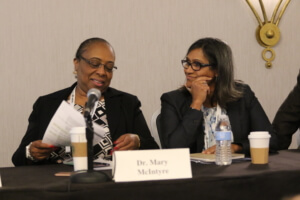
 For individuals living with complex, often chronic conditions, and their families, palliative care can provide relief from symptoms, improve satisfaction and outcomes, and help address critical mental and spiritual needs during difficult times. Now more than ever, there is growing recognition of the importance of palliative care services for individuals with serious illness, such as advance care planning, pain and symptom management, care coordination, and team-based, multi-disciplinary support. These services can help patients and families cope with the symptoms and stressors of disease, better anticipate and avoid crises, and reduce unnecessary and/or unwanted care. While this model is grounded in evidence that demonstrates improved quality of life, better outcomes, and reduced cost for patients, only a fraction of individuals who could benefit from palliative care receive it.
































































